Institute for Molecular Cell Biology, School of Medicine, Saarland University Homburg/Saar, Germany.
Front Pharmacol. 2011 Jul 28;2:42. doi: 10.3389/fphar.2011.00042. eCollection 2011.
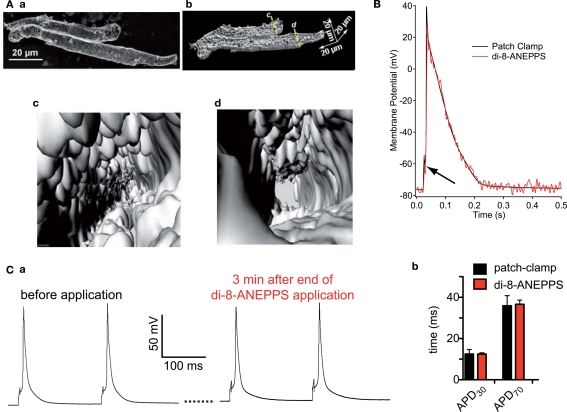
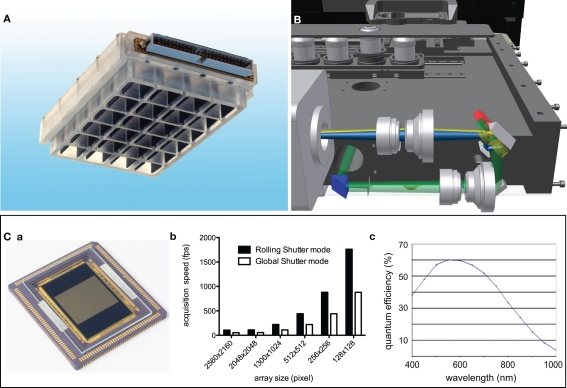
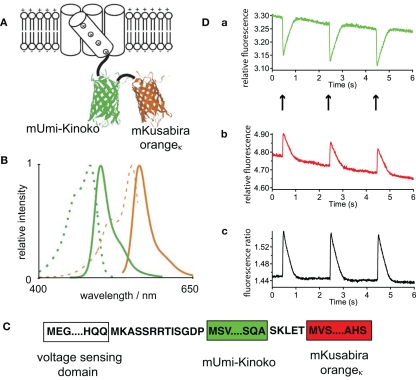
Action potentials reflect the concerted activity of all electrogenic constituents in the plasma membrane during the excitation of a cell. Therefore, the action potential is an integrated read out and a promising parameter to detect electrophysiological failures or modifications thereof in diagnosis as well as in drug screens. Cellular action potentials can be recorded by optical approaches. To fulfill the pre-requirements to scale up for, e.g., pharmacological screens the following preparatory work has to be provided: (i) model cells under investigation need to represent target cells in the best possible manner; (ii) optical sensors that can be either small molecule dyes or genetically encoded potential probes need to provide a reliable read out with minimal interaction with the naive behavior of the cells and (iii) devices need to be capable to stimulate the cells, read out the signals with the appropriate speed as well as provide the capacity for a sufficient throughput. Here we discuss several scenarios for all three categories in the field of cardiac physiology and pharmacology and provide a perspective to use the power of light in screening cardiac action potentials.
动作电位反映了细胞兴奋过程中质膜所有电致成分的协同活动。因此,动作电位是一种综合的读出,是一种有前途的参数,可以在诊断和药物筛选中检测电生理故障或其改变。可以通过光学方法记录细胞动作电位。为了满足例如药理学筛选的扩展的前提条件,需要提供以下预备工作:(i)研究中的模型细胞需要以最佳方式代表靶细胞;(ii)光学传感器可以是小分子染料或遗传编码的电位探针,需要提供最小化与细胞原始行为相互作用的可靠读出;(iii)设备需要能够刺激细胞,以适当的速度读取信号,并提供足够的通量。在这里,我们讨论了心脏生理学和药理学领域中这三个类别的几种情况,并提供了一种利用光的力量筛选心脏动作电位的视角。