Kartachova M S, Verheij M, van Eck B L, Hoefnagel C A, Olmos R A Valdes
Department of Nuclear Medicine, The Netherlands Cancer Institute/Antoni van Leeuwenhoek Hospital, Amsterdam, The Netherlands.
Clin Med Oncol. 2008;2:319-25. doi: 10.4137/cmo.s349. Epub 2008 Mar 25.
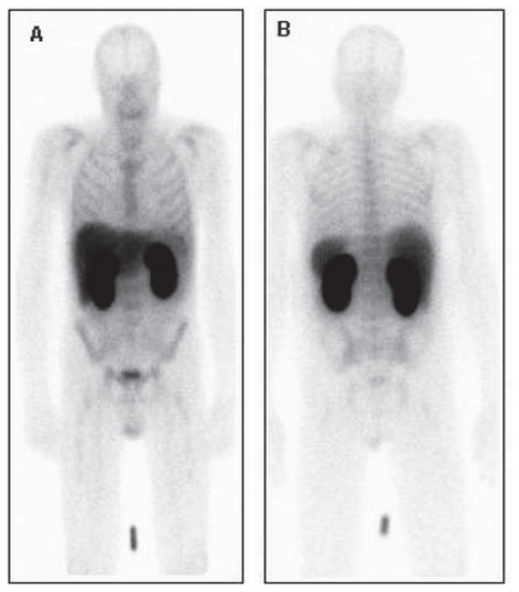
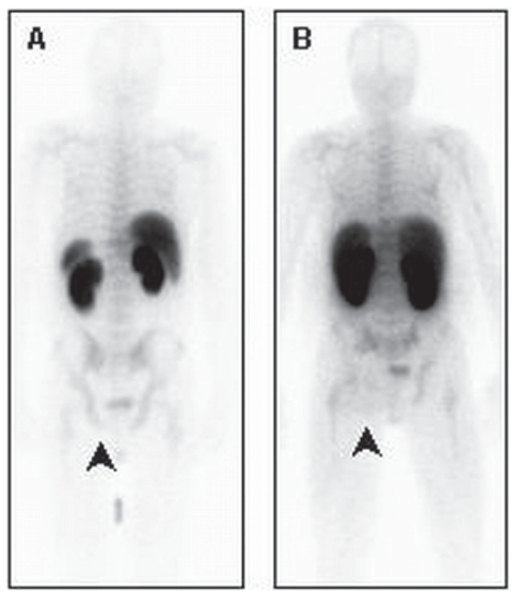
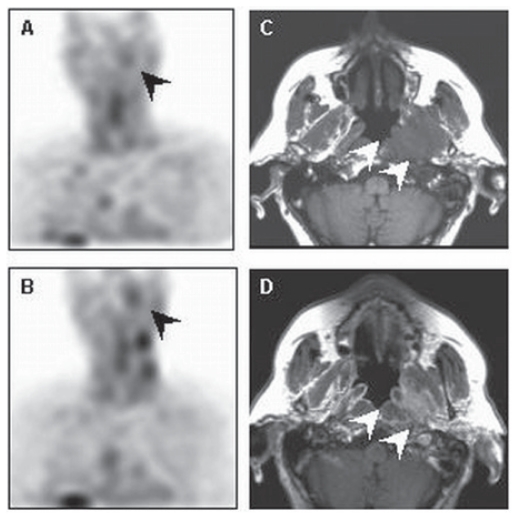
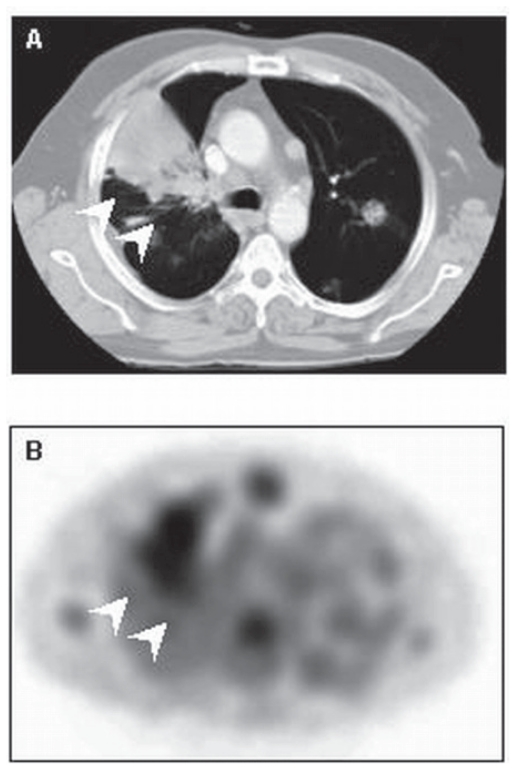
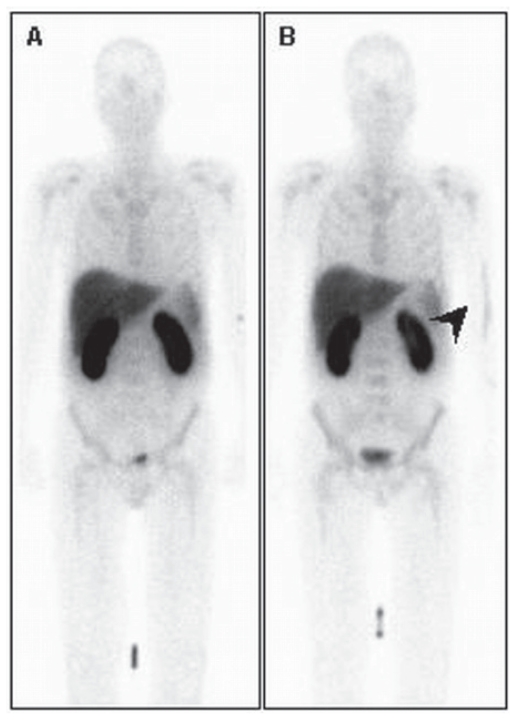
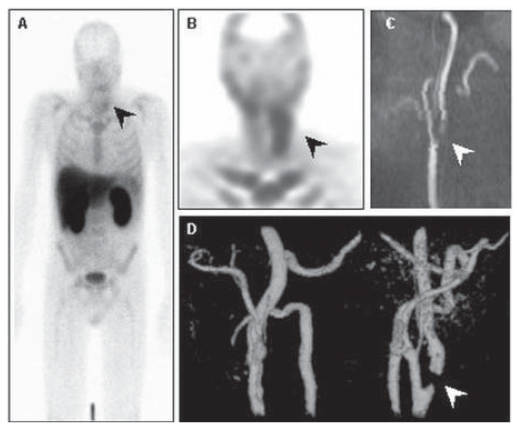
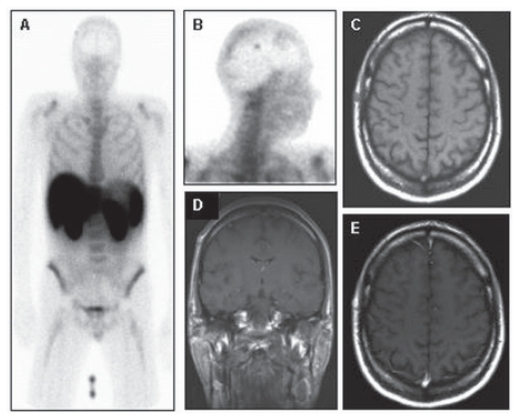
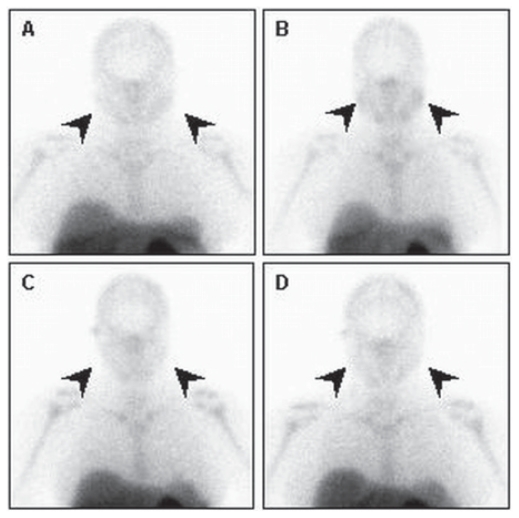
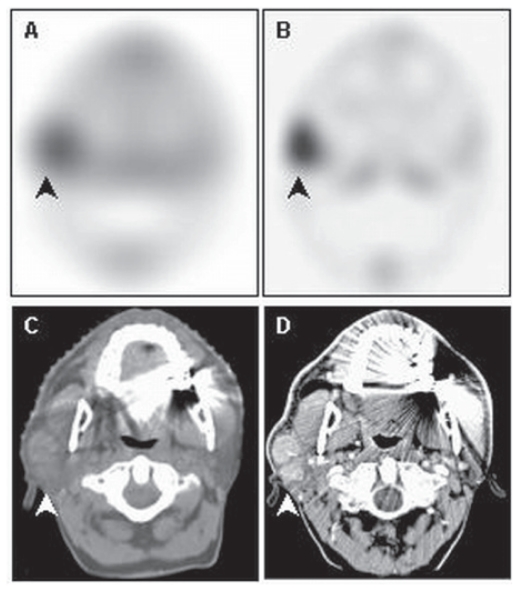
Radionuclide detection of apoptosis with of (99m)Tc-Hynic-rh-Annexin V scintigraphy is an effective tool for in vivo visualisation and monitoring of apoptosis in various malignant tumour. Early therapy-induced increase of the tumour tracer uptake correlates with favourable outcome, whereas stable or decreased uptake correlates with stable disease or tumour progression. Therefore sequential (99m)Tc-Hynic-rh-Annexin V scintigraphy could be used to predict therapy outcome on a patient-to-patient basis within 48 hours after the start of treatment. However, moderate tumour-to-background ratio and therapy-induced changes in normal tissues could confound image analysis. To assure accurate interpretation of Annexin V scans, the awareness of the biophysiological and biochemical properties contributing to the tracer distribution is essential. In with manuscript we discuss the patterns of Annexin V tumour uptake and illustrate the most frequent pitfalls associated with Annexin V imaging in correlation with CT and MRI imaging.
用(99m)Tc-Hynic-rh-膜联蛋白V闪烁显像进行放射性核素凋亡检测是体内可视化和监测各种恶性肿瘤细胞凋亡的有效工具。早期治疗引起的肿瘤示踪剂摄取增加与良好预后相关,而摄取稳定或降低则与疾病稳定或肿瘤进展相关。因此,序贯(99m)Tc-Hynic-rh-膜联蛋白V闪烁显像可用于在治疗开始后48小时内对患者个体的治疗结果进行预测。然而,中等的肿瘤与背景比值以及治疗引起的正常组织变化可能会混淆图像分析。为确保对膜联蛋白V扫描结果的准确解读,了解有助于示踪剂分布的生物物理和生化特性至关重要。在本手稿中,我们讨论了膜联蛋白V在肿瘤中的摄取模式,并说明了与CT和MRI成像相关的膜联蛋白V成像最常见的陷阱。