Centre for Environmental Stress and Adaptation Research, School of Biological Sciences, Monash University, Clayton, Victoria, Australia.
PLoS One. 2011;6(9):e24047. doi: 10.1371/journal.pone.0024047. Epub 2011 Sep 14.
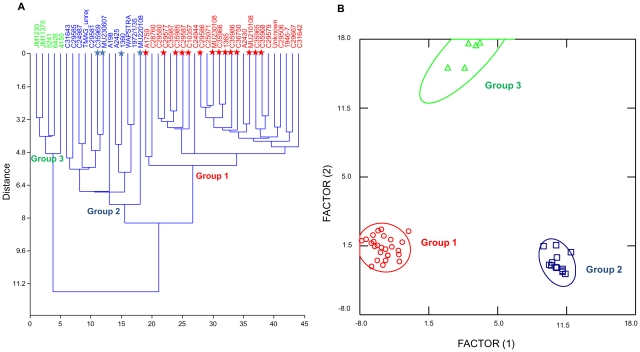
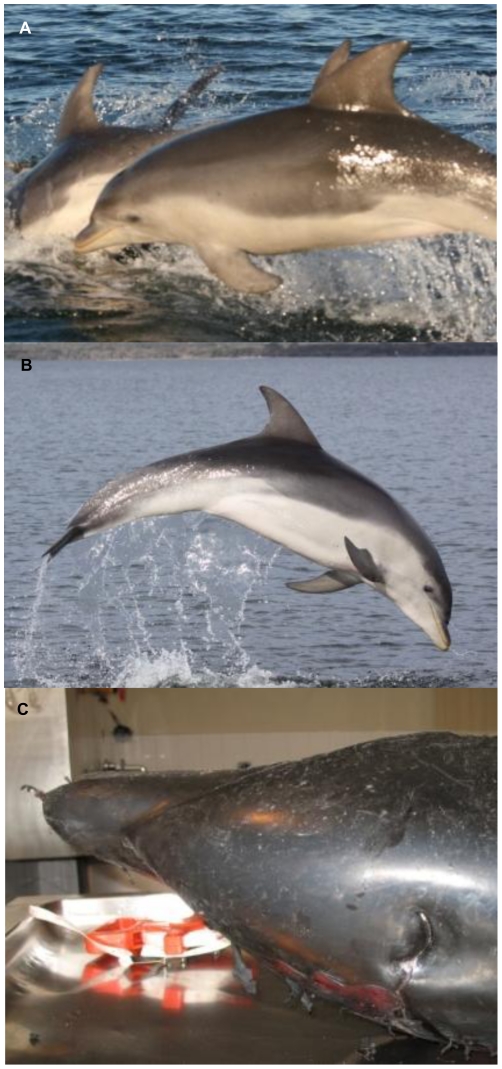
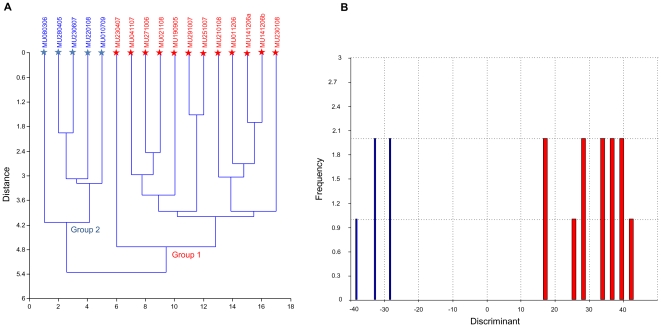
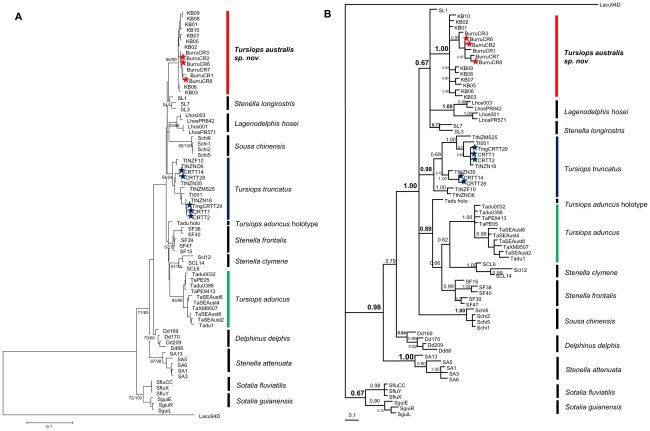
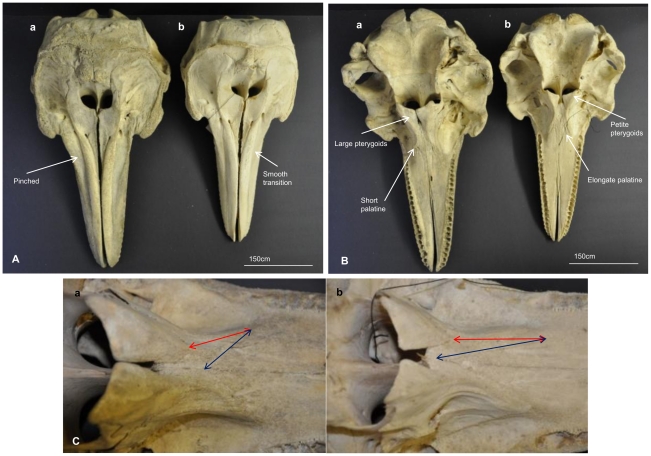
Small coastal dolphins endemic to south-eastern Australia have variously been assigned to described species Tursiops truncatus, T. aduncus or T. maugeanus; however the specific affinities of these animals is controversial and have recently been questioned. Historically 'the southern Australian Tursiops' was identified as unique and was formally named Tursiops maugeanus but was later synonymised with T. truncatus. Morphologically, these coastal dolphins share some characters with both aforementioned recognised Tursiops species, but they also possess unique characters not found in either. Recent mtDNA and microsatellite genetic evidence indicates deep evolutionary divergence between this dolphin and the two currently recognised Tursiops species. However, in accordance with the recommendations of the Workshop on Cetacean Systematics, and the Unified Species Concept the use of molecular evidence alone is inadequate for describing new species. Here we describe the macro-morphological, colouration and cranial characters of these animals, assess the available and new genetic data, and conclude that multiple lines of evidence clearly indicate a new species of dolphin. We demonstrate that the syntype material of T. maugeanus comprises two different species, one of which is the historical 'southern form of Tursiops' most similar to T. truncatus, and the other is representative of the new species and requires formal classification. These dolphins are here described as Tursiops australis sp. nov., with the common name of 'Burrunan Dolphin' following Australian aboriginal narrative. The recognition of T. australis sp. nov. is particularly significant given the endemism of this new species to a small geographic region of southern and south-eastern Australia, where only two small resident populations in close proximity to a major urban and agricultural centre are known, giving them a high conservation value and making them susceptible to numerous anthropogenic threats.
澳大利亚东南部的小沿海海豚曾被归入已描述的宽吻海豚(Tursiops truncatus)、短吻海豚(T. aduncus)或虎鲸(T. maugeanus)物种;然而,这些动物的具体亲缘关系存在争议,最近也受到了质疑。历史上,“南澳大利亚宽吻海豚”被认定为独特的物种,并正式命名为虎鲸,但后来被归入宽吻海豚。从形态上看,这些沿海海豚与上述两种已被认可的宽吻海豚物种有一些共同特征,但也有一些独特的特征,这两种已被认可的宽吻海豚都没有。最近的 mtDNA 和微卫星遗传证据表明,这种海豚与目前公认的两种宽吻海豚物种之间存在着深刻的进化分歧。然而,根据鲸类系统学研讨会和统一物种概念的建议,仅使用分子证据不足以描述新物种。在这里,我们描述了这些动物的宏观形态、颜色和头骨特征,评估了现有和新的遗传数据,并得出结论,多种证据清楚地表明存在一种新的海豚物种。我们证明,虎鲸的模式标本由两个不同的物种组成,其中一个与历史上的“南部宽吻海豚”最相似,与宽吻海豚更为接近,另一个则代表了新物种,需要正式分类。这些海豚被描述为新种宽吻海豚(Tursiops australis sp. nov.),根据澳大利亚原住民的叙述,其通用名称为“伯努恩海豚”。鉴于这种新物种仅分布在澳大利亚南部和东南部的一个小地理区域,并且只在靠近一个主要城市和农业中心的两个小常驻种群中被发现,因此识别新种宽吻海豚具有特别重要的意义,这使它们具有很高的保护价值,并使它们容易受到许多人为威胁的影响。