Cancer Center, K-701, Boston University School of Medicine, 72 East Concord Street, Boston, Massachusetts 02118, USA.
Endocr Relat Cancer. 2011 Dec 1;18(6):759-71. doi: 10.1530/ERC-10-0224. Print 2011 Dec.
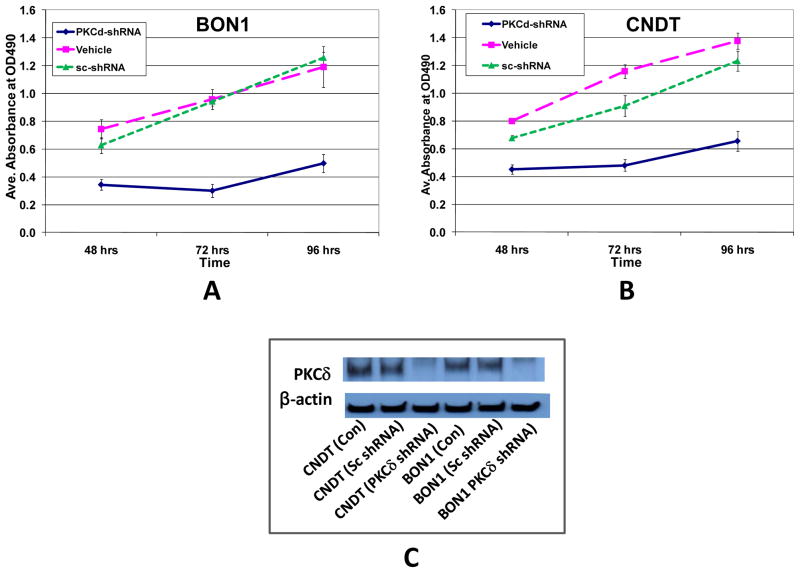
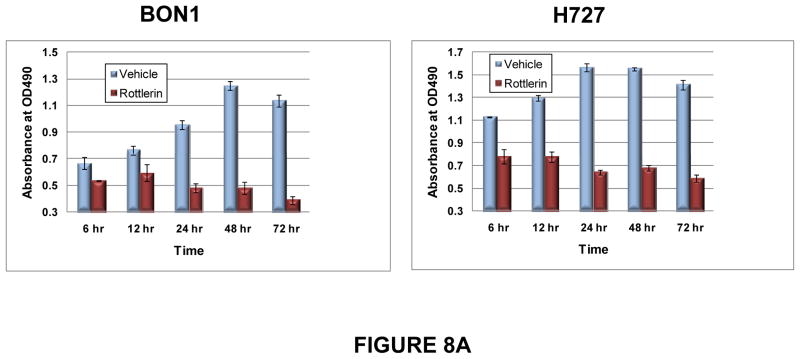
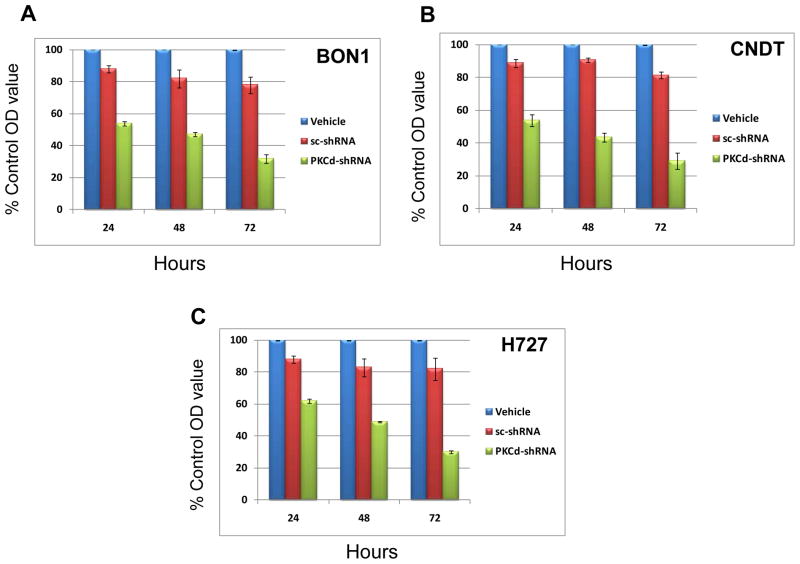
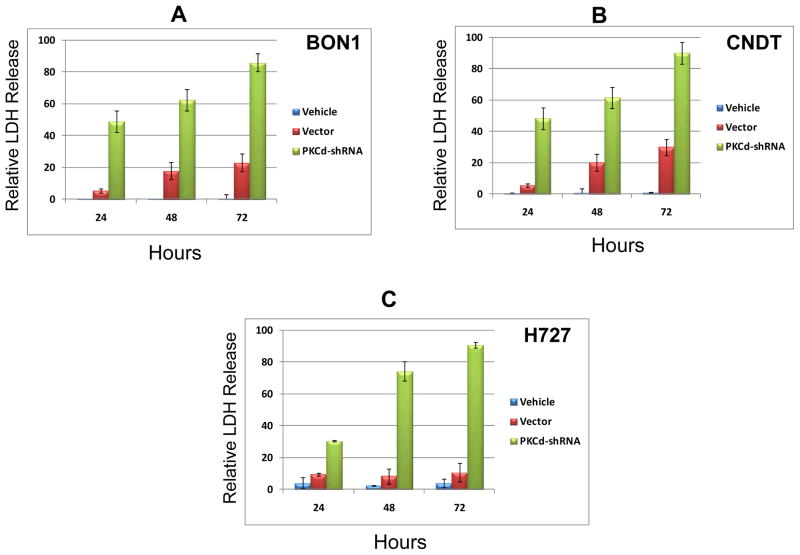
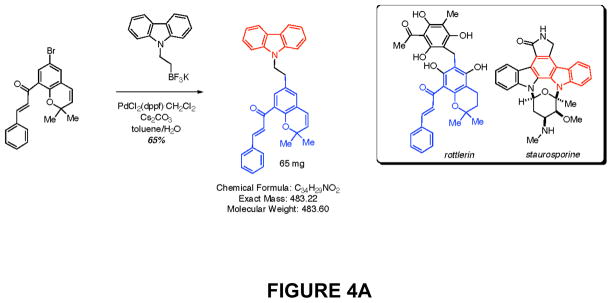
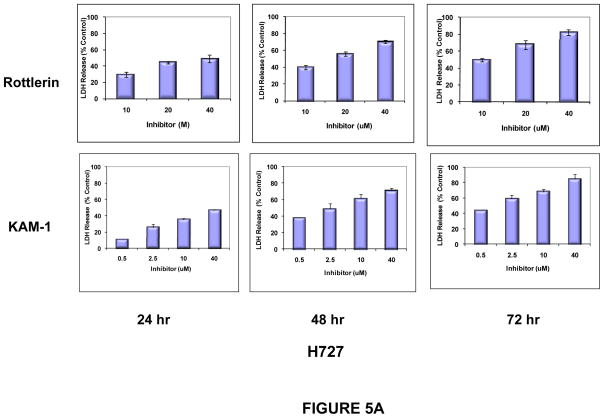
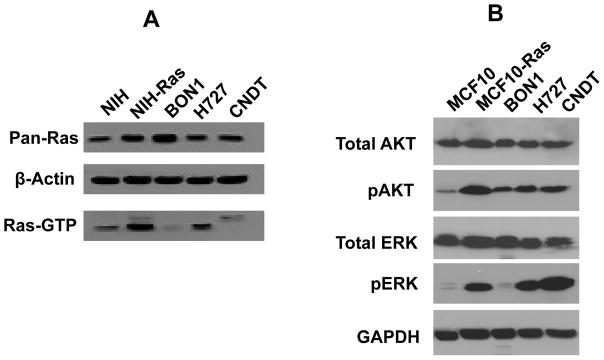
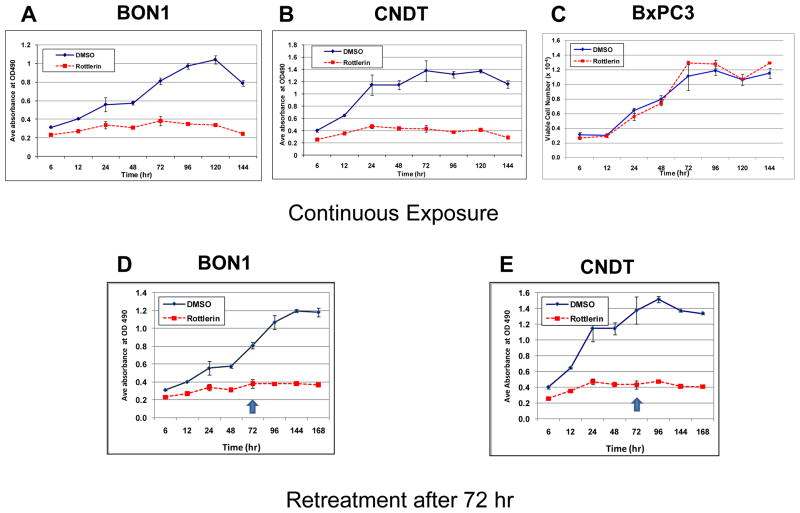
The concept of targeting cancer therapeutics toward specific mutations or abnormalities in tumor cells, which are not found in normal tissues, has the potential advantages of high selectivity for the tumor and correspondingly low secondary toxicities. Many human malignancies display activating mutations in the Ras family of signal-transducing genes or over-activity of p21(Ras)-signaling pathways. Carcinoid and other neuroendocrine tumors have been similarly demonstrated to have activation of Ras signaling directly by mutations in Ras, indirectly by loss of Ras-regulatory proteins, or via constitutive activation of upstream or downstream effector pathways of Ras, such as growth factor receptors or PI(3)-kinase and Raf/mitogen-activated protein kinases. We previously reported that aberrant activation of Ras signaling sensitizes cells to apoptosis when the activity of the PKCδ isozyme is suppressed and that PKCδ suppression is not toxic to cells with normal levels of p21(Ras) signaling. We demonstrate here that inhibition of PKCδ by a number of independent means, including genetic mechanisms (shRNA) or small-molecule inhibitors, is able to efficiently and selectively repress the growth of human neuroendocrine cell lines derived from bronchopulmonary, foregut, or hindgut tumors. PKCδ inhibition in these tumors also efficiently induced apoptosis. Exposure to small-molecule inhibitors of PKCδ over a period of 24 h is sufficient to significantly suppress cell growth and clonogenic capacity of these tumor cell lines. Neuroendocrine tumors are typically refractory to conventional therapeutic approaches. This Ras-targeted therapeutic approach, mediated through PKCδ suppression, which selectively takes advantage of the very oncogenic mutations that contribute to the malignancy of the tumor, may hold potential as a novel therapeutic modality.
将癌症疗法靶向肿瘤细胞中特定的突变或异常,这些突变或异常在正常组织中不存在,具有高度选择性针对肿瘤和相应低副作用的潜在优势。许多人类恶性肿瘤显示信号转导基因 Ras 家族中的激活突变或 p21(Ras)信号通路的过度活性。类癌和其他神经内分泌肿瘤也被证明具有 Ras 信号的直接激活,通过 Ras 突变,间接通过 Ras 调节蛋白的缺失,或通过 Ras 的上游或下游效应途径的组成性激活,如生长因子受体或 PI(3)-激酶和 Raf/丝裂原激活蛋白激酶。我们之前报道过,PKCδ 同工酶活性抑制时,Ras 信号的异常激活使细胞对细胞凋亡敏感,而 PKCδ 抑制对 p21(Ras)信号正常水平的细胞没有毒性。我们在这里证明,通过多种独立的方法抑制 PKCδ,包括遗传机制(shRNA)或小分子抑制剂,能够有效地和选择性地抑制源自支气管肺、前肠或后肠肿瘤的人神经内分泌细胞系的生长。在这些肿瘤中抑制 PKCδ 也能有效地诱导细胞凋亡。暴露于 PKCδ 的小分子抑制剂 24 小时足以显著抑制这些肿瘤细胞系的细胞生长和集落形成能力。神经内分泌肿瘤通常对传统的治疗方法有抗性。这种 Ras 靶向治疗方法通过 PKCδ 抑制介导,选择性地利用导致肿瘤恶性的非常致癌突变,可能作为一种新的治疗方式具有潜力。