Institut de Ciències del Mar-CSIC, Barcelona, Catalonia, Spain.
PLoS One. 2011;6(11):e27103. doi: 10.1371/journal.pone.0027103. Epub 2011 Nov 2.
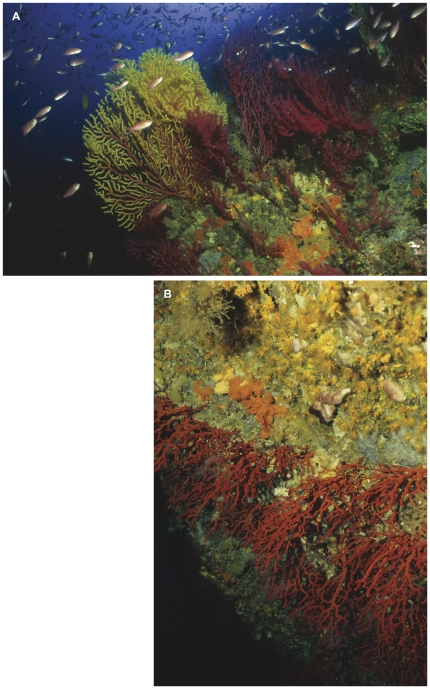
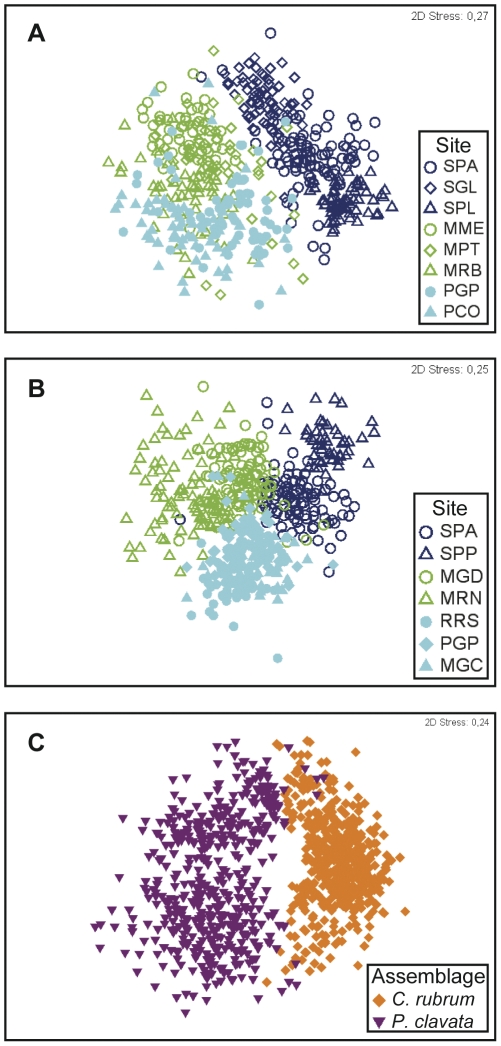
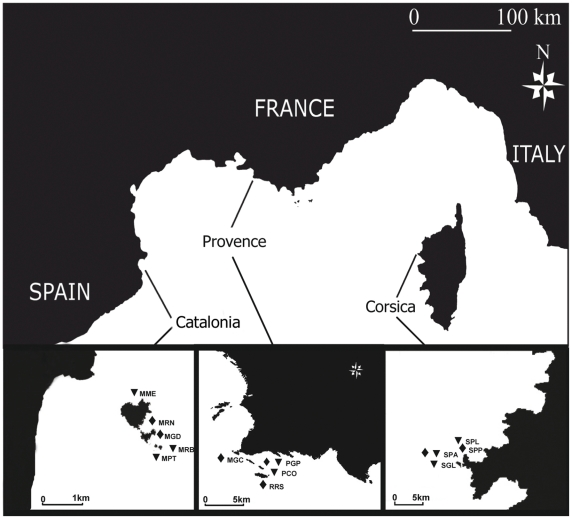
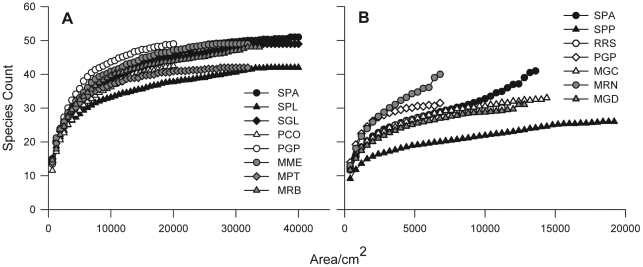
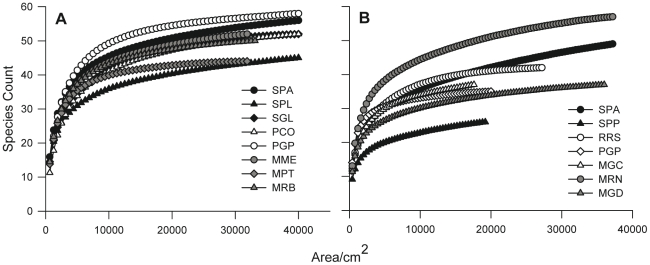
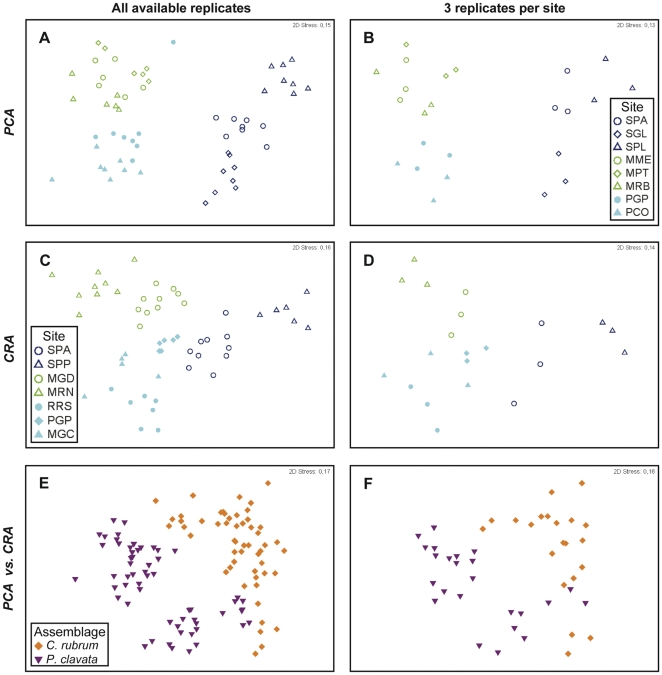
Increasing anthropogenic pressures urge enhanced knowledge and understanding of the current state of marine biodiversity. This baseline information is pivotal to explore present trends, detect future modifications and propose adequate management actions for marine ecosystems. Coralligenous outcrops are a highly diverse and structurally complex deep-water habitat faced with major threats in the Mediterranean Sea. Despite its ecological, aesthetic and economic value, coralligenous biodiversity patterns are still poorly understood. There is currently no single sampling method that has been demonstrated to be sufficiently representative to ensure adequate community assessment and monitoring in this habitat. Therefore, we propose a rapid non-destructive protocol for biodiversity assessment and monitoring of coralligenous outcrops providing good estimates of its structure and species composition, based on photographic sampling and the determination of presence/absence of macrobenthic species. We used an extensive photographic survey, covering several spatial scales (100s of m to 100s of km) within the NW Mediterranean and including 2 different coralligenous assemblages: Paramuricea clavata (PCA) and Corallium rubrum assemblage (CRA). This approach allowed us to determine the minimal sampling area for each assemblage (5000 cm(2) for PCA and 2500 cm(2) for CRA). In addition, we conclude that 3 replicates provide an optimal sampling effort in order to maximize the species number and to assess the main biodiversity patterns of studied assemblages in variability studies requiring replicates. We contend that the proposed sampling approach provides a valuable tool for management and conservation planning, monitoring and research programs focused on coralligenous outcrops, potentially also applicable in other benthic ecosystems.
人为压力的增加促使人们增强对海洋生物多样性现状的认识和理解。这些基线信息对于探索当前趋势、发现未来变化以及为海洋生态系统提出适当的管理措施至关重要。珊瑚礁露头是一种高度多样化和结构复杂的深海生境,在地中海面临着重大威胁。尽管珊瑚礁具有生态、美学和经济价值,但珊瑚礁生物多样性模式仍未得到充分了解。目前还没有一种单一的采样方法被证明足以代表该生境,以确保对其进行充分的群落评估和监测。因此,我们提出了一种快速的非破坏性生物多样性评估和监测珊瑚礁露头的方法,该方法基于摄影采样和确定大型底栖物种的存在/不存在,提供了对其结构和物种组成的良好估计。我们使用了广泛的摄影调查,涵盖了西北地中海的几个空间尺度(数百米到数百公里),并包括两种不同的珊瑚礁组合:Paramuricea clavata(PCA)和 Corallium rubrum 组合(CRA)。这种方法使我们能够确定每个组合的最小采样面积(PCA 为 5000 cm²,CRA 为 2500 cm²)。此外,我们得出结论,3 个重复提供了最佳的采样工作量,以最大限度地增加物种数量,并在需要重复的变异性研究中评估研究组合的主要生物多样性模式。我们认为,所提出的采样方法为管理和保护规划、监测和研究计划提供了有价值的工具,这些计划侧重于珊瑚礁露头,也可能适用于其他底栖生态系统。