Department of Medicinal Chemistry and Pharmacognosy, College of Pharmacy, University of Illinois at Chicago, Illinois, USA.
PLoS One. 2011;6(11):e27876. doi: 10.1371/journal.pone.0027876. Epub 2011 Nov 29.
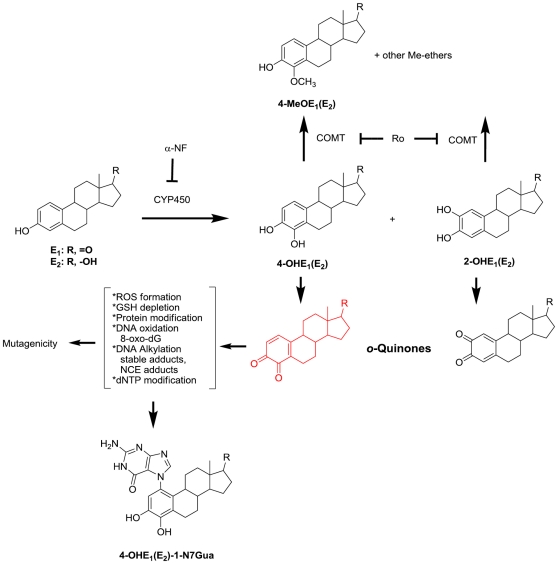
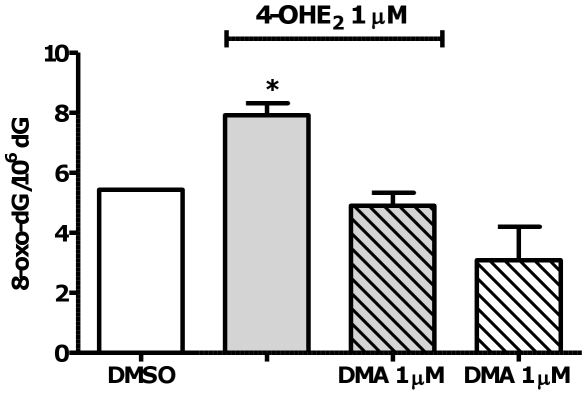
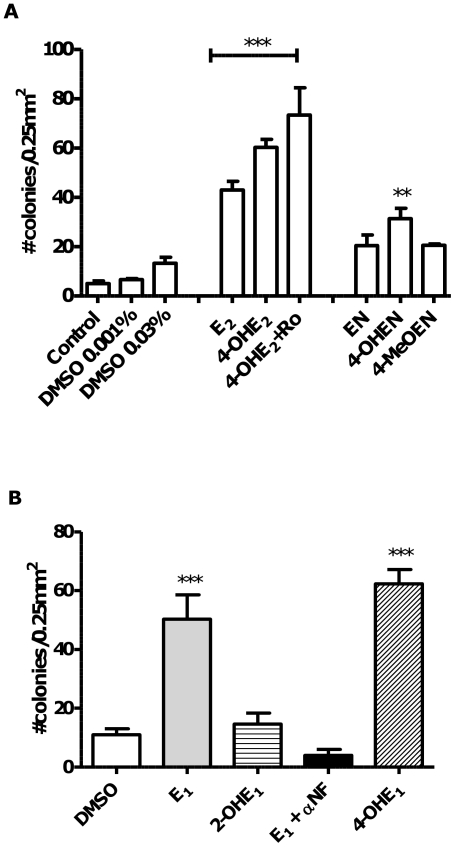
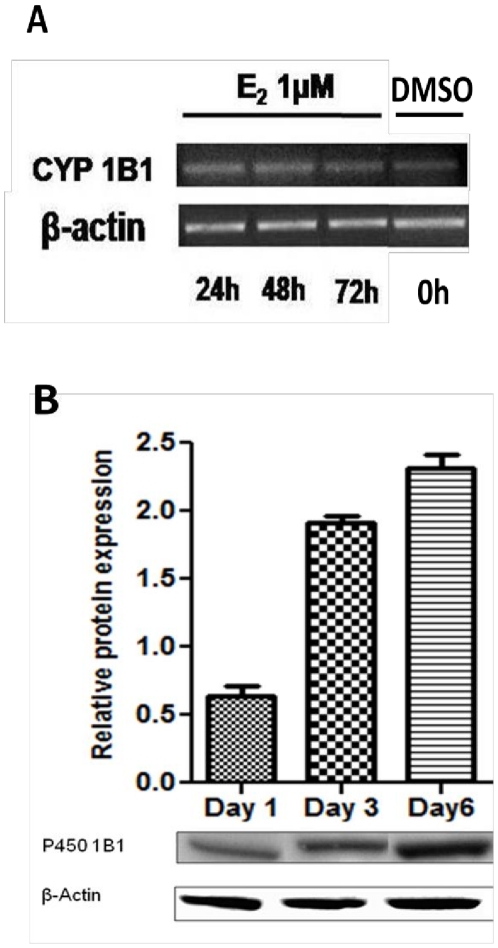
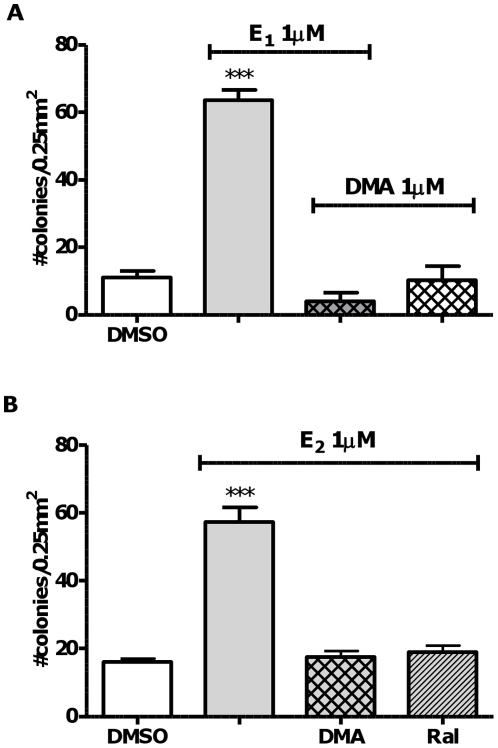
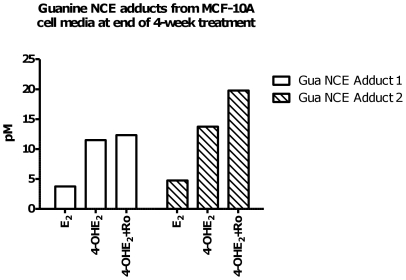
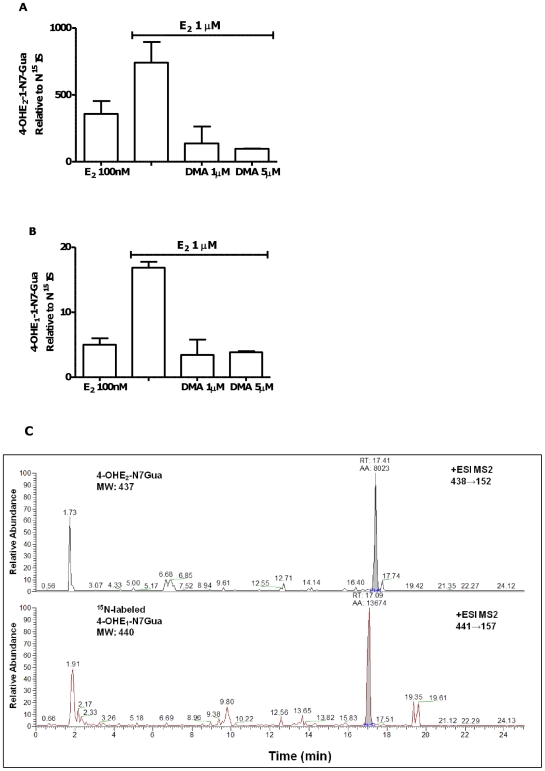
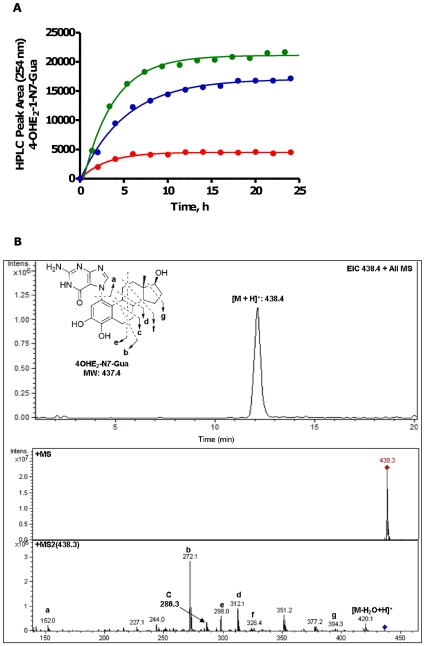
There is association between exposure to estrogens and the development and progression of hormone-dependent gynecological cancers. Chemical carcinogenesis by catechol estrogens derived from oxidative metabolism is thought to contribute to breast cancer, yet exact mechanisms remain elusive. Malignant transformation was studied in MCF-10A human mammary epithelial cells, since estrogens are not proliferative in this cell line. The human and equine estrogen components of estrogen replacement therapy (ERT) and their catechol metabolites were studied, along with the influence of co-administration of selective estrogen receptor modulators (SERMs), raloxifene and desmethyl-arzoxifene (DMA), and histone deacetylase inhibitors. Transformation was induced by human estrogens, and selectively by the 4-OH catechol metabolite, and to a lesser extent by an equine estrogen metabolite. The observed estrogen-induced upregulation of CYP450 1B1 in estrogen receptor negative MCF-10A cells, was compatible with a causal role for 4-OH catechol estrogens, as was attenuated transformation by CYP450 inhibitors. Estrogen-induced malignant transformation was blocked by SERMs correlating with a reduction in formation of nucleobase catechol estrogen (NCE) adducts and formation of 8-oxo-dG. NCE adducts can be formed consequent to DNA abasic site formation, but NCE adducts were also observed on incubation of estrogen quinones with free nucleotides. These results suggest that NCE adducts may be a biomarker for cellular electrophilic stress, which together with 8-oxo-dG as a biomarker of oxidative stress correlate with malignant transformation induced by estrogen oxidative metabolites. The observed attenuation of transformation by SERMs correlated with these biomarkers and may also be of clinical significance in breast cancer chemoprevention.
暴露于雌激素与激素依赖性妇科癌症的发生和进展有关。来自氧化代谢的儿茶酚雌激素的化学致癌作用被认为与乳腺癌有关,但确切的机制仍不清楚。由于雌激素在 MCF-10A 人乳腺上皮细胞中没有增殖作用,因此研究了恶性转化。研究了雌激素替代疗法(ERT)的人和马雌激素成分及其儿茶酚代谢物,以及同时给予选择性雌激素受体调节剂(SERM)、雷洛昔芬和去甲基-阿佐昔芬(DMA)以及组蛋白去乙酰化酶抑制剂的影响。转化是由人雌激素诱导的,并且选择性地由 4-OH 儿茶酚代谢物诱导,并且在较小程度上由马雌激素代谢物诱导。在雌激素受体阴性 MCF-10A 细胞中观察到的雌激素诱导的 CYP450 1B1 上调与 4-OH 儿茶酚雌激素的因果作用一致,CYP450 抑制剂减弱转化也是如此。雌激素诱导的恶性转化被 SERM 阻断,这与核碱基儿茶酚雌激素(NCE)加合物形成和 8-oxo-dG 形成减少相关。NCE 加合物可以由于 DNA 无碱基位点形成而形成,但是也可以在将雌激素醌与游离核苷酸孵育时观察到 NCE 加合物。这些结果表明,NCE 加合物可能是细胞亲电性应激的生物标志物,与雌激素氧化代谢物诱导的恶性转化相关的 8-oxo-dG 作为氧化应激的生物标志物一起。观察到的 SERM 对转化的抑制作用与这些生物标志物相关,并且在乳腺癌化学预防中也可能具有临床意义。