Department of Experimental Pharmacology, University of Naples FEDERICO II, Naples, Italy.
PLoS One. 2011;6(12):e28159. doi: 10.1371/journal.pone.0028159. Epub 2011 Dec 6.
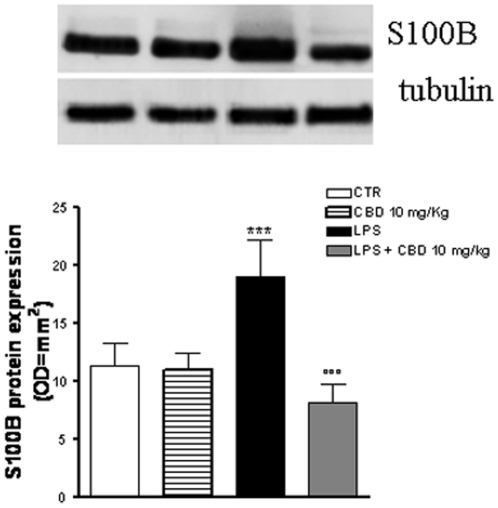
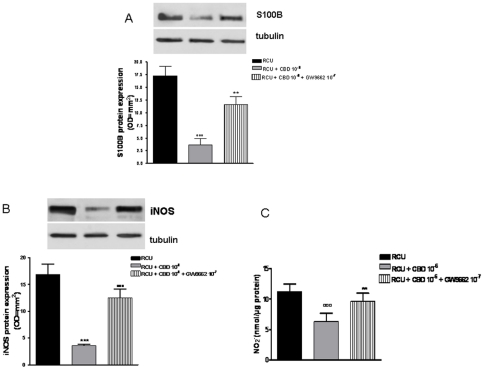
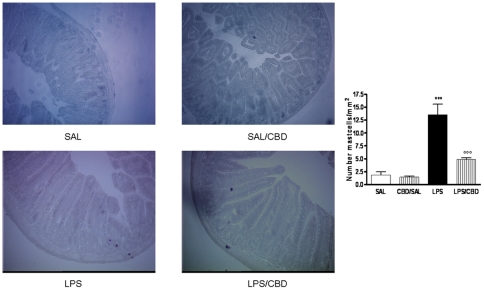
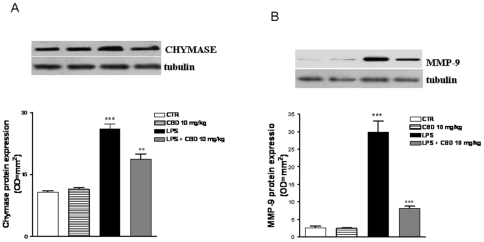
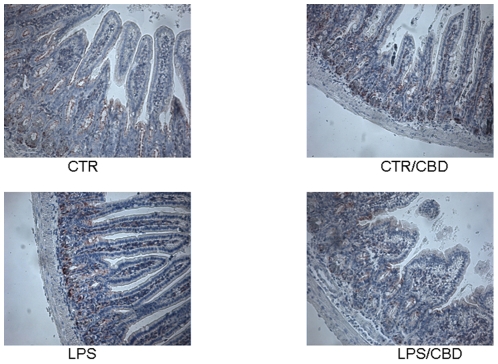
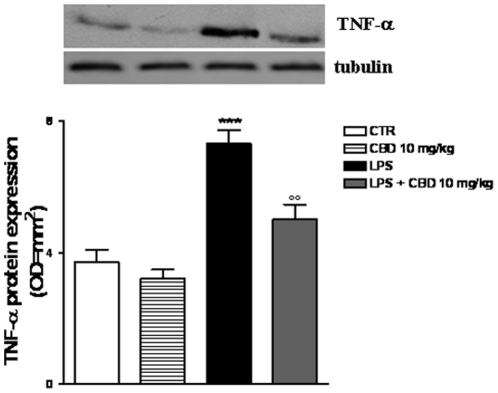
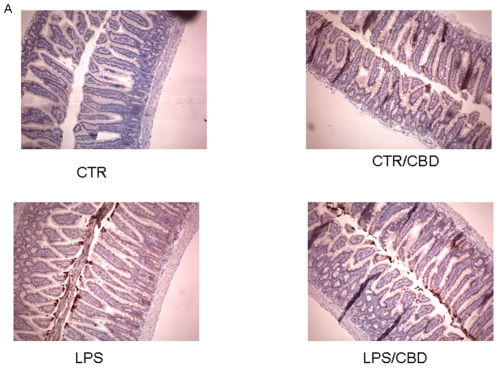
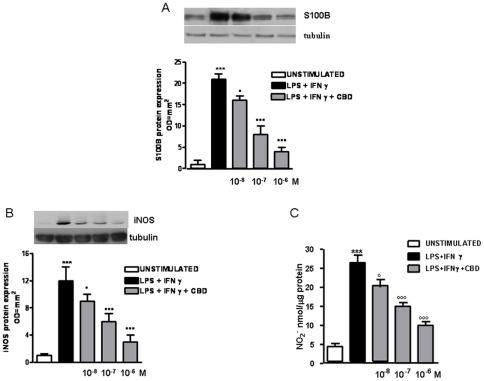
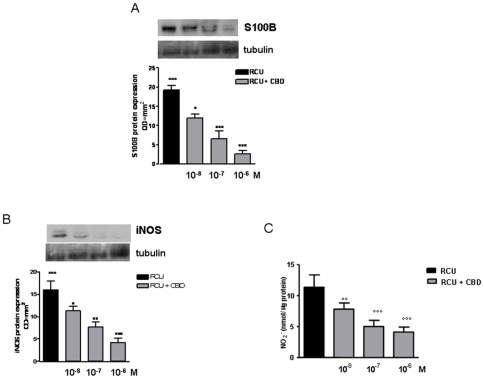
Enteric glial cells (EGC) actively mediate acute and chronic inflammation in the gut; EGC proliferate and release neurotrophins, growth factors, and pro-inflammatory cytokines which, in turn, may amplify the immune response, representing a very important link between the nervous and immune systems in the intestine. Cannabidiol (CBD) is an interesting compound because of its ability to control reactive gliosis in the CNS, without any unwanted psychotropic effects. Therefore the rationale of our study was to investigate the effect of CBD on intestinal biopsies from patients with ulcerative colitis (UC) and from intestinal segments of mice with LPS-induced intestinal inflammation. CBD markedly counteracted reactive enteric gliosis in LPS-mice trough the massive reduction of astroglial signalling neurotrophin S100B. Histological, biochemical and immunohistochemical data demonstrated that S100B decrease was associated with a considerable decrease in mast cell and macrophages in the intestine of LPS-treated mice after CBD treatment. Moreover the treatment of LPS-mice with CBD reduced TNF-α expression and the presence of cleaved caspase-3. Similar results were obtained in ex vivo cultured human derived colonic biopsies. In biopsies of UC patients, both during active inflammation and in remission stimulated with LPS+INF-γ, an increased glial cell activation and intestinal damage were evidenced. CBD reduced the expression of S100B and iNOS proteins in the human biopsies confirming its well documented effect in septic mice. The activity of CBD is, at least partly, mediated via the selective PPAR-gamma receptor pathway. CBD targets enteric reactive gliosis, counteracts the inflammatory environment induced by LPS in mice and in human colonic cultures derived from UC patients. These actions lead to a reduction of intestinal damage mediated by PPARgamma receptor pathway. Our results therefore indicate that CBD indeed unravels a new therapeutic strategy to treat inflammatory bowel diseases.
肠胶质细胞(EGC)在肠道中积极介导急性和慢性炎症;EGC 增殖并释放神经营养因子、生长因子和促炎细胞因子,进而可能放大免疫反应,代表着肠道中神经系统和免疫系统之间非常重要的联系。大麻二酚(CBD)是一种有趣的化合物,因为它能够控制中枢神经系统中的反应性神经胶质增生,而没有任何不良的精神作用。因此,我们研究的原理是研究 CBD 对溃疡性结肠炎(UC)患者的肠道活检和 LPS 诱导的肠道炎症小鼠肠道段的影响。CBD 通过大量减少星形胶质细胞信号 S100B,显著抑制 LPS 小鼠的反应性肠胶质增生。组织学、生化和免疫组织化学数据表明,在 CBD 治疗后,LPS 处理的小鼠肠道中 S100B 减少与肥大细胞和巨噬细胞数量的显著减少相关。此外,CBD 治疗 LPS 小鼠可降低 TNF-α 表达和 cleaved caspase-3 的存在。在离体培养的人类结肠活检中也获得了类似的结果。在 UC 患者的活检中,无论是在 LPS+INF-γ 刺激的活动期炎症还是缓解期,都证明了胶质细胞激活和肠道损伤增加。CBD 降低了人类活检中 S100B 和 iNOS 蛋白的表达,证实了其在败血症小鼠中的良好作用。CBD 的活性至少部分是通过选择性的 PPAR-γ 受体途径介导的。CBD 靶向肠反应性胶质增生,在 LPS 诱导的小鼠和源自 UC 患者的人类结肠培养物中对抗炎症环境。这些作用导致 PPARγ 受体途径介导的肠道损伤减少。因此,我们的结果表明,CBD 确实为治疗炎症性肠病提供了一种新的治疗策略。