Department of Speach-Patology and Audiology, Bauru School of Dentistry, University of São Paulo, Bauru, SP, Brazil.
J Appl Oral Sci. 2011 Nov-Dec;19(6):679-84. doi: 10.1590/s1678-77572011000600023.
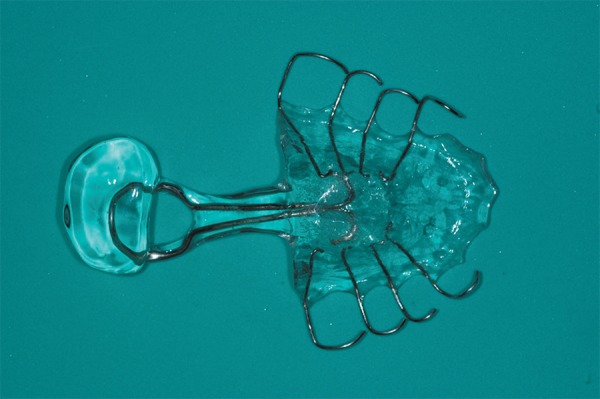
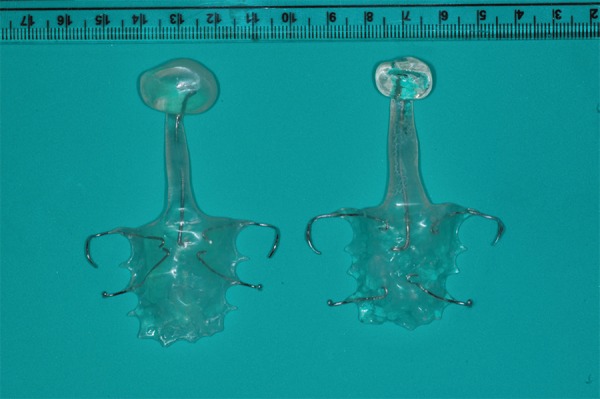
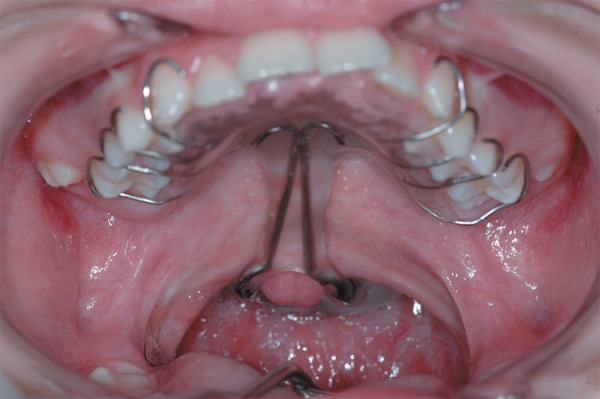
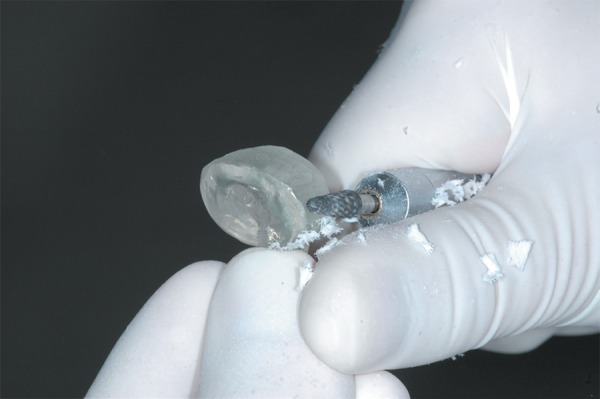
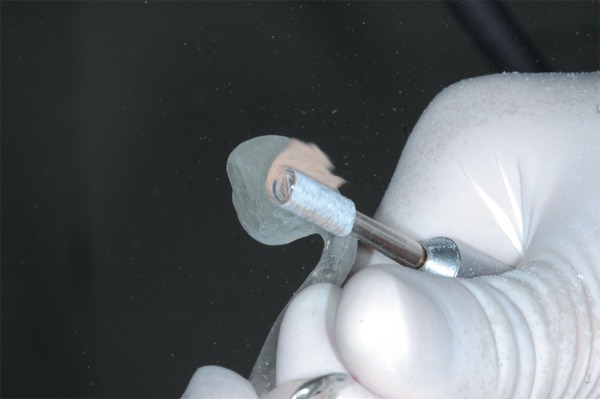
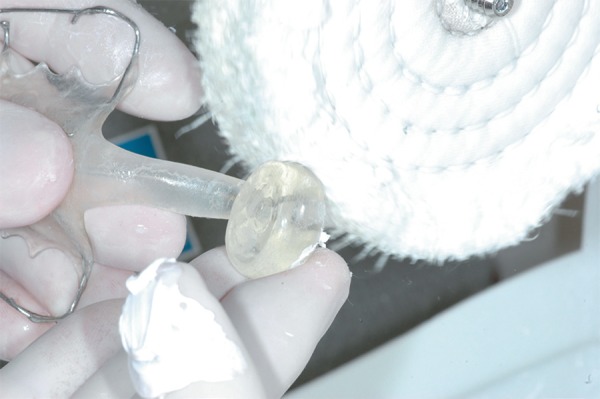
The objective of this study was to describe the process of intensive speech therapy for a 6-year-old child using compensatory articulations while presenting with velopharyngeal insufficiency (VPI) and a history of cleft lip and palate. The correction of VPI was temporarily done with a pharyngeal obturator since the child presented with very little movement of the pharyngeal walls during speech, compromising the outcome of a possible pharyngeal flap procedure (pharyngoplasty). The program of intensive speech therapy involved 3 phases, each for duration of 2 weeks incorporating 2 daily sessions of 50 minutes of therapy. A total of 60 sessions of intervention were done with the initial goal of eliminating the use of compensatory articulations. Evaluation before the program indicated the use of co-productions (coarticulations) of voiceless plosive and fricative sounds with glottal stops (simultaneous production of 2 places of productions), along with weak intraoral pressure and hypernasality, all compromising speech intelligibility. To address place of articulation, strategies to increase intraoral air pressure were used along with visual, auditory and tactile feedback, emphasizing the therapy target and the air pressure and airflow during plosive and fricative sound productions. After the first two phases of the program, oral place of articulation of the targets were achieved consistently. During the third phase, velopharyngeal closure during speech was systematically addressed using a bulb reduction program with the objective of achieving velopharyngeal closure during speech consistently. After the intensive speech therapy program involving the use of a pharyngeal obturator, we observed absence of hypernasality and compensatory articulation with improved speech intelligibility.
本研究旨在描述一位 6 岁儿童使用代偿性发音进行强化语音治疗的过程,该儿童患有腭咽闭合不全(VPI),并有唇腭裂病史。由于该儿童在言语时咽部壁运动非常少,可能会影响咽瓣手术(咽成形术)的效果,因此暂时使用咽部堵塞器来纠正 VPI。强化语音治疗方案包括 3 个阶段,每个阶段持续 2 周,每天进行 2 次,每次 50 分钟的治疗。共进行了 60 次干预,最初的目标是消除代偿性发音的使用。在治疗前的评估中,发现该儿童存在清音和摩擦音与声门塞音的协同发音(同时产生两个发音部位),以及口腔内压力弱和鼻音过高的现象,这些都影响了言语清晰度。为了解决发音部位的问题,我们使用了增加口腔内气压的策略,并结合视觉、听觉和触觉反馈,强调治疗目标以及在产生爆破音和摩擦音时的气压和气流。在完成前两个阶段的治疗后,目标音的口腔发音部位得到了持续的改善。在第三阶段,我们使用球囊缩小程序系统地解决了言语时的腭咽闭合问题,目的是实现持续的腭咽闭合。在使用咽部堵塞器进行强化语音治疗后,我们观察到该儿童的鼻音过高和代偿性发音消失,言语清晰度得到改善。