Callero Mariana A, Loaiza-Pérez Andrea I
Research Area, Institute of Oncology "Ángel H. Roffo", University of Buenos Aires, Avenue San Martín 5481, C1417DTB Ciudad de Buenos Aires, Argentina.
Int J Breast Cancer. 2011;2011:923250. doi: 10.4061/2011/923250. Epub 2011 Sep 22.
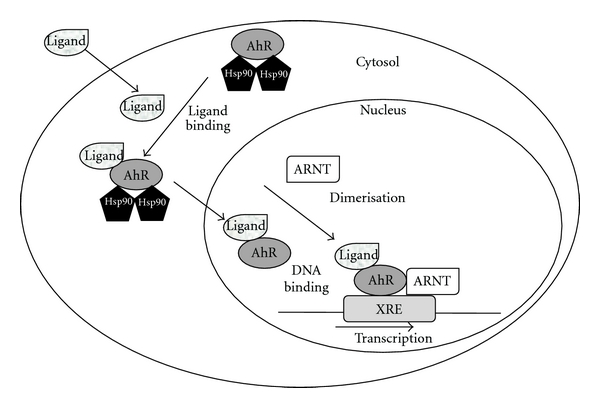
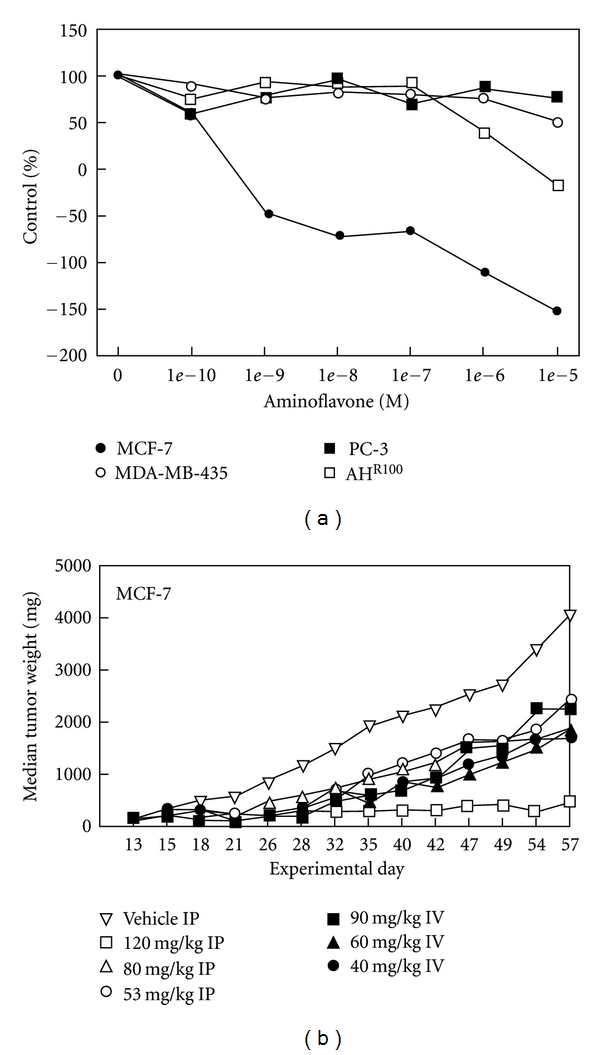
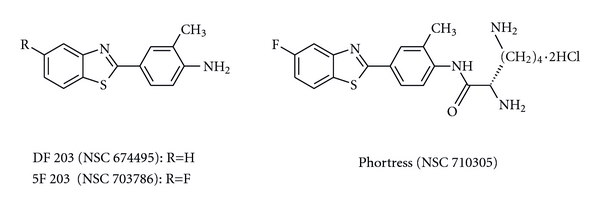
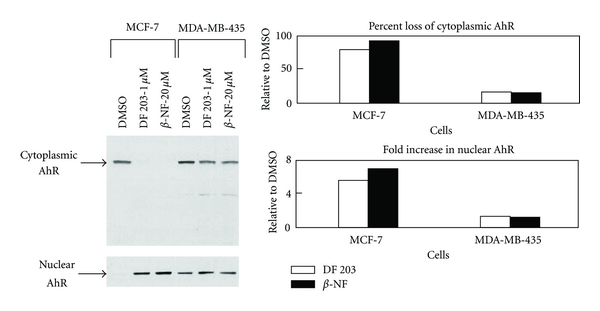
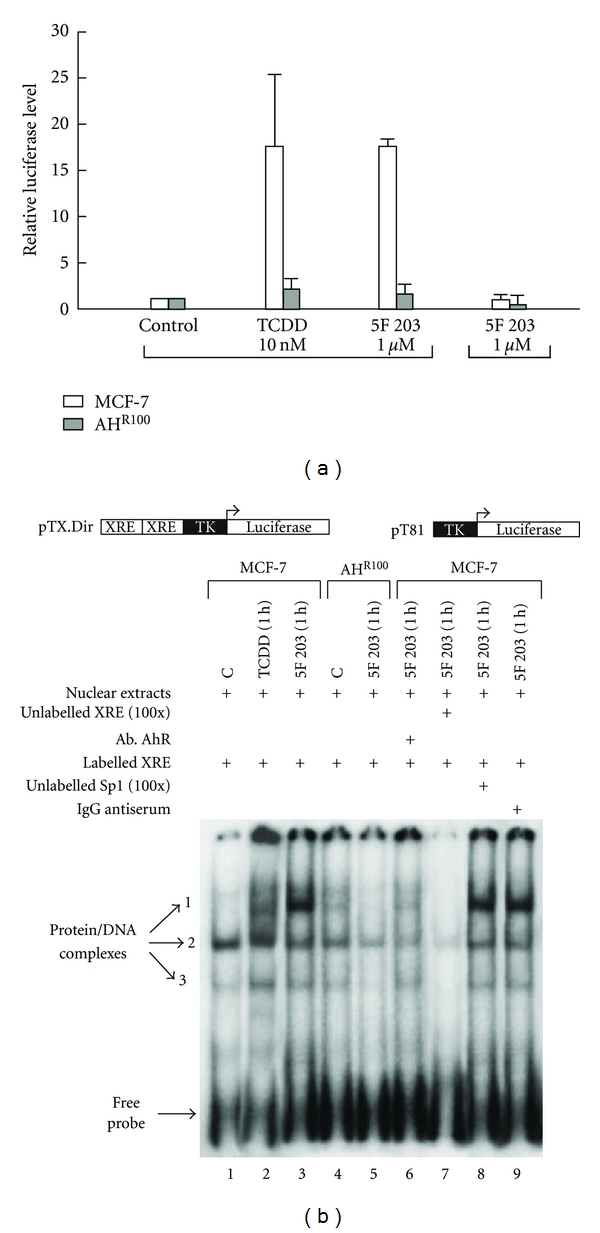
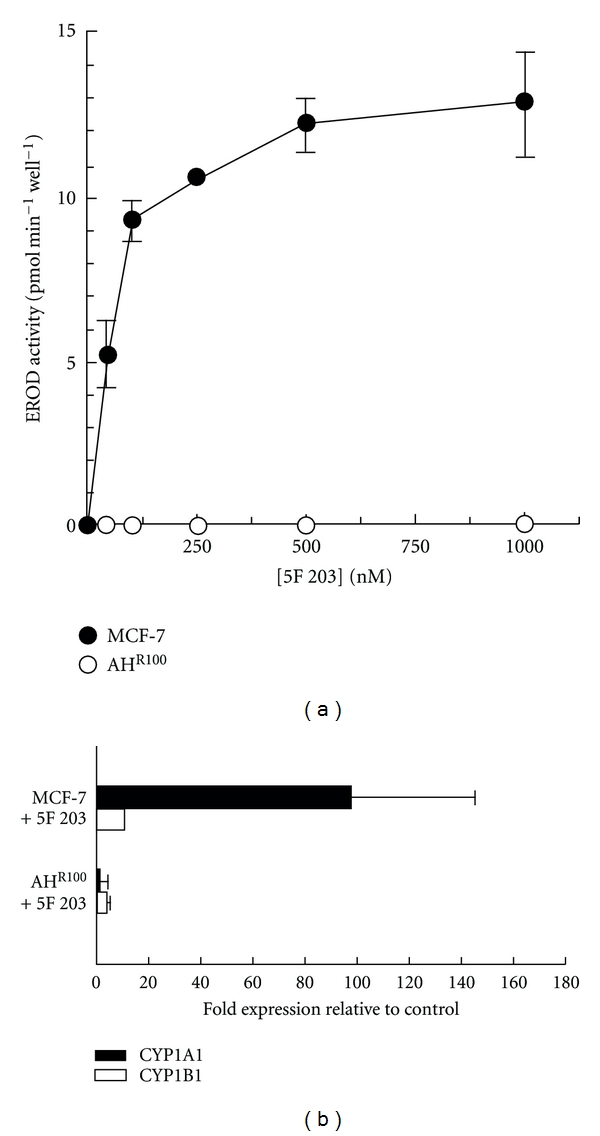
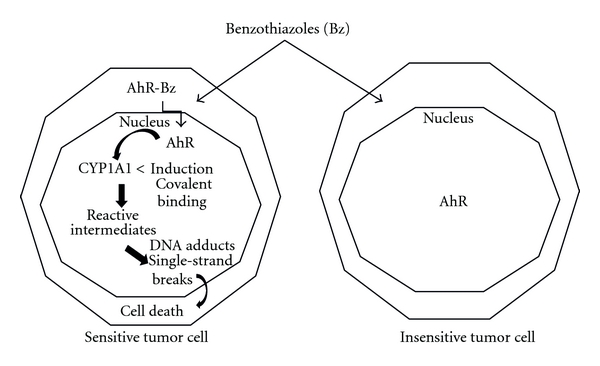
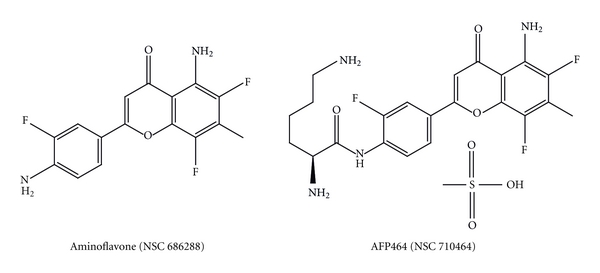
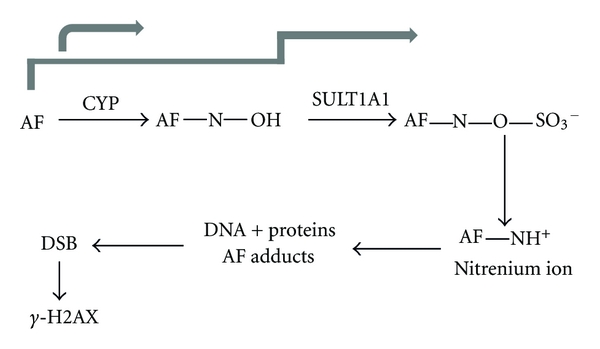
Many estrogen-receptor- (ER-) expressing breast cancers become refractory to ER-based therapies. New antitumor drugs like aminoflavone (AF) and benzothiazoles (Bzs) have been developed and have exquisite antitumor activity in ER+MCF-7 and T47D cells and in a MCF-7 nude mouse model. ER(-) breast cancer cells like MDA-MB-231 are less susceptible. We previously found in MCF-7 cells that these drugs activate the aryl hydrocarbon receptor (AhR) via translocation to the nucleus, induction of AhR-specific DNA binding activity, and expression of CYP1A1, whose transcription is controlled by the AhR-ARNT transcription factor. CYP1A1 metabolizes AF and Bz to a species which directly or after further metabolism damages DNA. In contrast an AhR-deficient variant of MCF-7 or cells with predominantly nuclear AhR expression, such as MDA-MB 231, are resistant. Thus, these drugs, unlike other neoplastic agents, require AhR-mediated signaling to cause DNA damage. This is a new treatment strategy for breast cancers with intact AhR signaling.
许多表达雌激素受体(ER)的乳腺癌会对基于ER的疗法产生耐药性。像氨基黄酮(AF)和苯并噻唑(Bzs)这样的新型抗肿瘤药物已被研发出来,它们在ER阳性的MCF-7和T47D细胞以及MCF-7裸鼠模型中具有出色的抗肿瘤活性。而像MDA-MB-231这样的ER阴性乳腺癌细胞则不太敏感。我们之前在MCF-7细胞中发现,这些药物通过转位至细胞核、诱导AhR特异性DNA结合活性以及CYP1A1的表达来激活芳烃受体(AhR),CYP1A1的转录由AhR-ARNT转录因子控制。CYP1A1将AF和Bz代谢为一种物质,该物质直接或在进一步代谢后会损伤DNA。相比之下,MCF-7的AhR缺陷变体或主要表达细胞核AhR的细胞,如MDA-MB 231,则具有抗性。因此,这些药物与其他肿瘤药物不同,需要AhR介导的信号传导来导致DNA损伤。这是一种针对具有完整AhR信号传导的乳腺癌的新治疗策略。