Department of Biological Science and Technology, National Chiao-Tung University, Hsin-Chu, Taiwan.
Biol Proced Online. 2012 Feb 3;14:2. doi: 10.1186/1480-9222-14-2.
It is widely understood that tumor cells express tumor-associated antigens (TAAs), of which many are usually in low immunogenicity; for example, carcinoembryonic antigen (CEA) is specifically expressed on human colon cancer cells and is viewed as a low-immunogenic TAA. How to activate host immunity against specific TAAs and to suppress tumor growth therefore becomes important in cancer therapy development.
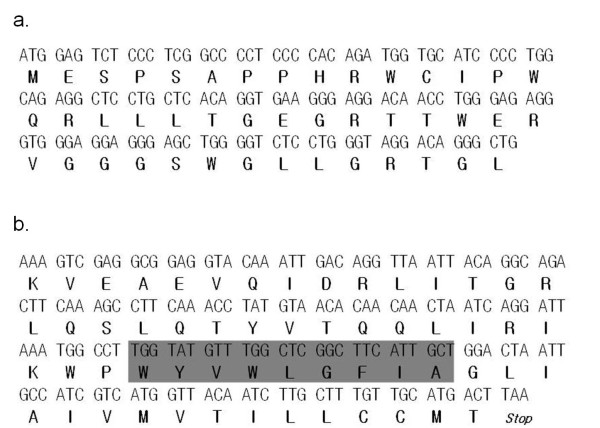
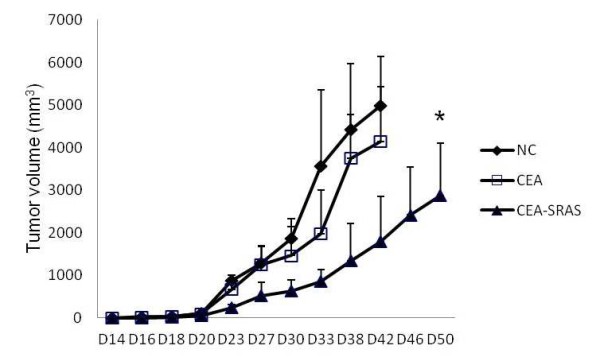
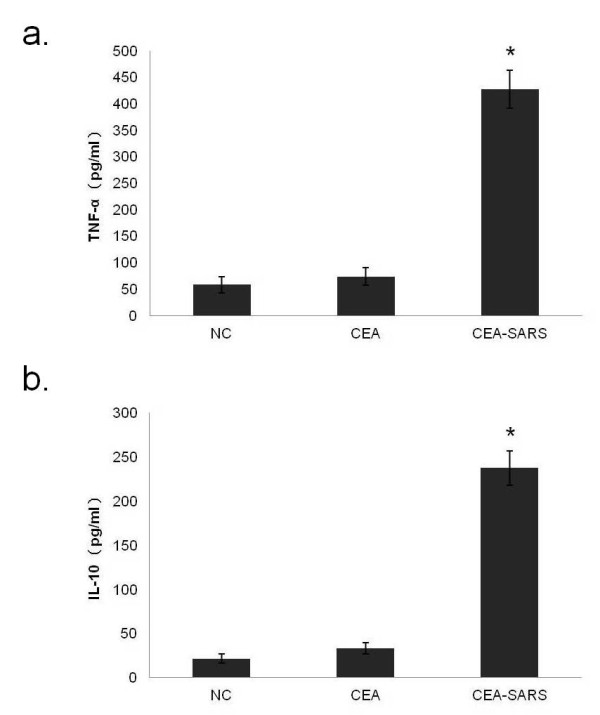
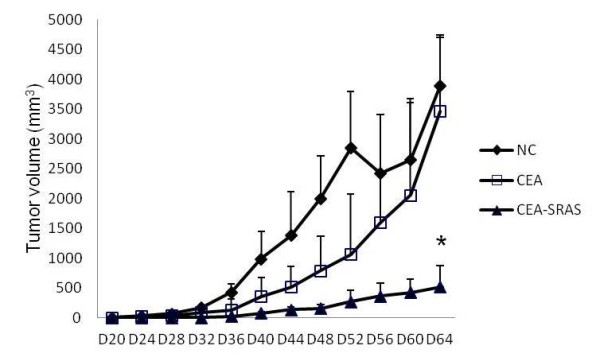
To enhance the immune efficiency of CEA in mice that received, we fused a partial CEA gene with exogenous SARS-CoV fragments. Oral vaccination of an attenuated Salmonella typhimurium strain transformed with plasmids encoding CEA-SARS-CoV fusion gene into BALB/c mice elicited significant increases in TNF-α and IL-10 in the serum. In addition, a smaller tumor volume was observed in CT26/CEA-bearing mice who received CEA-SARS-CoV gene therapy in comparison with those administered CEA alone.
The administration of fusing CEA-SARS-CoV fragments may provide a promising strategy for strengthening the anti-tumor efficacy against low-immunogenic endogenous tumor antigens.
人们普遍认为肿瘤细胞表达肿瘤相关抗原(TAAs),其中许多抗原通常免疫原性较低;例如,癌胚抗原(CEA)特异性表达于人类结肠癌细胞,被视为低免疫原性 TAA。因此,如何激活宿主针对特定 TAA 的免疫反应并抑制肿瘤生长成为癌症治疗发展的重要课题。
为了增强接受治疗的小鼠体内 CEA 的免疫效率,我们将部分 CEA 基因与 SARS-CoV 外源性片段融合。用编码 CEA-SARS-CoV 融合基因的质粒转化减毒鼠伤寒沙门氏菌菌株,对 BALB/c 小鼠进行口服免疫接种,可显著增加血清中 TNF-α 和 IL-10 的水平。此外,与单独给予 CEA 的 CT26/CEA 荷瘤小鼠相比,接受 CEA-SARS-CoV 基因治疗的小鼠肿瘤体积更小。
融合 CEA-SARS-CoV 片段的给药可能为增强针对低免疫原性内源性肿瘤抗原的抗肿瘤疗效提供一种有前途的策略。