Department of Internal Medicine, University of Texas Medical Branch, Galveston, Texas, United States of America.
PLoS One. 2012;7(2):e30280. doi: 10.1371/journal.pone.0030280. Epub 2012 Feb 7.
A series of epidemiologic studies have identified the fungus Alternaria as a major risk factor for asthma. The airway epithelium plays a critical role in the pathogenesis of allergic asthma. These reports suggest that activated airway epithelial cells can produce cytokines such as IL-25, TSLP and IL-33 that induce Th2 phenotype. However the epithelium-derived products that mediate the pro-asthma effects of Alternaria are not well characterized. We hypothesized that exposure of the airway epithelium to Alternaria releasing cytokines that can induce Th2 differentiation.
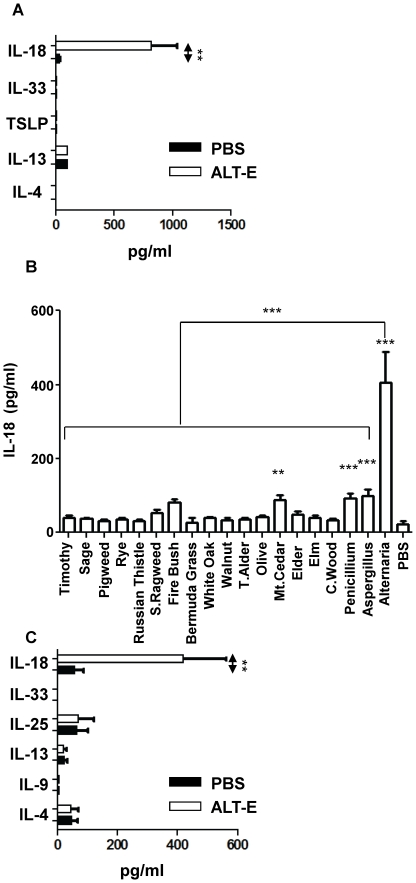
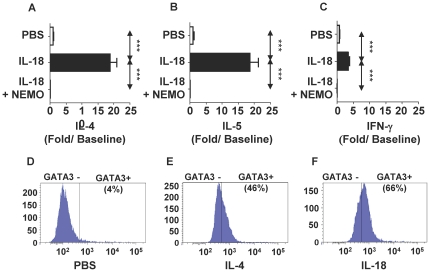
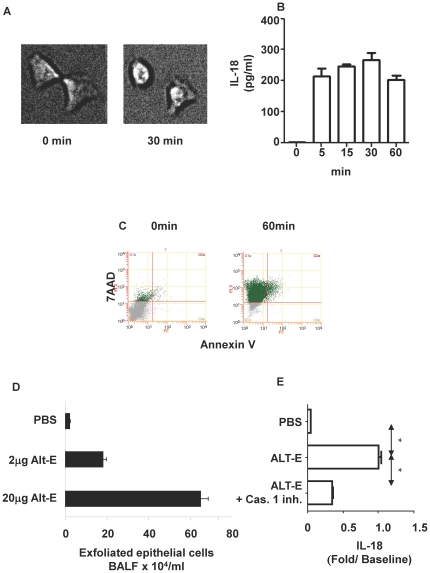
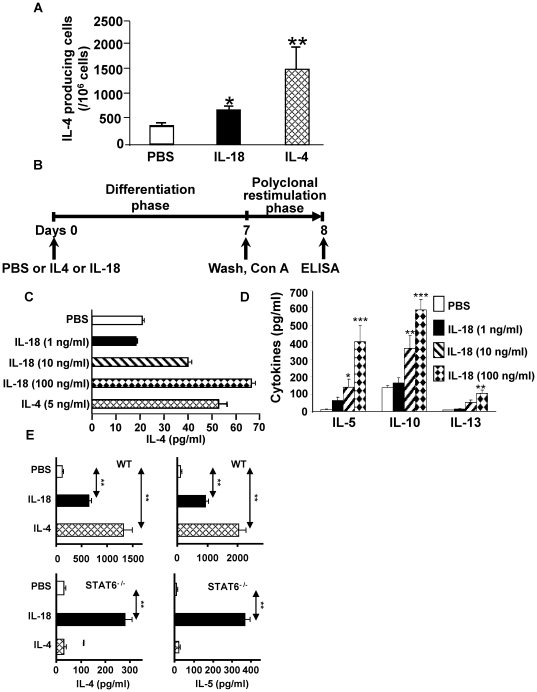
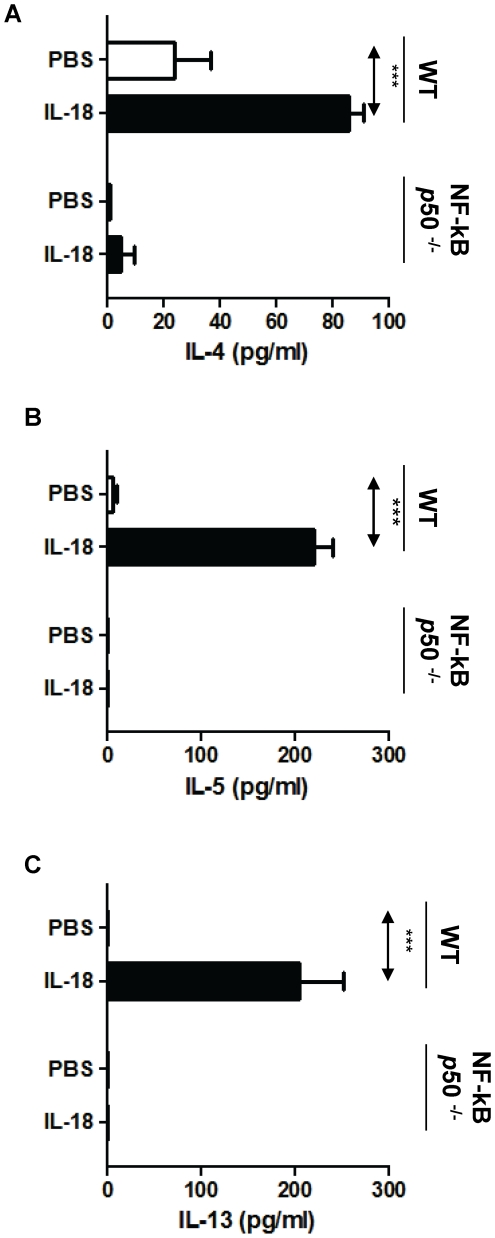
METHODOLOGY/PRINCIPAL FINDING: We used ELISA to measure human and mouse cytokines. Alternaria extract (ALT-E) induced rapid release of IL-18, but not IL-4, IL-9, IL-13, IL-25, IL-33, or TSLP from cultured normal human bronchial epithelial cells; and in the BAL fluids of naïve mice after challenge with ALT-E. Both microscopic and FACS indicated that this release was associated with necrosis of epithelial cells. ALT-E induced much greater IL-18 release compared to 19 major outdoor allergens. Culture of naïve CD4 cells with rmIL-18 induced Th2 differentiation in the absence of IL-4 and STAT6, and this effect was abrogated by disrupting NF- κB p50 or with a NEMO binding peptide inhibitor.
CONCLUSION/SIGNIFICANCE: Rapid and specific release of IL-18 from Alternaria-exposed damaged airway epithelial cells can directly initiate Th2 differentiation of naïve CD4(+) T-cells via a unique NF-κB dependent pathway.
一系列流行病学研究已经确定真菌链格孢属是哮喘的一个主要危险因素。气道上皮在过敏性哮喘的发病机制中起着关键作用。这些报告表明,激活的气道上皮细胞可以产生细胞因子,如 IL-25、TSLP 和 IL-33,诱导 Th2 表型。然而,介导链格孢属致哮喘作用的上皮细胞衍生产物尚未得到很好的描述。我们假设气道上皮细胞暴露于链格孢属会释放细胞因子,从而诱导 Th2 分化。
方法/主要发现:我们使用 ELISA 测量人源和鼠源细胞因子。链格孢属提取物 (ALT-E) 可诱导培养的正常人支气管上皮细胞迅速释放 IL-18,但不释放 IL-4、IL-9、IL-13、IL-25、IL-33 或 TSLP;并且在接受 ALT-E 挑战后的 naive 小鼠 BAL 液中也可检测到。显微镜和 FACS 均表明这种释放与上皮细胞坏死有关。与 19 种主要室外过敏原相比,ALT-E 诱导的 IL-18 释放量更大。在缺乏 IL-4 和 STAT6 的情况下,用 rmIL-18 培养 naive CD4 细胞可诱导 Th2 分化,而阻断 NF-κB p50 或使用 NEMO 结合肽抑制剂则可阻断这种作用。
结论/意义:暴露于链格孢属的受损气道上皮细胞快速且特异性地释放 IL-18,可通过独特的 NF-κB 依赖途径直接启动 naive CD4(+)T 细胞的 Th2 分化。