Ledford Joel, Paquin Pierre, Cokendolpher James, Campbell Josh, Griswold Charles
California Academy of Sciences, Department of Entomology, San Francisco, CA 94118, USA.
Zookeys. 2012(167):1-102. doi: 10.3897/zookeys.167.1833. Epub 2012 Jan 23.
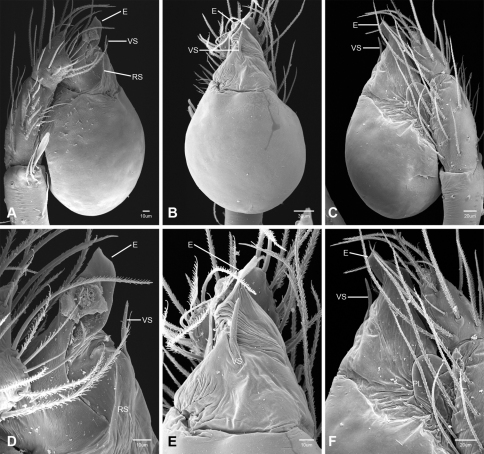
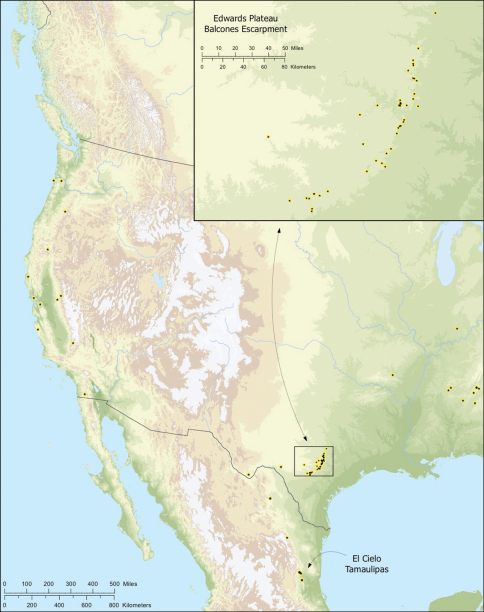
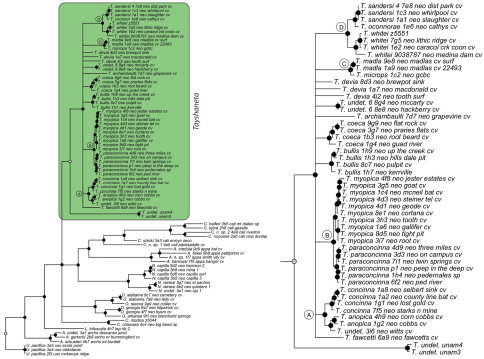
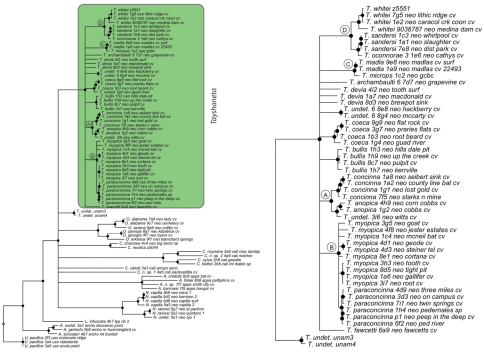
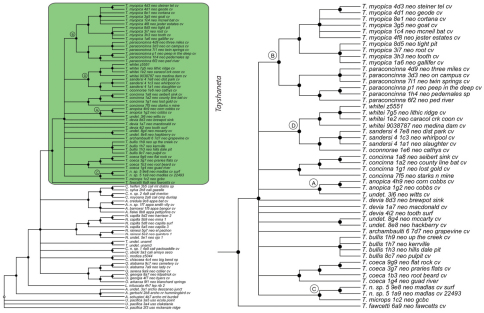
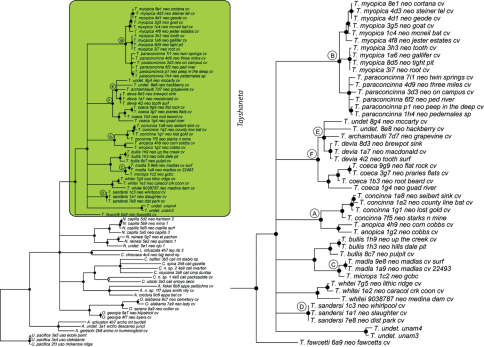
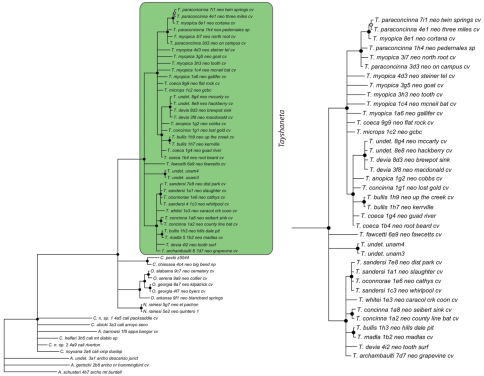
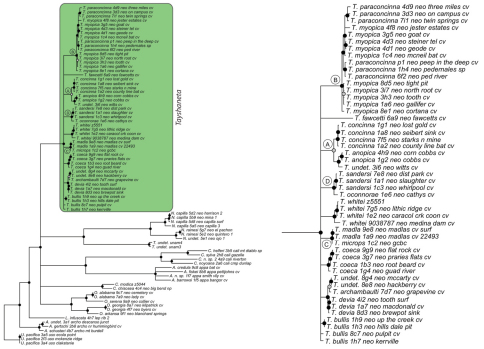
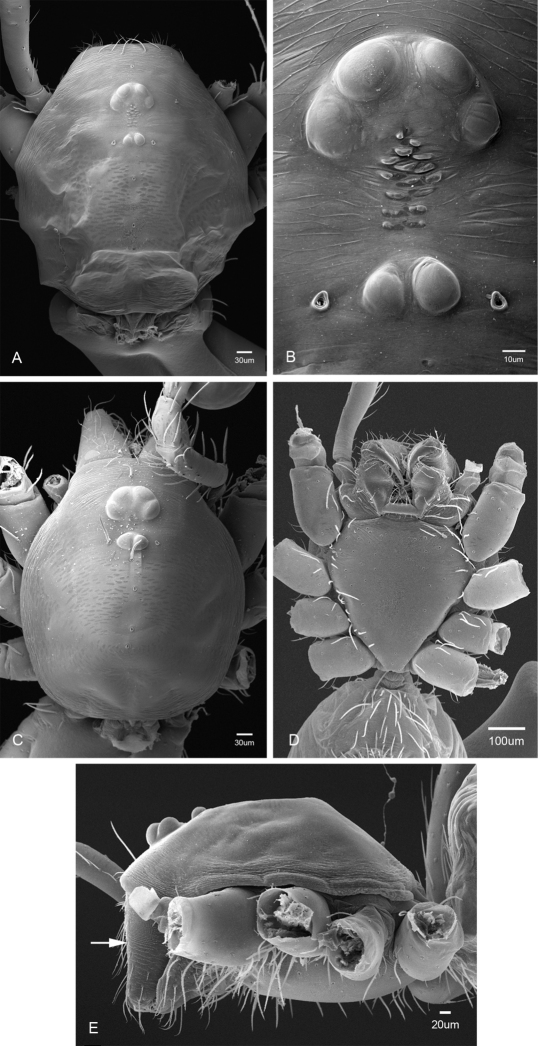
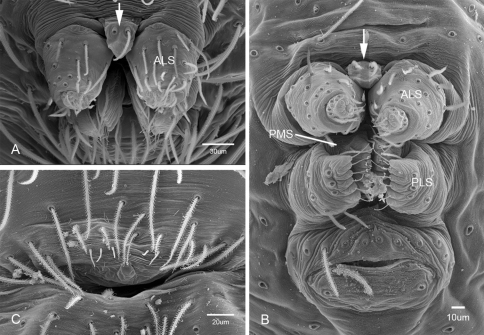
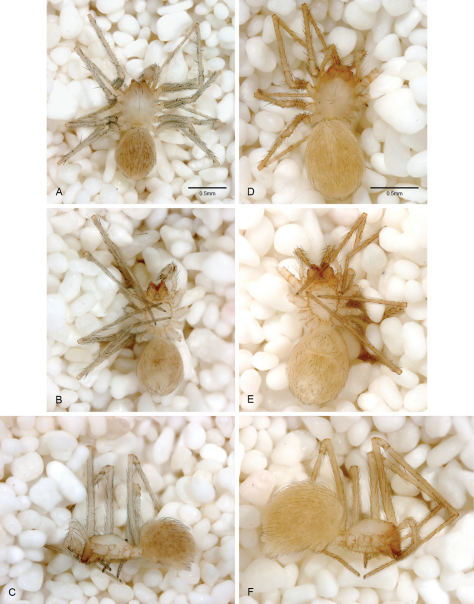
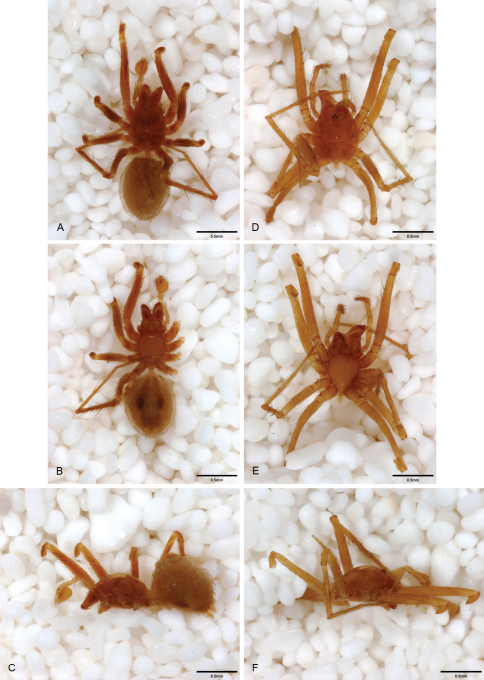
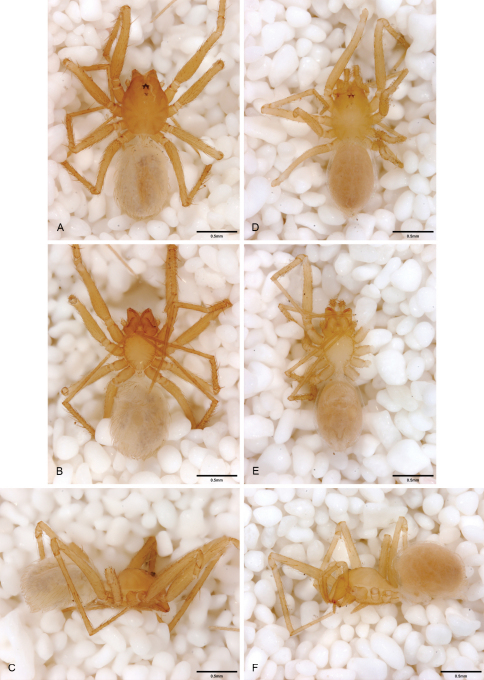
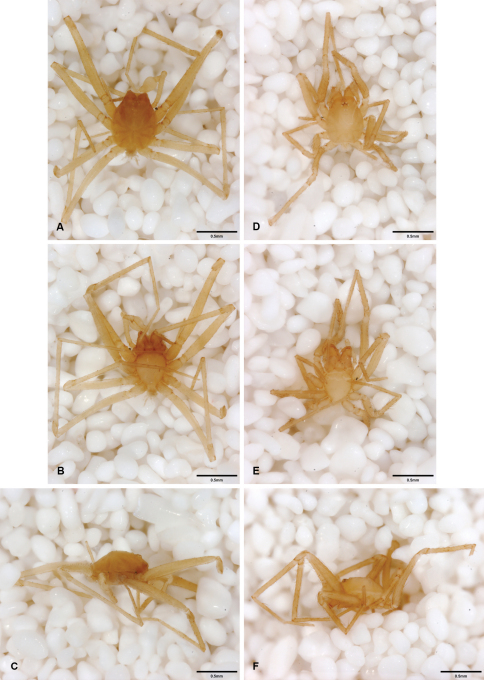
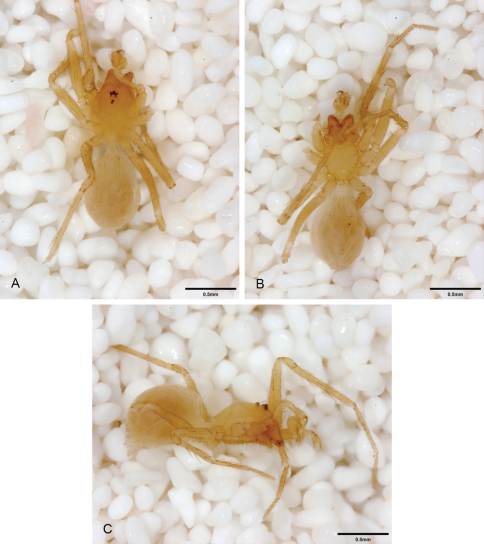
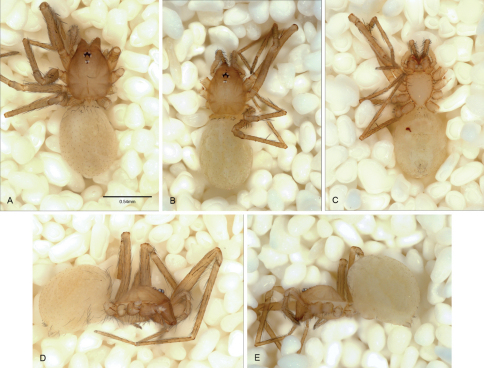
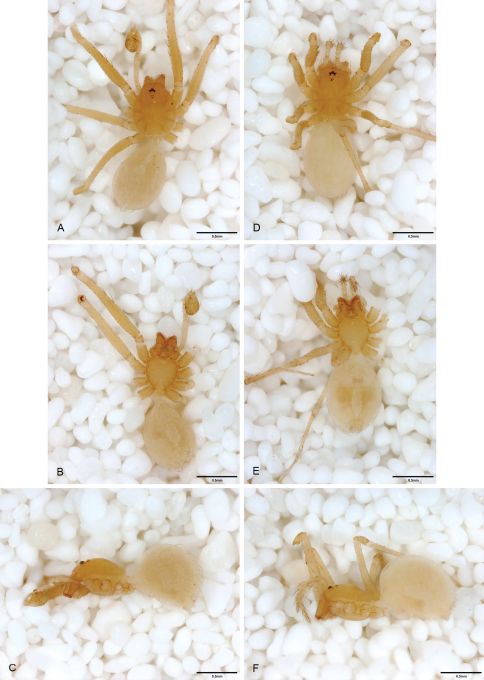
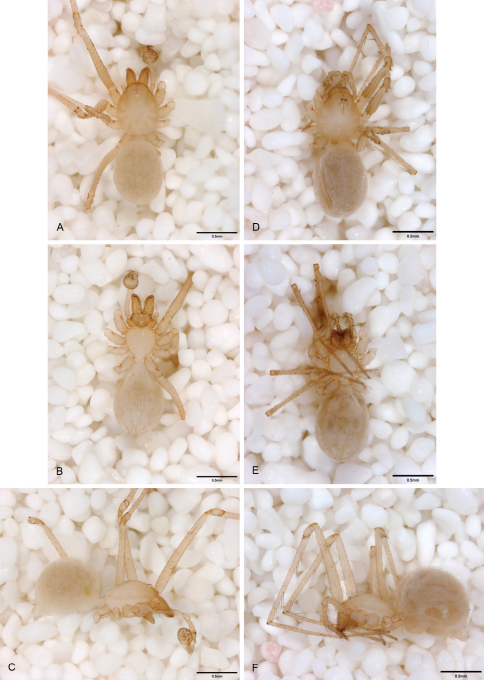
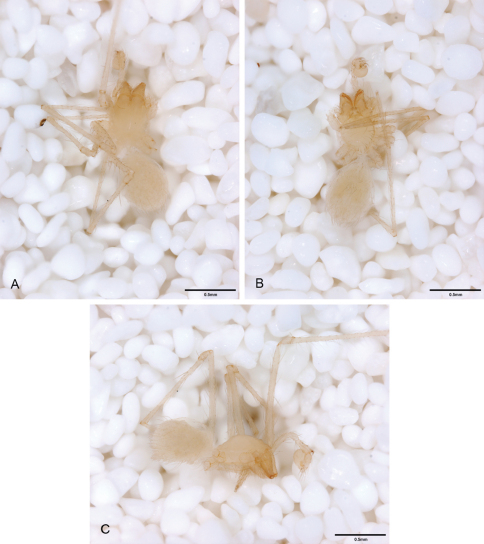
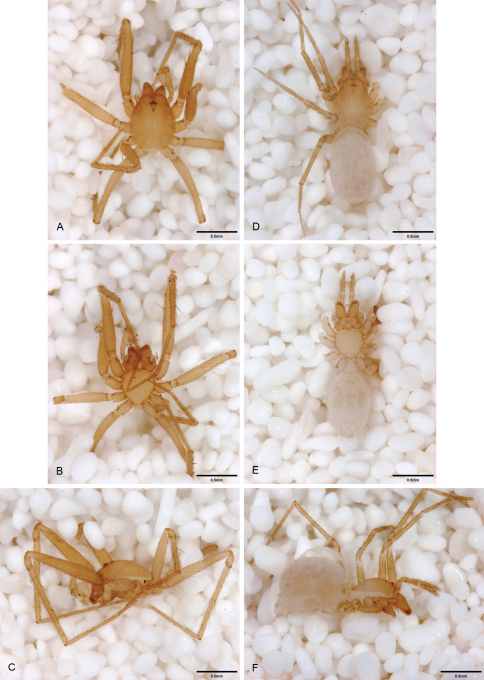
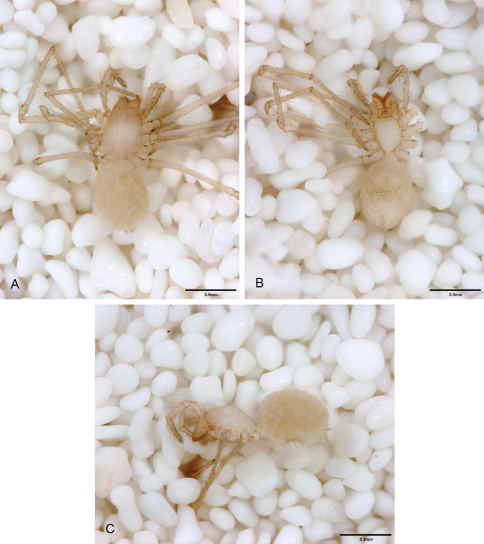
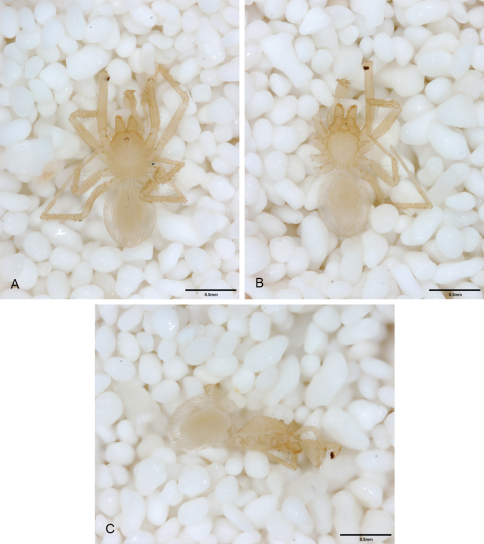
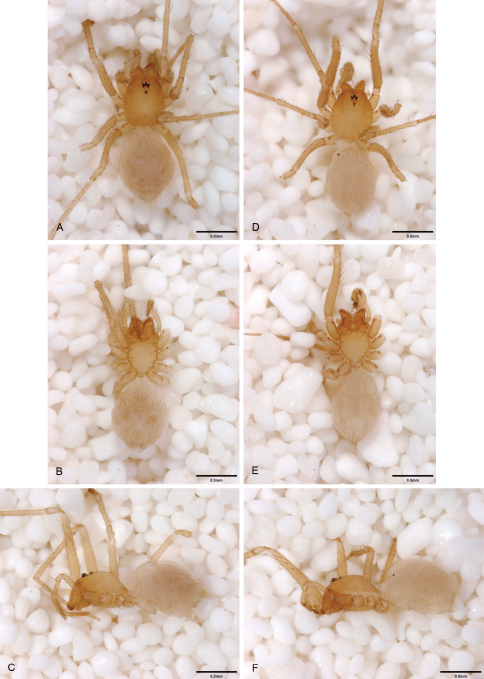
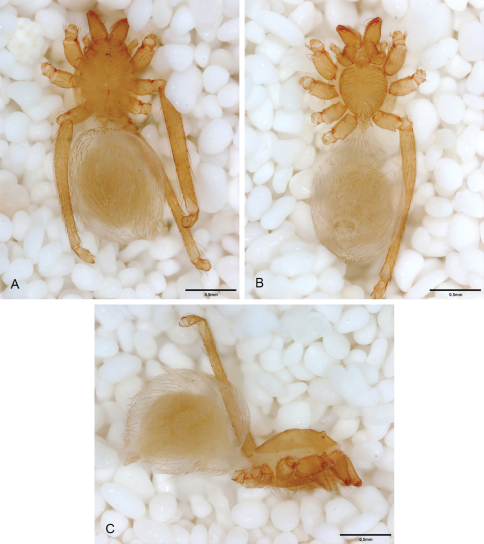
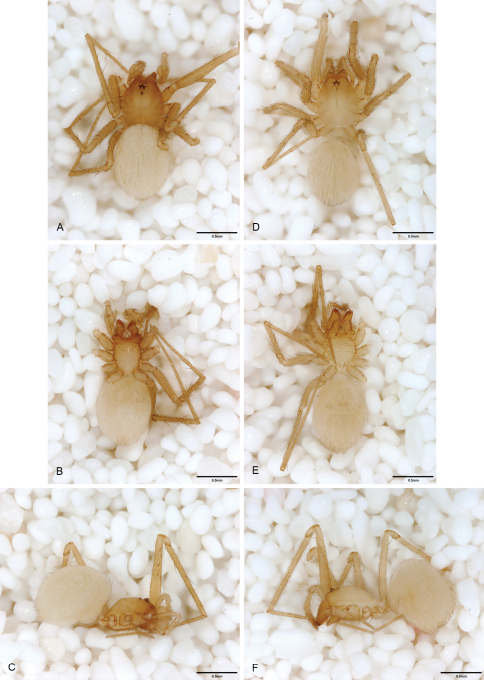
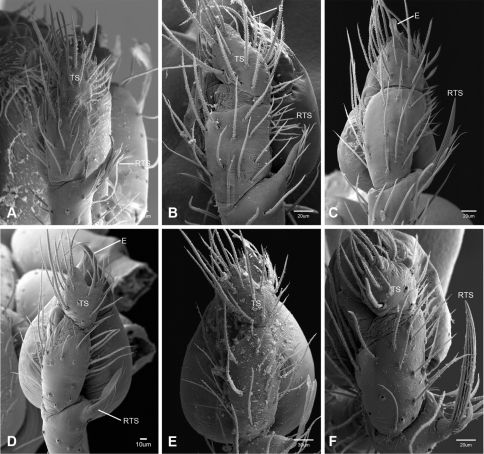
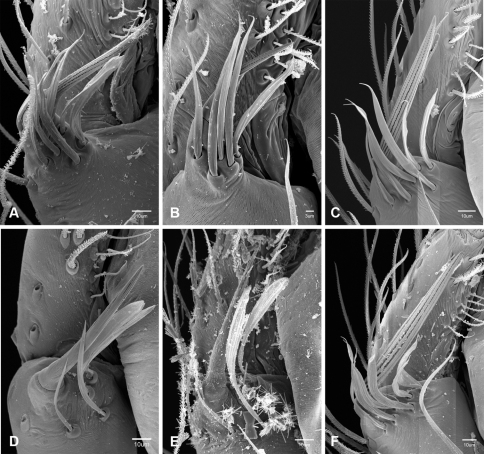
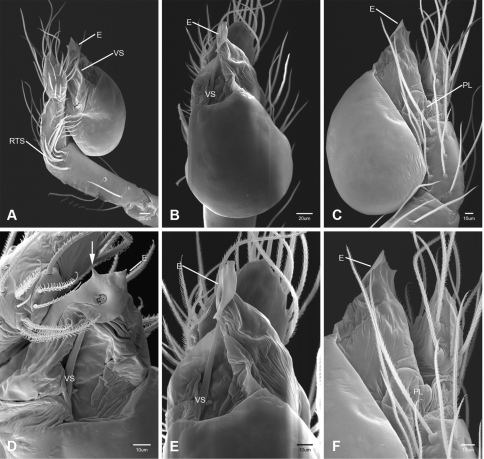
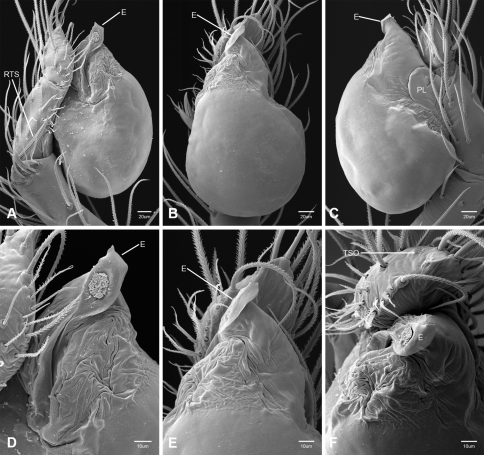
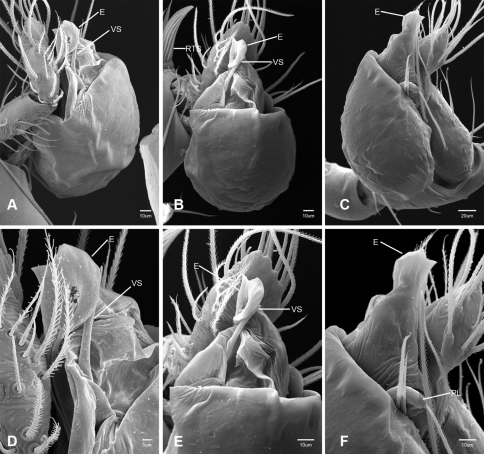
The spider genus Tayshaneta is revised based on results from a three gene phylogenetic analysis (Ledford et al. 2011) and a comprehensive morphological survey using scanning electron (SEM) and compound light microscopy. The morphology and relationships within Tayshaneta are discussed and five species-groups are supported by phylogenetic analyses: the anopica group, the coeca group, the myopica group, the microps group and the sandersi group. Short branch lengths within Tayshaneta contrast sharply with the remaining North American genera and are viewed as evidence for a relatively recent radiation of species. Variation in troglomorphic morphology is discussed and compared to patterns found in other Texas cave invertebrates. Several species previously known as single cave endemics have wider ranges than expected, suggesting that some caves are not isolated habitats but instead form part of interconnected karst networks. Distribution maps are compared with karst faunal regions (KFR's) in Central Texas and the implications for the conservation and recovery of Tayshaneta species are discussed. Ten new species are described: Tayshaneta archambaultisp. n., Tayshaneta emeraldaesp. n., Tayshaneta fawcettisp. n., Tayshaneta grubbsisp. n., Tayshaneta madlasp. n., Tayshaneta oconnoraesp. n., Tayshaneta sandersisp. n., Tayshaneta sprouseisp. n., Tayshaneta vidriosp. n. and Tayshaneta whiteisp. n. The males for three species, Tayshaneta anopica (Gertsch, 1974), Tayshaneta devia (Gertsch, 1974) and Tayshaneta microps (Gertsch, 1974) are described for the first time. Tayshaneta furtiva (Gertsch, 1974) and Tayshaneta uvaldea (Gertsch, 1974) are declared nomina dubia as the female holotypes are not diagnosable and efforts to locate specimens at the type localities were unsuccessful. All Tayshaneta species are thoroughly illustrated, diagnosed and keyed. Distribution maps are also provided highlighting areas of taxonomic ambiguity in need of additional sampling.
基于一项三基因系统发育分析(莱德福德等人,2011年)的结果以及一项使用扫描电子显微镜(SEM)和复式光学显微镜的全面形态学调查,对泰氏蛛属进行了修订。讨论了泰氏蛛属的形态学及其内部关系,系统发育分析支持五个物种组:无眼蛛组、盲蛛组、近视蛛组、小眼蛛组和桑德斯蛛组。泰氏蛛属内较短的分支长度与其余北美属形成鲜明对比,被视为物种相对近期辐射的证据。讨论了洞穴形态的变异,并与在德克萨斯州其他洞穴无脊椎动物中发现的模式进行了比较。一些以前被认为是单一洞穴特有种的物种分布范围比预期的更广,这表明一些洞穴并非孤立的栖息地,而是相互连接的喀斯特网络的一部分。将分布图与德克萨斯州中部的喀斯特动物区系区域(KFR)进行了比较,并讨论了对泰氏蛛属物种保护和恢复的影响。描述了十个新物种:阿尚博泰氏蛛、埃默拉尔泰氏蛛、福西泰氏蛛、格拉布斯泰氏蛛、马德拉斯泰氏蛛、奥康诺泰氏蛛、桑德斯泰氏蛛、斯普劳斯泰氏蛛、维德里泰氏蛛和怀特泰氏蛛。首次描述了三种泰氏蛛的雄性个体,分别是无眼泰氏蛛(格奇,1974年)、偏离泰氏蛛(格奇,1974年)和小眼泰氏蛛(格奇,1974年)。隐秘泰氏蛛(格奇,1974年)和尤瓦尔迪泰氏蛛(格奇,1974年)被宣布为疑名,因为雌性正模标本无法鉴定,且在模式产地寻找标本的努力未成功。对所有泰氏蛛属物种都进行了详细的图示、诊断和检索。还提供了分布图,突出了需要额外采样的分类学模糊区域。