Gail Holmes Orthopaedic Research Center, College of Veterinary Medicine and Biomedical Sciences, Colorado State University, 300 West Drake Road, Fort Collins, CO 80523, USA.
Stem Cells Int. 2012;2012:691605. doi: 10.1155/2012/691605. Epub 2012 Jan 26.
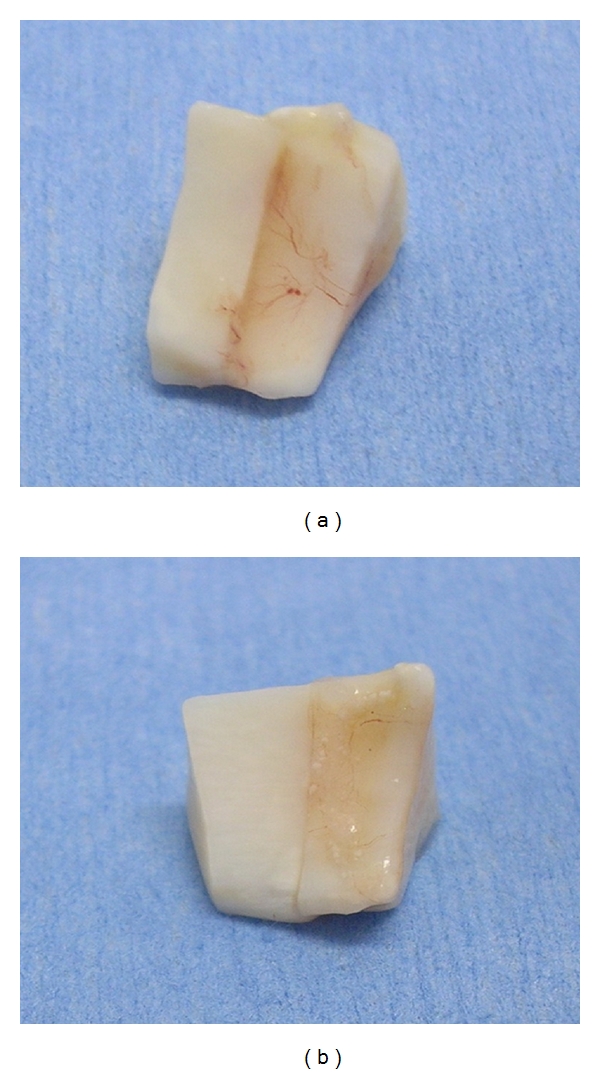
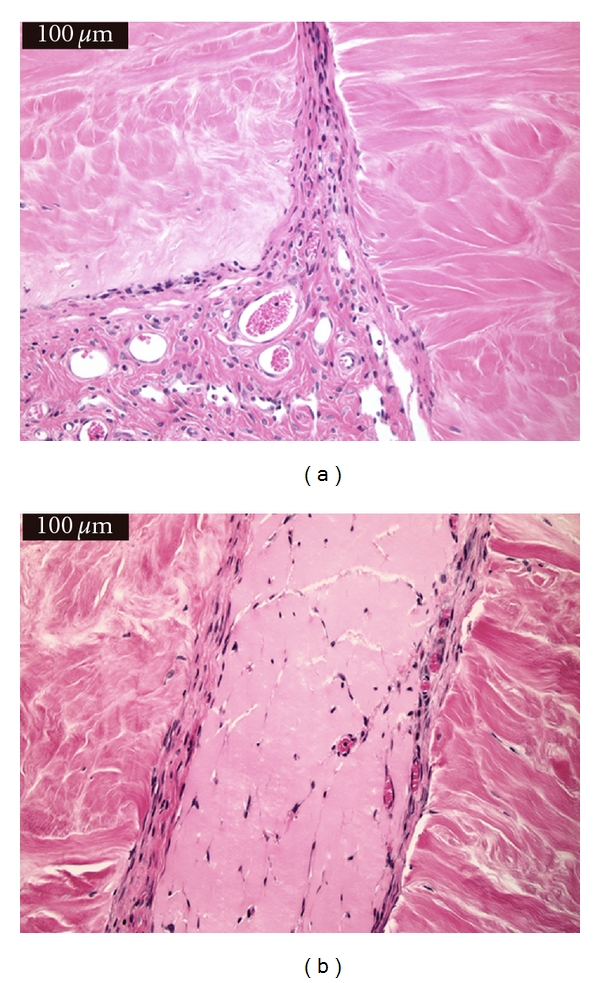
Fibrin glue created from a patient's own blood can be used as a carrier to deliver cells to the specific site of an injury. An experimental model for optimizing various permutations of this delivery system in vivo was tested in this study. Harvested equine meniscal sections were reapposed with fibrin glue or fibrin glue and equine bone marrow-derived mesenchymal stem cells (BMSCs). These constructs were then implanted subcutaneously in nude mice. After harvesting of the constructs, BMSC containing constructs showed significantly increased vascularization, and histology showed subjectively decreased thickness of repair tissue and increased total bonding compared to fibrin alone constructs. This model allowed direct comparison of different meniscal treatment groups while using a small number of animals. This in vivo model could be valuable in the future to optimize fibrin and cellular treatments for meniscal lesions in the horse and potentially humans as well.
纤维蛋白胶可以由患者自身的血液制成,用作载体将细胞递送到损伤的特定部位。本研究中测试了一种优化该递释系统体内各种排列组合的实验模型。收获的马半月板部分用纤维蛋白胶或纤维蛋白胶和马骨髓间充质干细胞(BMSCs)重新附着。然后将这些构建体皮下植入裸鼠。构建体收获后,含有 BMSC 的构建体的血管化明显增加,组织学显示与单独使用纤维蛋白的构建体相比,修复组织的厚度主观上减少,总结合增加。该模型允许在使用少量动物的情况下直接比较不同的半月板治疗组。这种体内模型对于优化马和潜在人类的半月板损伤的纤维蛋白和细胞治疗可能具有重要价值。