Dressel Albertine J, van der Mijn Johannes C, Aalders Ijke J, Rinkel Rico N P M, van der Vliet Hans J
Department of Medical Oncology, VU University Medical Center, Amsterdam, The Netherlands.
Case Rep Oncol. 2012 Jan;5(1):47-51. doi: 10.1159/000336156. Epub 2012 Jan 18.
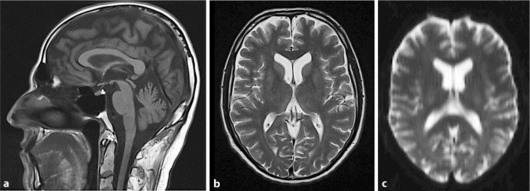
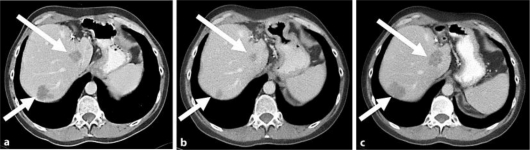
Colorectal carcinomas are among the most common tumor types and are generally treated with palliative chemotherapy in case of metastatic disease. Here, we describe the case of a 46-year-old patient with metastatic rectal carcinoma who received second-line therapy with irinotecan and developed isolated transient dysarthria (with normal MR imaging of the brain) following each administration of irinotecan. Neurological and logopedical evaluation revealed that the dysarthria predominantly resulted from a reduced capacity in fine-tuning of motor functions of the tip of the tongue and a minimal reduction in the power of speech at labiodental contact. As hypoglossal nerve activity has been reported to be especially susceptible to cholinergic stimulation and irinotecan can cause cholinergic side effects by binding to and inactivating acetylcholinesterase, we suspect this mechanism to be responsible for irinotecan-induced dysarthria.
结直肠癌是最常见的肿瘤类型之一,对于转移性疾病,通常采用姑息性化疗进行治疗。在此,我们描述了一名46岁转移性直肠癌患者的病例,该患者接受了伊立替康二线治疗,每次使用伊立替康后均出现孤立性短暂构音障碍(脑部磁共振成像正常)。神经学和言语治疗学评估显示,构音障碍主要是由于舌尖运动功能精细调节能力下降以及唇齿接触时言语力量略有减弱所致。由于据报道舌下神经活动对胆碱能刺激特别敏感,且伊立替康可通过与乙酰胆碱酯酶结合并使其失活而引起胆碱能副作用,我们怀疑这一机制是伊立替康诱发构音障碍的原因。