Laboratório Nacional de Biociências, Centro Nacional de Pesquisa em Energia e Materiais, Campinas, SP, Brazil.
PLoS One. 2012;7(2):e32305. doi: 10.1371/journal.pone.0032305. Epub 2012 Feb 22.
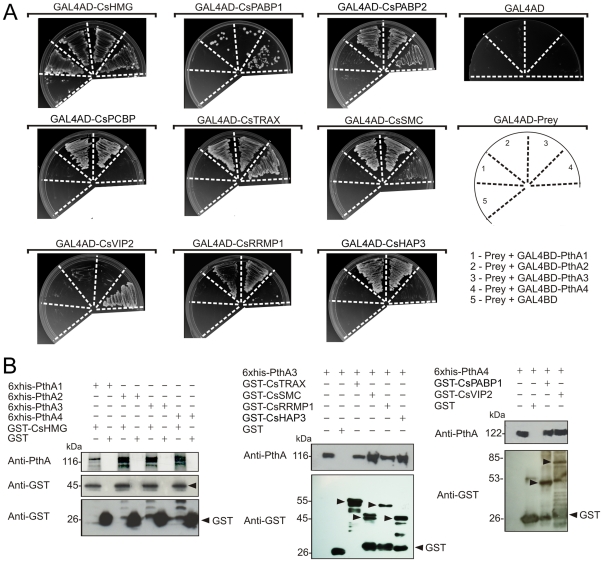
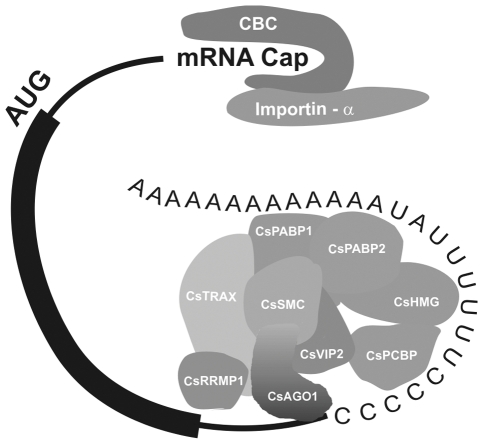
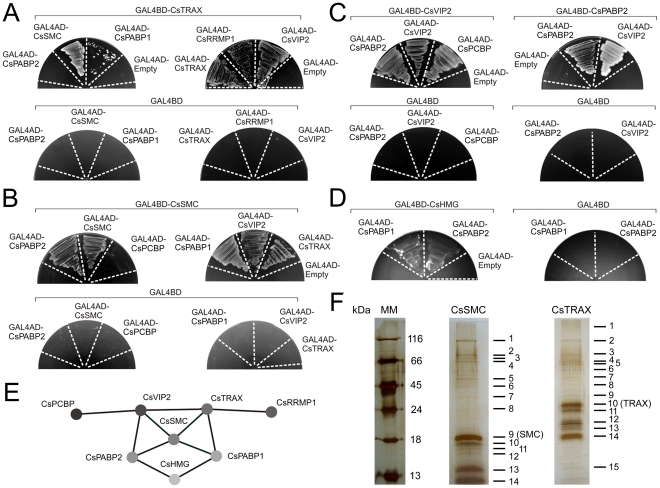
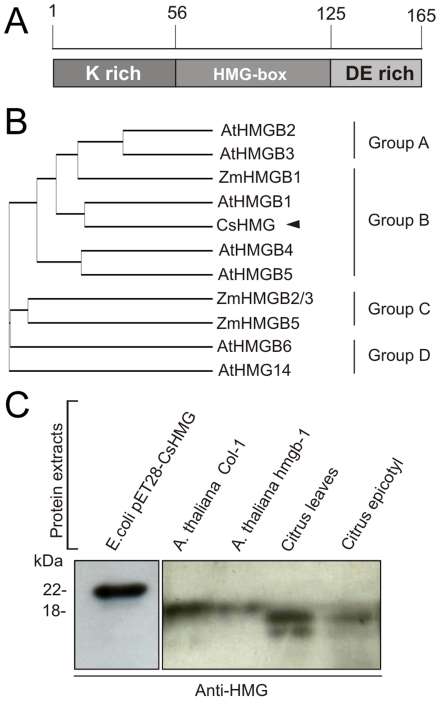
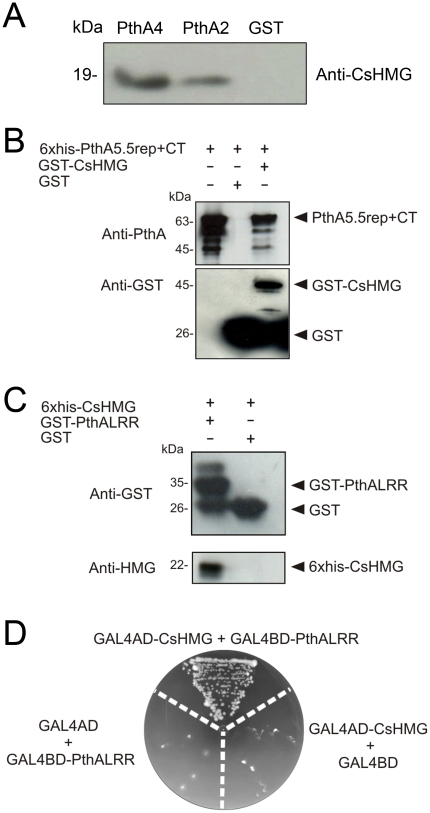
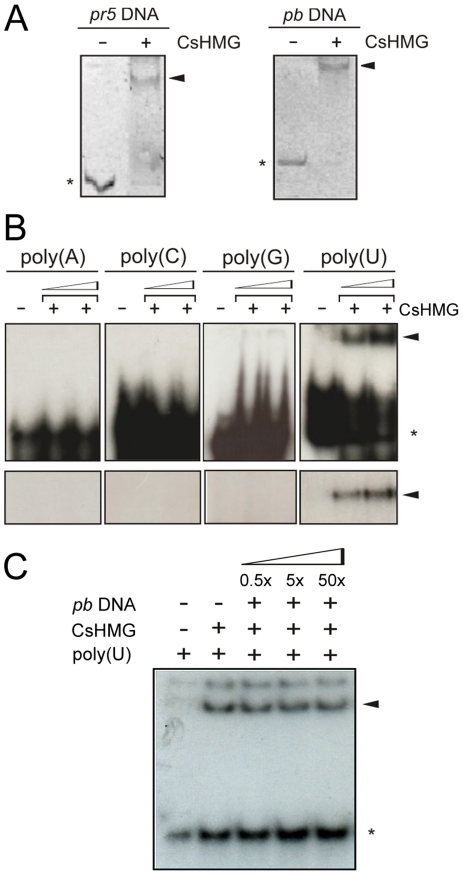
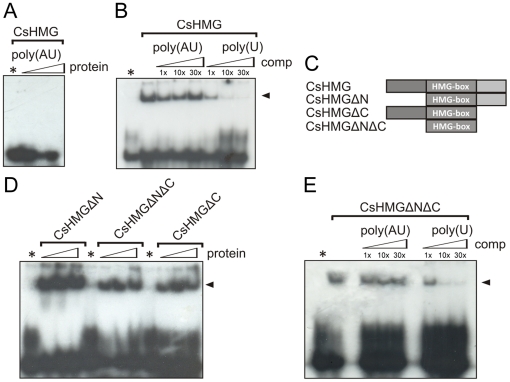
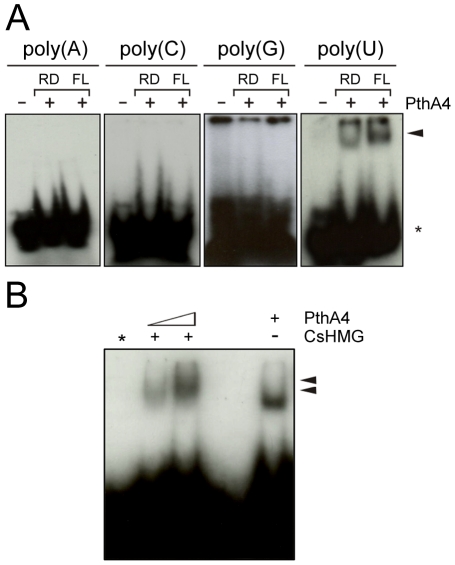
Plant pathogenic bacteria utilize an array of effector proteins to cause disease. Among them, transcriptional activator-like (TAL) effectors are unusual in the sense that they modulate transcription in the host. Although target genes and DNA specificity of TAL effectors have been elucidated, how TAL proteins control host transcription is poorly understood. Previously, we showed that the Xanthomonas citri TAL effectors, PthAs 2 and 3, preferentially targeted a citrus protein complex associated with transcription control and DNA repair. To extend our knowledge on the mode of action of PthAs, we have identified new protein targets of the PthA4 variant, required to elicit canker on citrus. Here we show that all the PthA4-interacting proteins are DNA and/or RNA-binding factors implicated in chromatin remodeling and repair, gene regulation and mRNA stabilization/modification. The majority of these proteins, including a structural maintenance of chromosomes protein (CsSMC), a translin-associated factor X (CsTRAX), a VirE2-interacting protein (CsVIP2), a high mobility group (CsHMG) and two poly(A)-binding proteins (CsPABP1 and 2), interacted with each other, suggesting that they assemble into a multiprotein complex. CsHMG was shown to bind DNA and to interact with the invariable leucine-rich repeat region of PthAs. Surprisingly, both CsHMG and PthA4 interacted with PABP1 and 2 and showed selective binding to poly(U) RNA, a property that is novel among HMGs and TAL effectors. Given that homologs of CsHMG, CsPABP1, CsPABP2, CsSMC and CsTRAX in other organisms assemble into protein complexes to regulate mRNA stability and translation, we suggest a novel role of TAL effectors in mRNA processing and translational control.
植物病原细菌利用一系列效应蛋白引起疾病。在这些效应蛋白中,转录激活子样(TAL)效应蛋白很不寻常,因为它们在宿主中调节转录。尽管已经阐明了 TAL 效应蛋白的靶基因和 DNA 特异性,但 TAL 蛋白如何控制宿主转录尚不清楚。以前,我们表明,柑橘黄单胞菌的 TAL 效应蛋白 PthAs2 和 3 优先靶向与转录控制和 DNA 修复相关的柑橘蛋白复合物。为了扩展我们对 PthAs 作用模式的认识,我们已经鉴定出 PthA4 变体需要引发溃疡的新的蛋白质靶标。在这里,我们表明,所有与 PthA4 相互作用的蛋白质都是 DNA 和/或 RNA 结合因子,这些因子参与染色质重塑和修复、基因调控以及 mRNA 稳定/修饰。这些蛋白质中的大多数,包括结构维持染色体蛋白(CsSMC)、转座因子相关因子 X(CsTRAX)、VirE2 相互作用蛋白(CsVIP2)、高迁移率族蛋白(CsHMG)和两个多聚(A)结合蛋白(CsPABP1 和 2),相互作用,表明它们组装成一个多蛋白复合物。CsHMG 被证明与 DNA 结合,并与 PthAs 的不变亮氨酸丰富重复区相互作用。令人惊讶的是,CsHMG 和 PthA4 都与 PABP1 和 2 相互作用,并显示出对 poly(U)RNA 的选择性结合,这是 HMG 和 TAL 效应蛋白中的一个新特性。鉴于其他生物体中的 CsHMG、CsPABP1、CsPABP2、CsSMC 和 CsTRAX 同源物组装成蛋白复合物以调节 mRNA 稳定性和翻译,我们建议 TAL 效应蛋白在 mRNA 加工和翻译控制中发挥新的作用。