The Forsyth Institute, Cambridge, MA 02142, USA.
Parasite Immunol. 2012 Jul;34(7):360-71. doi: 10.1111/j.1365-3024.2012.01365.x.
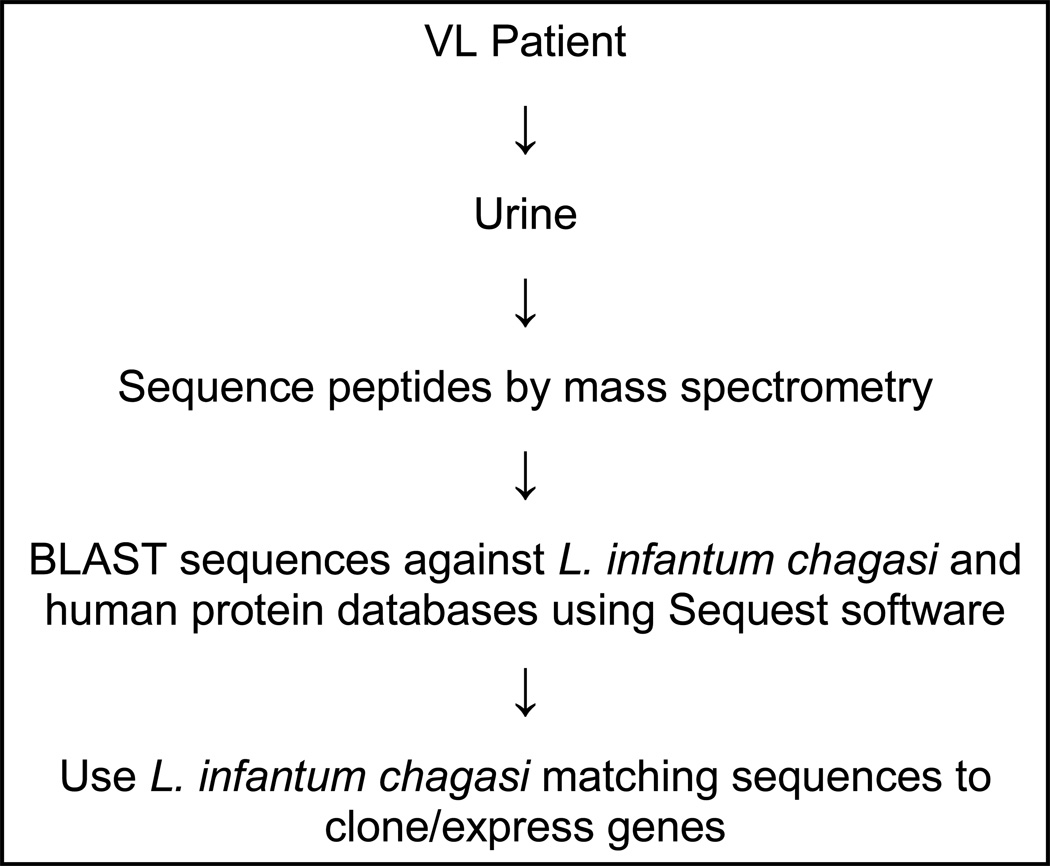
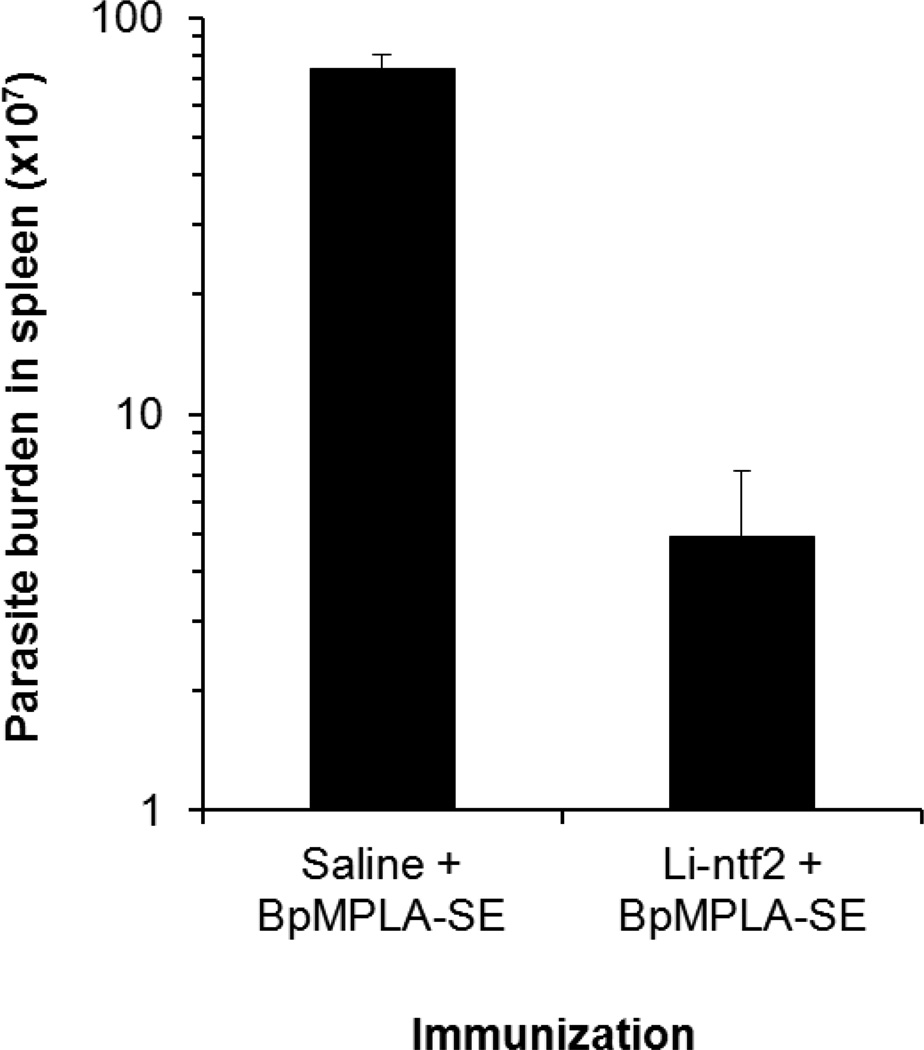
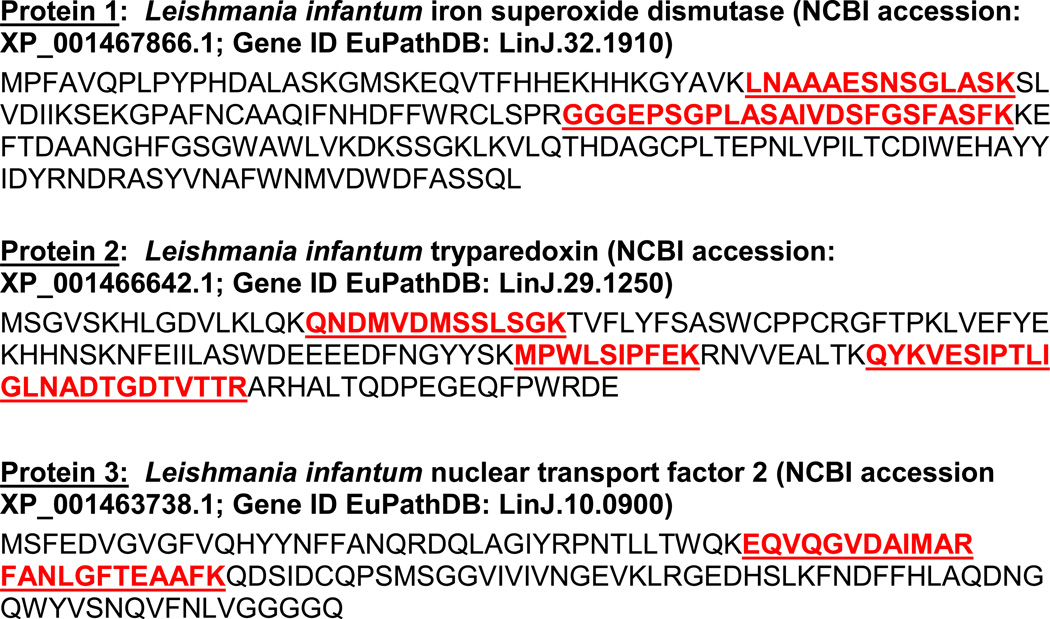
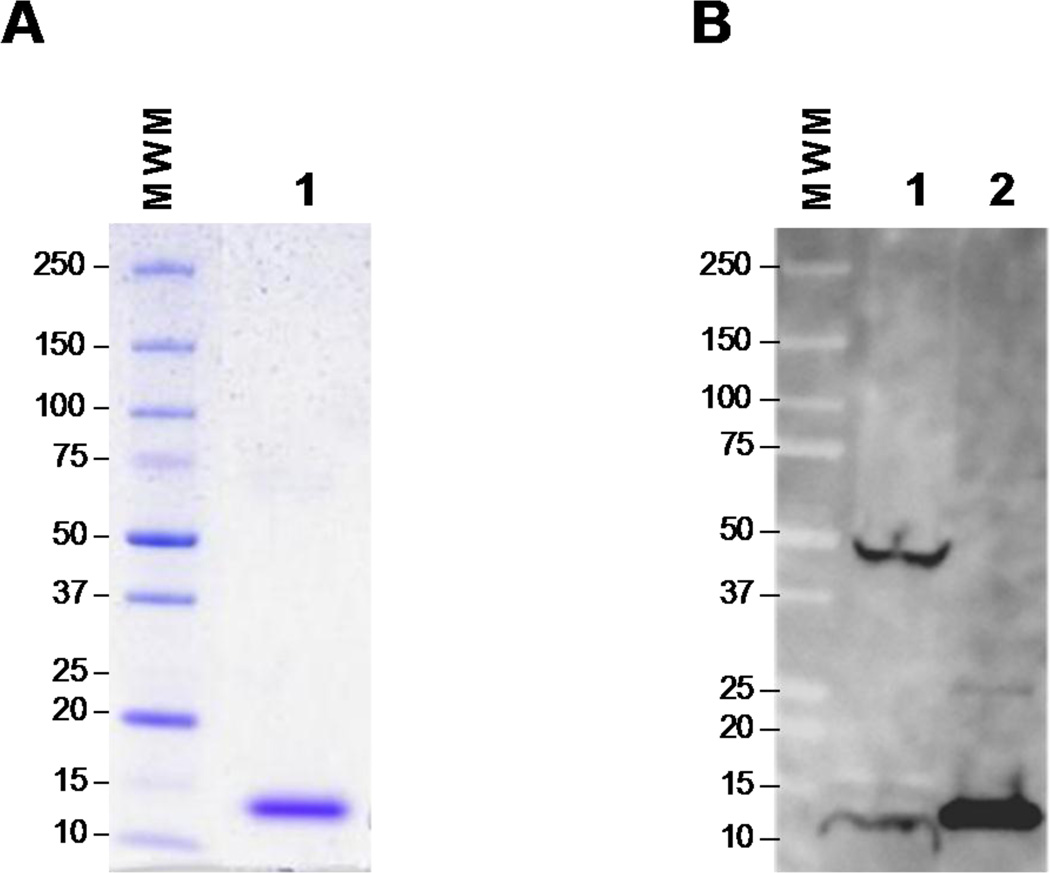
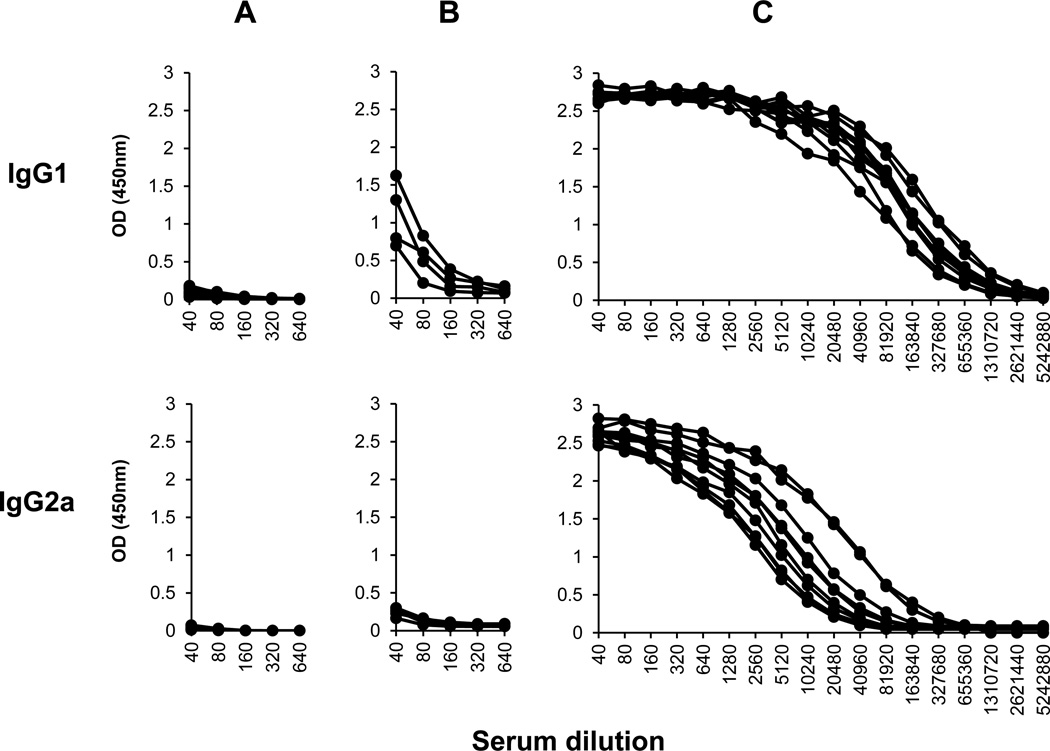
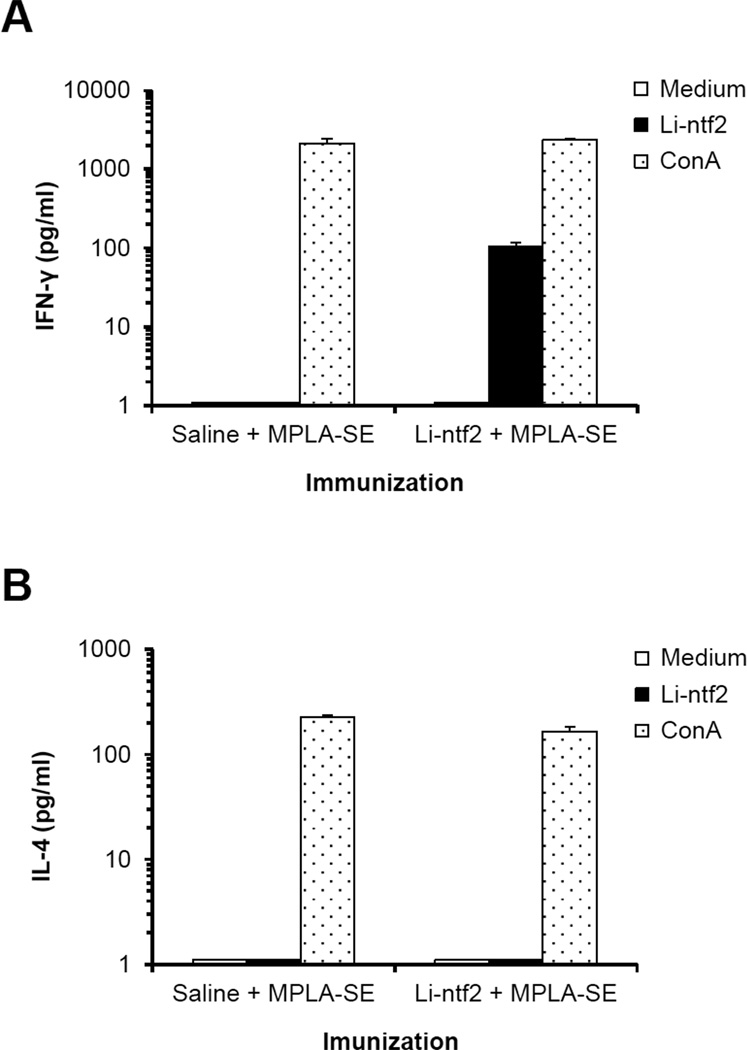
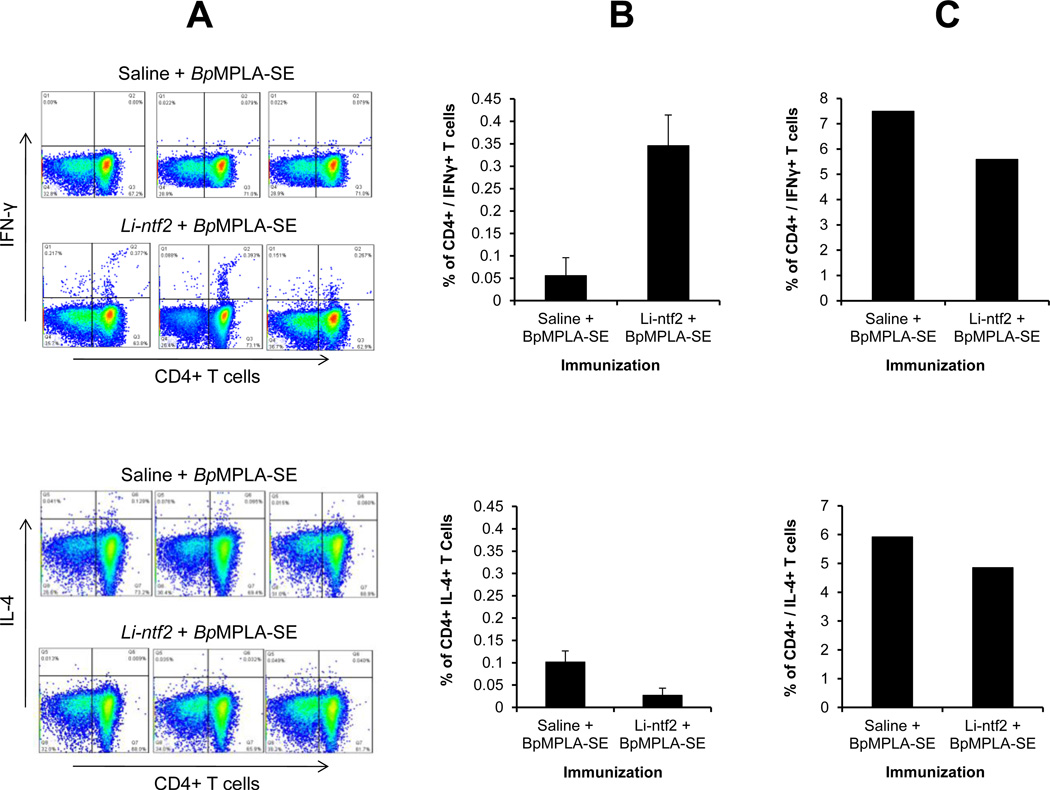
Visceral leishmaniasis (VL) is a serious lethal parasitic disease caused by Leishmania donovani in Asia and by Leishmania infantum chagasi in southern Europe and South America. VL is endemic in 47 countries with an annual incidence estimated to be 500,000 cases. This high incidence is due in part to the lack of an efficacious vaccine. Here, we introduce an innovative approach to directly identify parasite vaccine candidate antigens that are abundantly produced in vivo in humans with VL. We combined RP-HPLC and mass spectrometry and categorized three L. infantum chagasi proteins, presumably produced in spleen, liver and bone marrow lesions and excreted in the patients' urine. Specifically, these proteins were the following: Li-isd1 (XP_001467866.1), Li-txn1 (XP_001466642.1) and Li-ntf2 (XP_001463738.1). Initial vaccine validation studies were performed with the rLi-ntf2 protein produced in Escherichia coli mixed with the adjuvant BpMPLA-SE. This formulation stimulated potent Th1 response in BALB/c mice. Compared to control animals, mice immunized with Li-ntf2+ BpMPLA-SE had a marked parasite burden reduction in spleens at 40 days post-challenge with virulent L. infantum chagasi. These results strongly support the proposed antigen discovery strategy of vaccine candidates to VL and opens novel possibilities for vaccine development to other serious infectious diseases.
内脏利什曼病(VL)是一种由亚洲的杜氏利什曼原虫和南欧及南美洲的恰加斯利什曼原虫引起的严重致命寄生虫病。VL 在 47 个国家流行,年发病率估计为 50 万例。这种高发病率部分归因于缺乏有效的疫苗。在这里,我们介绍了一种创新方法,可直接鉴定在患有 VL 的人体内大量产生的寄生虫候选疫苗抗原。我们结合反相高效液相色谱和质谱,将三种推测在脾、肝和骨髓病变中产生并在患者尿液中排泄的恰加斯利什曼原虫蛋白进行分类。具体而言,这些蛋白如下:Li-isd1(XP_001467866.1)、Li-txn1(XP_001466642.1)和 Li-ntf2(XP_001463738.1)。最初的疫苗验证研究使用在大肠杆菌中产生的 rLi-ntf2 蛋白与佐剂 BpMPLA-SE 混合进行。该制剂在 BALB/c 小鼠中刺激了强烈的 Th1 反应。与对照动物相比,用 Li-ntf2+BpMPLA-SE 免疫的小鼠在感染强毒恰加斯利什曼原虫后 40 天脾脏中的寄生虫负荷明显减少。这些结果强烈支持了针对 VL 的候选疫苗抗原发现策略,并为针对其他严重传染病的疫苗开发开辟了新的可能性。