Institute for Aging and Alzheimer's Disease Research, Department of Pharmacology and Neuroscience, University of North Texas Health Science Center, Fort Worth, Texas, United States of America.
PLoS One. 2012;7(4):e34600. doi: 10.1371/journal.pone.0034600. Epub 2012 Apr 3.
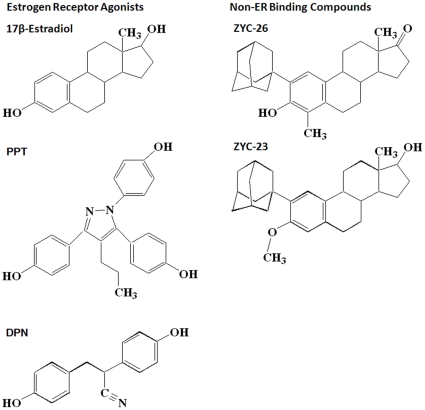
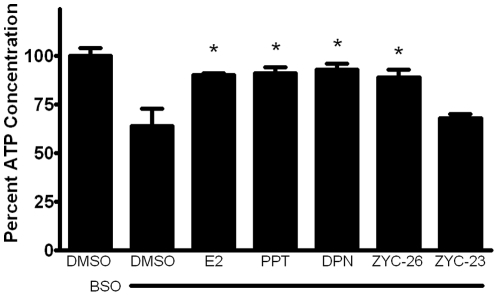
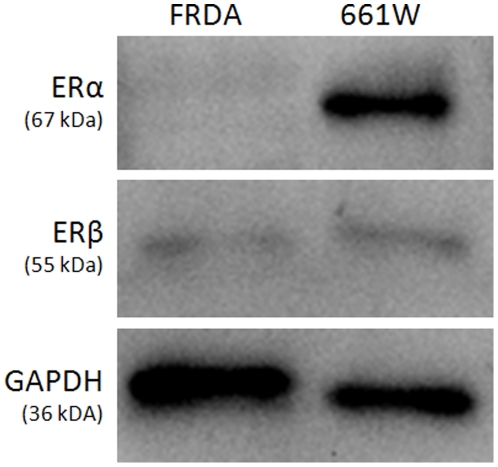
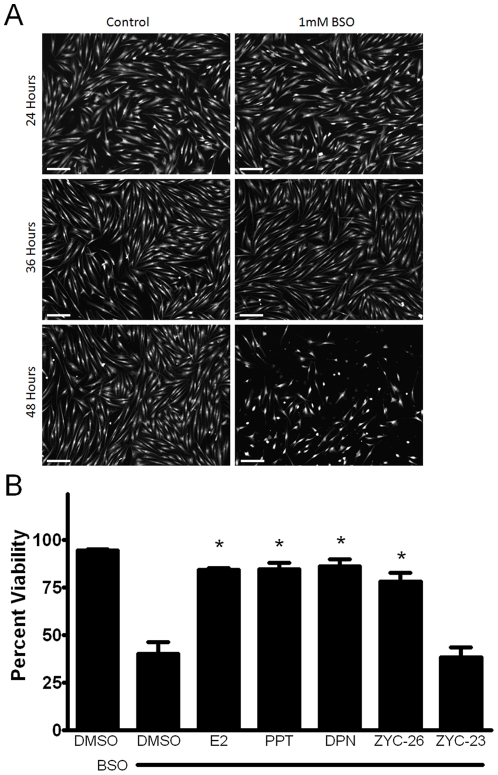
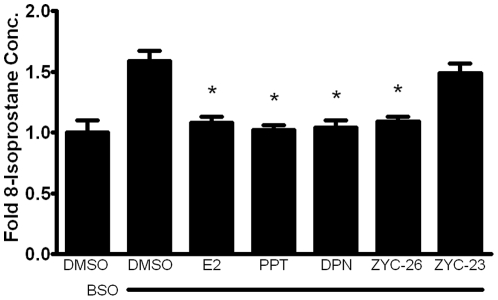
Estrogen and estrogen-related compounds have been shown to have very potent cytoprotective properties in a wide range of disease models, including an in vitro model of Friedreich's ataxia (FRDA). This study describes a potential estrogen receptor (ER)-independent mechanism by which estrogens act to protect human FRDA skin fibroblasts from a BSO-induced oxidative insult resulting from inhibition of de novo glutathione (GSH) synthesis. We demonstrate that phenolic estrogens, independent of any known ER, are able to prevent lipid peroxidation and mitochondrial membrane potential (ΔΨm) collapse, maintain ATP at near control levels, increase oxidative phosphorylation and maintain activity of aconitase. Estrogens did not, however, prevent BSO from depleting GSH or induce an increased expression level of GSH. The cytoprotective effects of estrogen appear to be due to a direct overall reduction in oxidative damage to the mitochondria, enabling the FRDA fibroblast mitochondria to generate sufficient ATP for energy requirements and better survive oxidative stress. These data support the hypothesis that phenol ring containing estrogens are possible candidate drugs for the delay and/or prevention of FRDA symptoms.
雌激素及其相关化合物在多种疾病模型中表现出很强的细胞保护作用,包括弗里德里希共济失调症(FRDA)的体外模型。本研究描述了雌激素通过一种潜在的雌激素受体(ER)非依赖性机制发挥作用,以保护人 FRDA 皮肤成纤维细胞免受 BSO 诱导的氧化应激,BSO 可抑制从头合成谷胱甘肽(GSH)。我们证明了酚类雌激素能够防止脂质过氧化和线粒体膜电位(ΔΨm)崩溃,使 ATP 接近对照水平,增加氧化磷酸化并维持 aconitase 的活性,而与任何已知的 ER 无关。然而,雌激素并不能阻止 BSO 耗尽 GSH 或诱导 GSH 表达水平增加。雌激素的细胞保护作用似乎是由于对线粒体的氧化损伤的直接整体减少,使 FRDA 成纤维细胞线粒体能够产生足够的 ATP 以满足能量需求,并更好地耐受氧化应激。这些数据支持了这样的假设,即含有酚环的雌激素可能是延迟和/或预防 FRDA 症状的候选药物。