Division of Matrix Biology, Department of Medicine, Beth Israel Deaconess Medical Center, Harvard Medical School, Boston, MA 02215, USA.
Semin Cancer Biol. 2012 Oct;22(5-6):379-84. doi: 10.1016/j.semcancer.2012.04.004. Epub 2012 Apr 23.
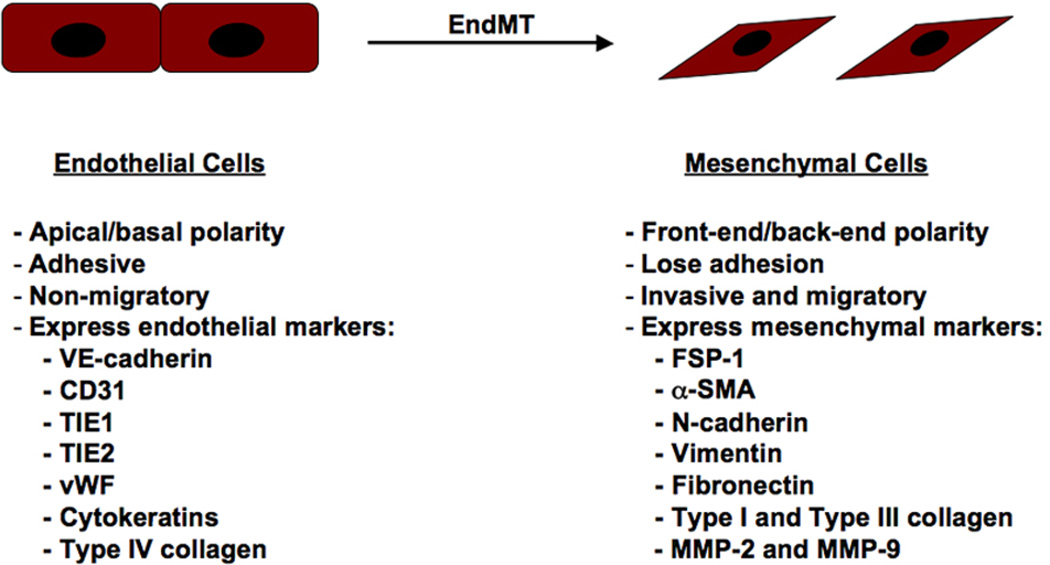
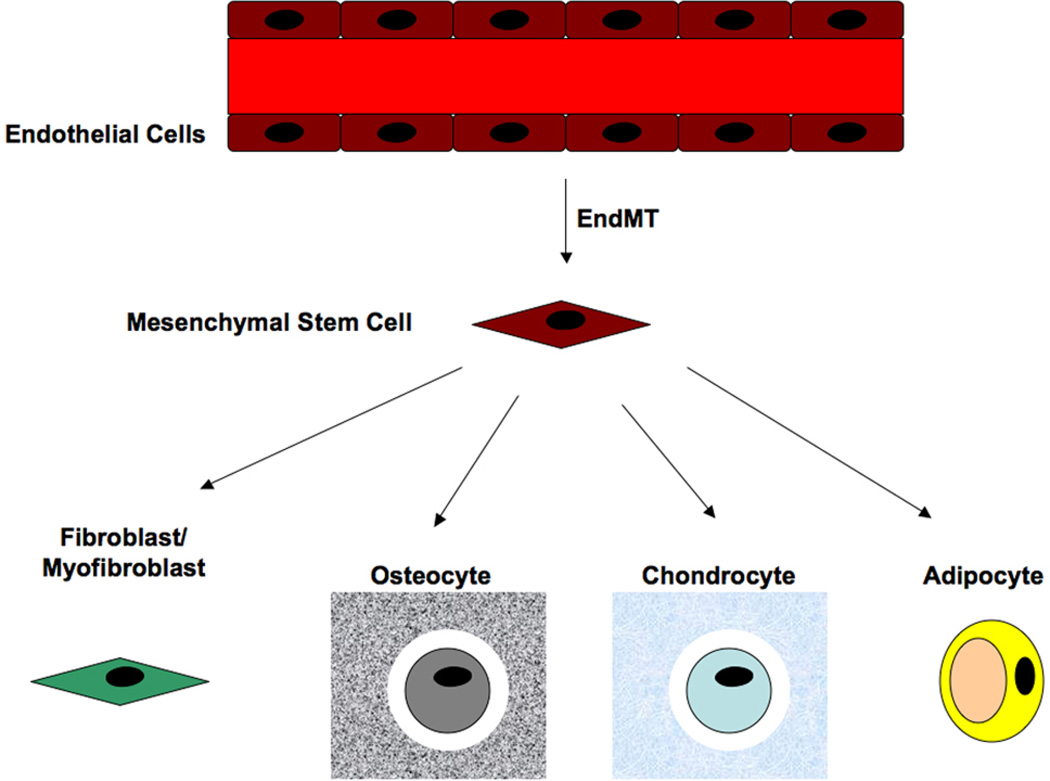
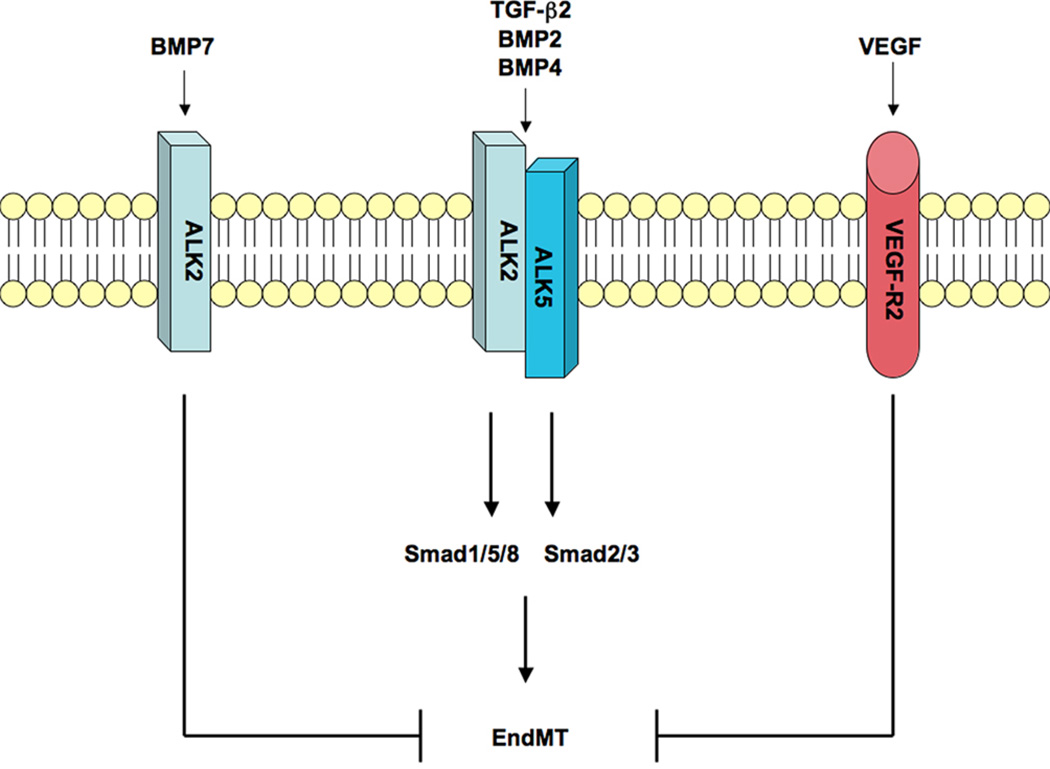
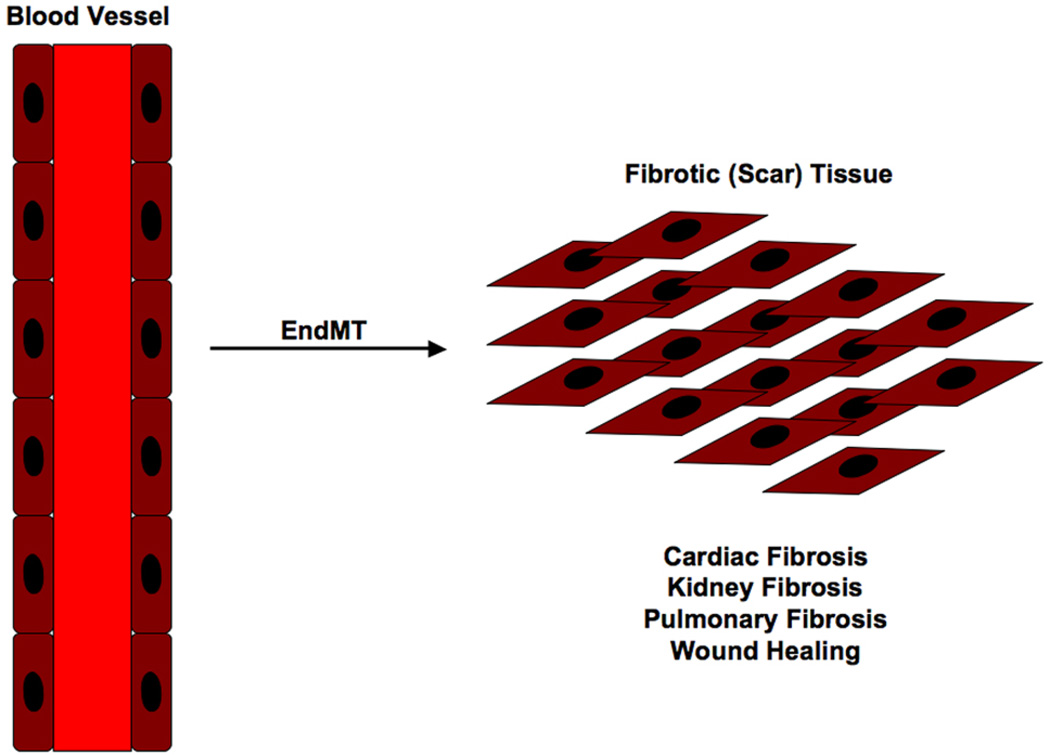
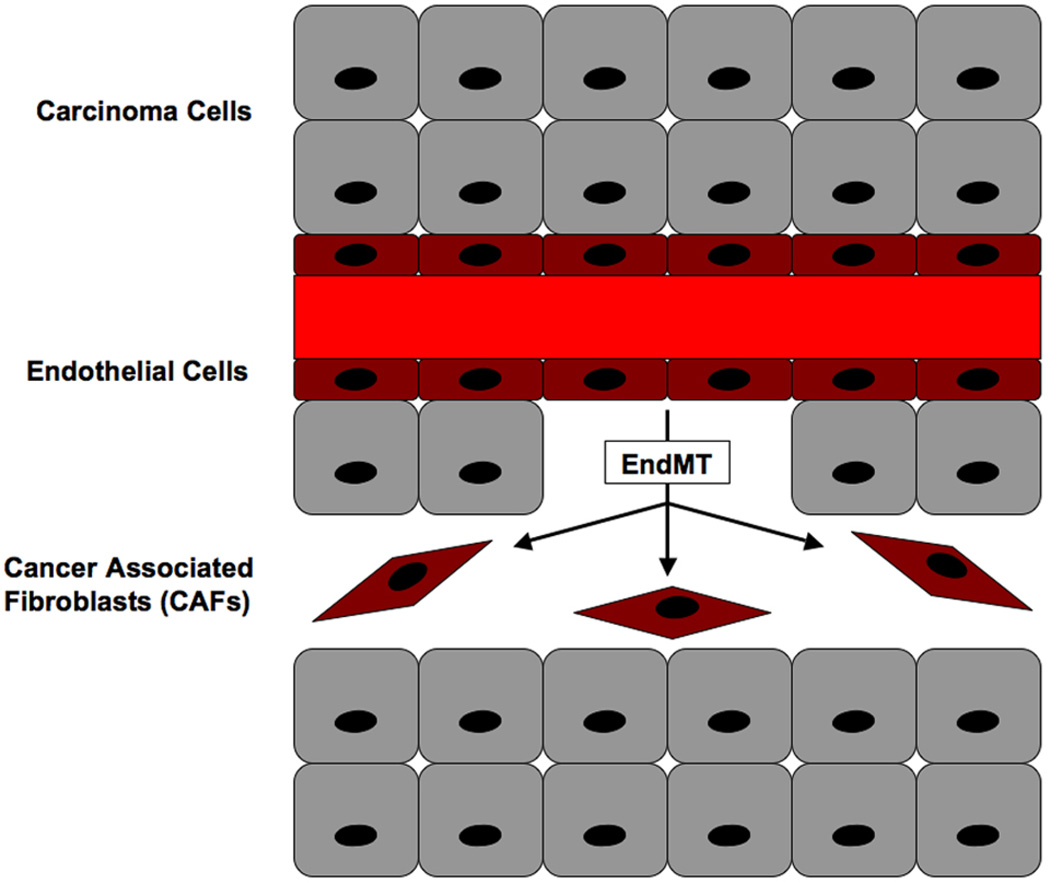
Vascular endothelial cells can demonstrate considerable plasticity to generate other cell types during embryonic development and disease progression. This process occurs through a cell differentiation mechanism known as endothelial-mesenchymal transition (EndMT). The generation of mesenchymal cells from endothelium is a crucial step in endothelial cell differentiation to several lineages including fibroblasts, myofibroblasts, mural cells, osteoblasts, chondrocytes, and adipocytes. Such differentiation patterns have been observed in systems of cardiac development, fibrosis, diabetic nephropathy, heterotopic ossification and cancer. Here we describe the EndMT program and discuss the current evidence of EndMT-mediated acquisition of stem cell characteristics and multipotent differentiation capabilities.
血管内皮细胞在胚胎发育和疾病进展过程中,可以通过一种称为内皮-间充质转化(EndMT)的细胞分化机制,显示出相当大的可塑性,生成其他细胞类型。内皮细胞向间质细胞的转化是内皮细胞向包括成纤维细胞、肌成纤维细胞、壁细胞、成骨细胞、软骨细胞和脂肪细胞在内的多个谱系分化的关键步骤。这种分化模式在心脏发育、纤维化、糖尿病肾病、异位骨化和癌症等系统中都有观察到。本文描述了 EndMT 程序,并讨论了目前关于 EndMT 介导获得干细胞特征和多能分化能力的证据。