The Key Lab of Brain Functional Genomics (MOE), Institute of Cognitive Neuroscience, School of Psychology and Cognitive Science, East China Normal University, Shanghai, China.
PLoS One. 2012;7(5):e36410. doi: 10.1371/journal.pone.0036410. Epub 2012 May 4.
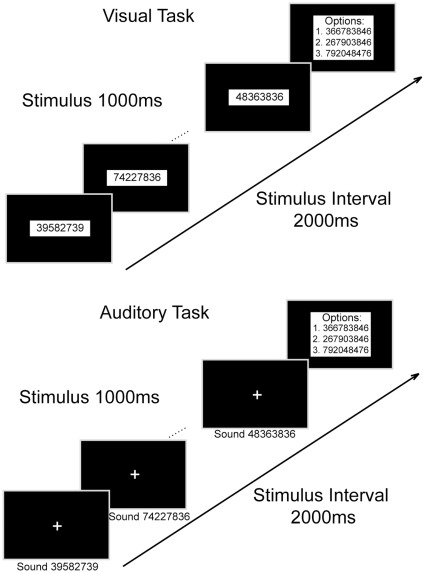
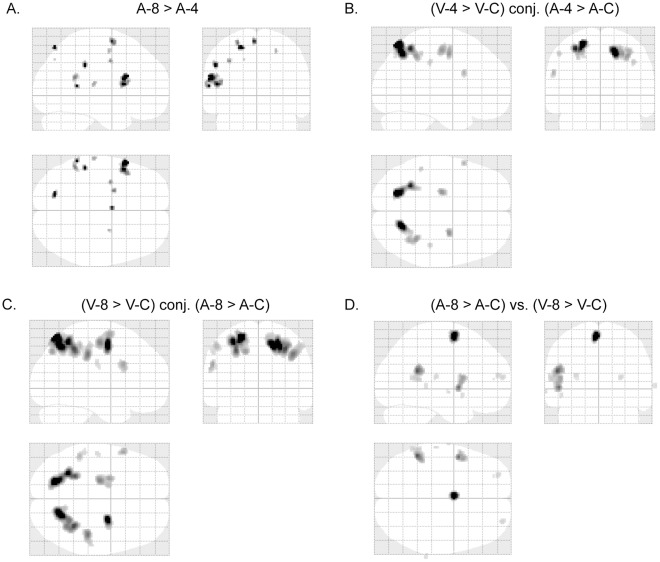
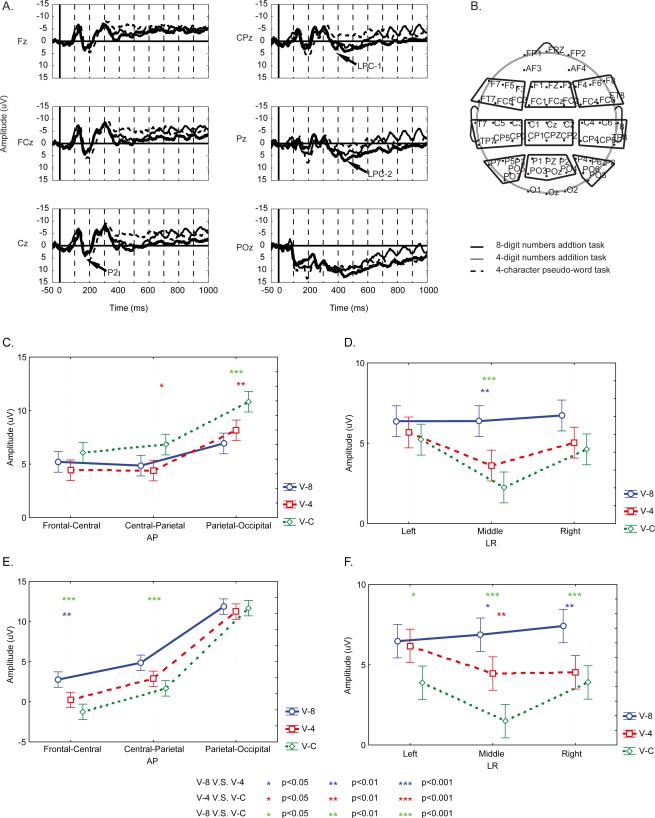
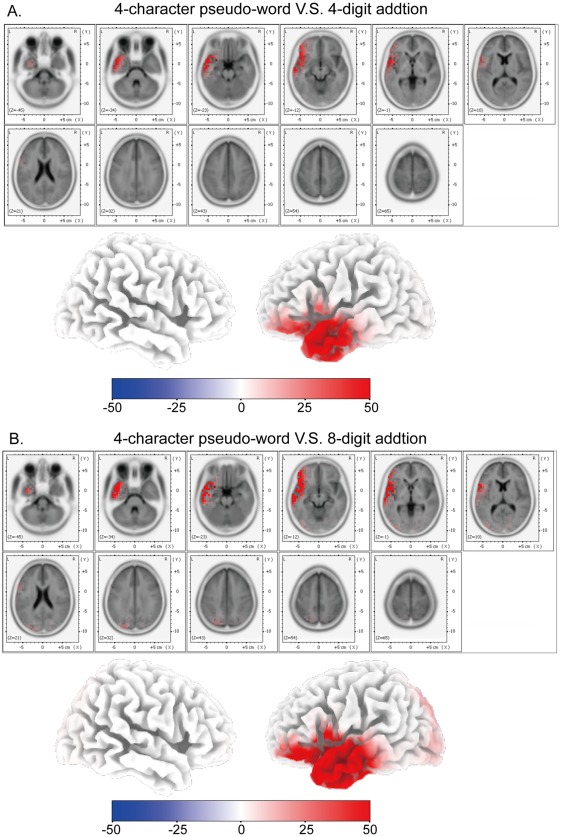
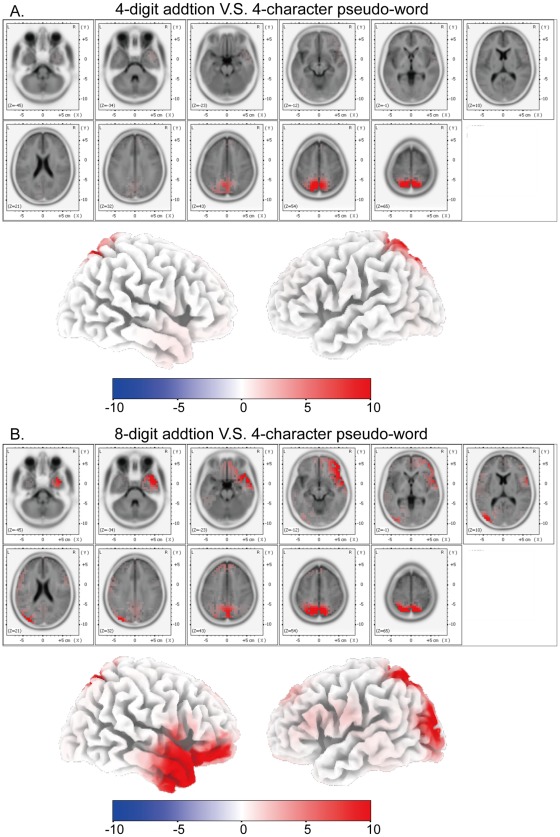
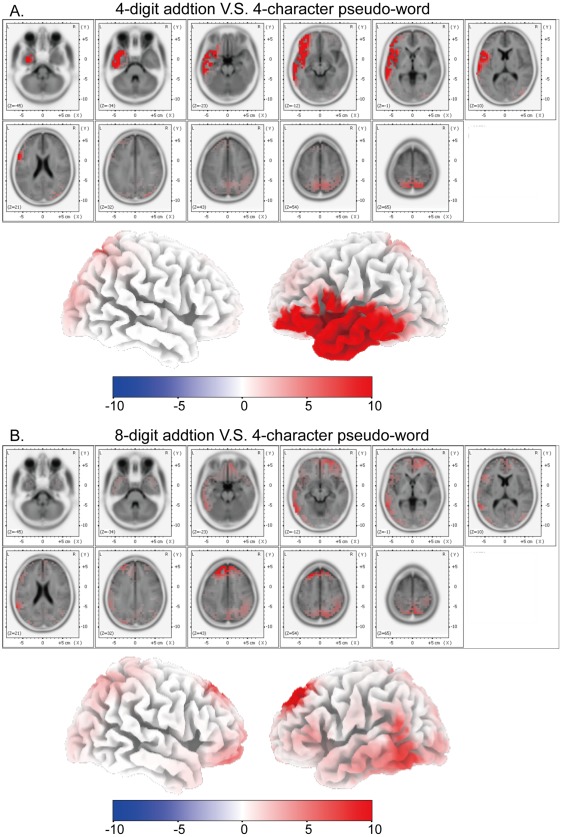
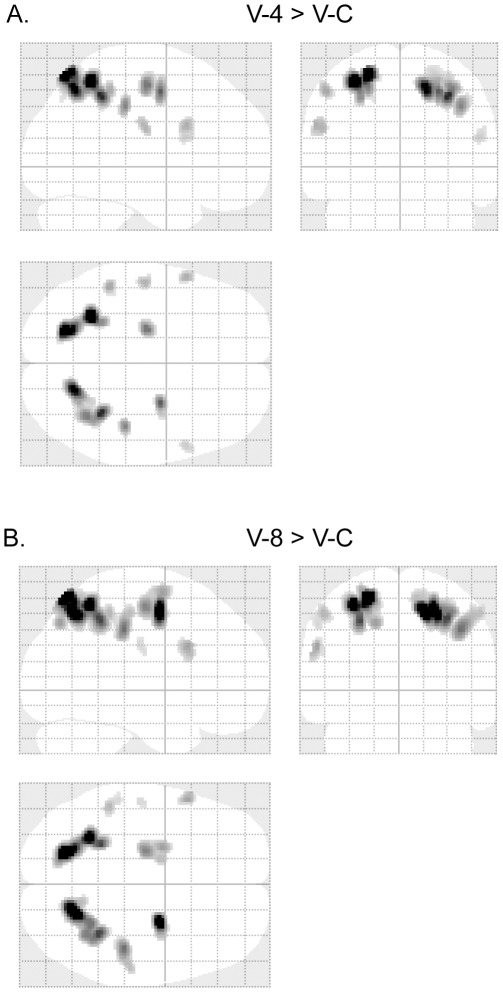
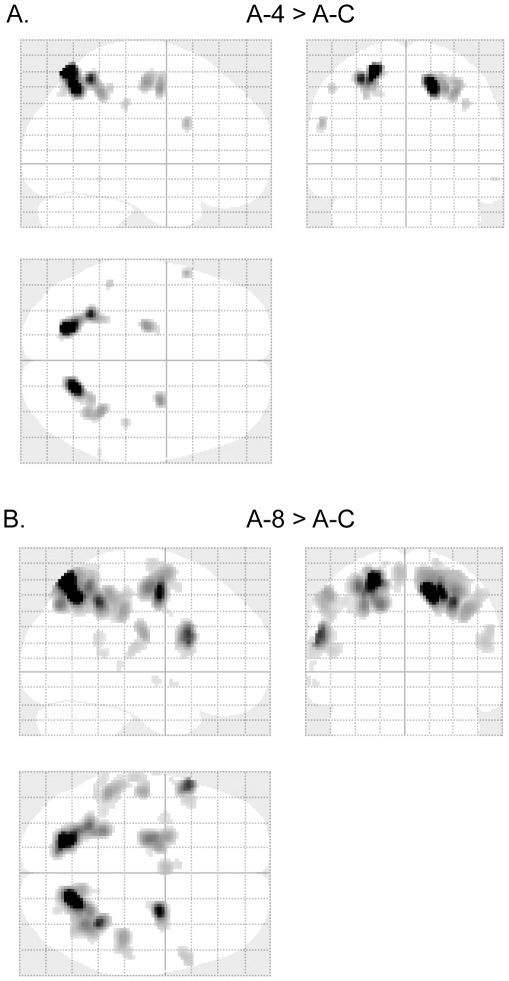
Abacus experts are able to mentally calculate multi-digit numbers rapidly. Some behavioral and neuroimaging studies have suggested a visuospatial and visuomotor strategy during abacus mental calculation. However, no study up to now has attempted to dissociate temporally the visuospatial neural process from the visuomotor neural process during abacus mental calculation. In the present study, an abacus expert performed the mental addition tasks (8-digit and 4-digit addends presented in visual or auditory modes) swiftly and accurately. The 100% correct rates in this expert's task performance were significantly higher than those of ordinary subjects performing 1-digit and 2-digit addition tasks. ERPs, EEG source localizations, and fMRI results taken together suggested visuospatial and visuomotor processes were sequentially arranged during the abacus mental addition with visual addends and could be dissociated from each other temporally. The visuospatial transformation of the numbers, in which the superior parietal lobule was most likely involved, might occur first (around 380 ms) after the onset of the stimuli. The visuomotor processing, in which the superior/middle frontal gyri were most likely involved, might occur later (around 440 ms). Meanwhile, fMRI results suggested that neural networks involved in the abacus mental addition with auditory stimuli were similar to those in the visual abacus mental addition. The most prominently activated brain areas in both conditions included the bilateral superior parietal lobules (BA 7) and bilateral middle frontal gyri (BA 6). These results suggest a supra-modal brain network in abacus mental addition, which may develop from normal mental calculation networks.
珠心算专家能够快速地在头脑中计算多位数字。一些行为和神经影像学研究表明,在珠心算过程中存在一种视空间和视动策略。然而,到目前为止,还没有研究试图在时间上区分珠心算过程中的视空间神经过程和视动神经过程。在本研究中,一位珠心算专家快速准确地完成了心算加法任务(8 位和 4 位加数以视觉或听觉模式呈现)。该专家在任务表现中的 100%正确率明显高于普通受试者完成 1 位和 2 位加法任务的正确率。ERP、EEG 源定位和 fMRI 结果表明,在视觉加数的珠心算加法中,视空间和视动过程是按顺序排列的,可以在时间上彼此分离。数字的视空间转换,可能涉及顶叶上回,首先发生(刺激开始后约 380ms)。视动加工,可能涉及额上/中回,随后发生(刺激开始后约 440ms)。同时,fMRI 结果表明,听觉刺激下的珠心算加法涉及的神经网络与视觉珠心算加法相似。两种条件下最活跃的大脑区域包括双侧顶叶上回(BA7)和双侧额中回(BA6)。这些结果表明,珠心算加法涉及一个超模态的大脑网络,它可能是从正常的心算网络发展而来的。