Department of Pediatrics, Children's Nutrition Research Center, Baylor College of Medicine Houston, TX, USA.
Front Endocrinol (Lausanne). 2012 Jan 4;2:98. doi: 10.3389/fendo.2011.00098. eCollection 2011.
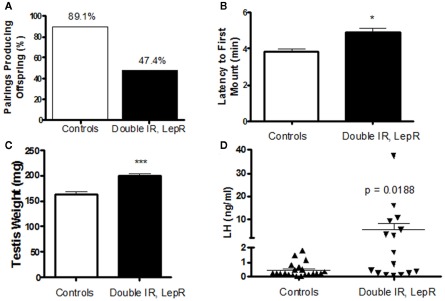
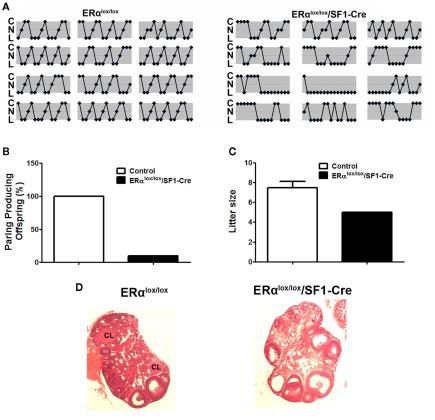
Energy homeostasis and reproduction require tight coordination, but the mechanisms underlying their interaction are not fully understood. Two sets of hypothalamic neurons, namely pro-opiomelanocortin (POMC) neurons in the arcuate nucleus and steroidogenic factor-1 (SF1) neurons in the ventromedial hypothalamic nucleus, are emerging as critical nodes where metabolic and reproductive signals communicate. This view is supported by recent genetic studies showing that disruption of metabolic signals (e.g., leptin and insulin) or reproductive signals (e.g., estradiol) in these neurons leads to impaired regulation of both energy homeostasis and fertility. In this review, we will examine the potential mechanisms of neuronal communication between POMC, SF1, and gonadotropin-releasing hormone neurons in the regulation of metabolism and reproduction.
能量平衡和生殖需要紧密协调,但它们相互作用的机制尚不完全清楚。两组下丘脑神经元,即弓状核中的促阿黑皮素原(POMC)神经元和腹内侧下丘脑核中的类固醇生成因子 1(SF1)神经元,作为代谢和生殖信号交流的关键节点正在出现。最近的遗传研究支持这一观点,这些研究表明,这些神经元中代谢信号(例如瘦素和胰岛素)或生殖信号(例如雌二醇)的破坏会导致能量平衡和生育能力的调节受损。在这篇综述中,我们将研究 POMC、SF1 和促性腺激素释放激素神经元之间神经元通讯的潜在机制,以调节代谢和生殖。