Department of Chemistry, Lomonosov Moscow State University.
Acta Naturae. 2011 Jul;3(3):12-28.
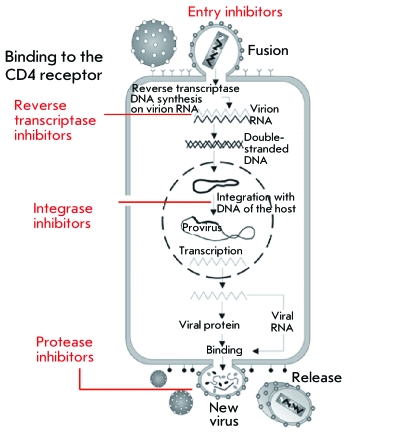
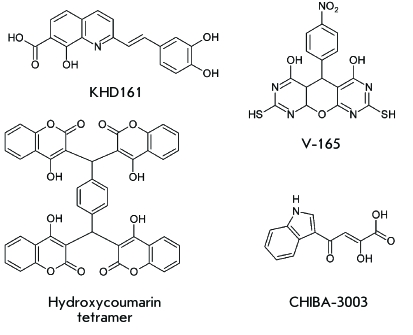
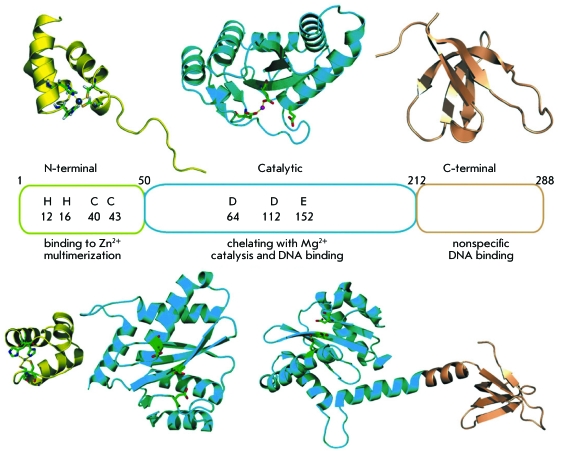
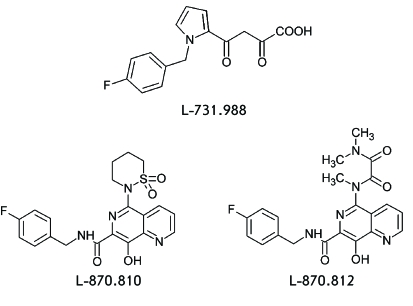
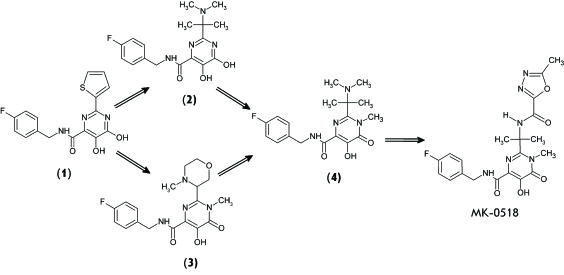
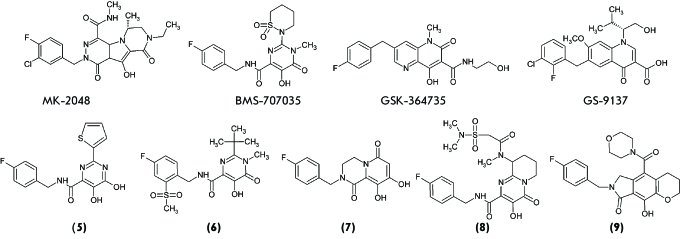
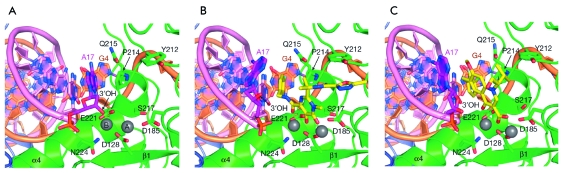
The HIV-1 integrase enzyme is responsible for one of the key stages of retroviral replication; it acts as a catalyst for the integration of viral cDNA into the cell's genome. Inhibitors of HIV-1 integration have been under development for over 10 years; yet, only one integration inhibitor, raltegravir, has been approved for clinical use so far. Raltegravir binds two metal ions in the enzyme's active centre and blocks one of the integration stages: the strand transfer. Unfortunately, the clinical use of raltegravir results in the development of viral resistance among some patients. Several more HIV-1 integration inhibitors are undergoing clinical trials at the moment. However, the structure and mechanism of action of those are similar to raltegravir, which results in the emergence of cross resistance with raltegravir. The present review is focused on the history of the development and clinical trials of raltegravir and its analogues, the problems connected with the emergence of viral resistance to integration inhibitors, and the prospect of their future clinical use.
HIV-1 整合酶负责逆转录病毒复制的关键阶段之一;它作为病毒 cDNA 整合到细胞基因组中的催化剂。HIV-1 整合抑制剂的开发已经超过 10 年;然而,迄今为止,只有一种整合抑制剂,raltegravir,被批准用于临床使用。raltegravir 结合酶活性中心的两个金属离子,并阻断整合阶段之一:链转移。不幸的是,raltegravir 的临床应用导致一些患者出现病毒耐药性。目前,还有几种 HIV-1 整合抑制剂正在进行临床试验。然而,这些抑制剂的结构和作用机制与 raltegravir 相似,导致与 raltegravir 出现交叉耐药性。本综述重点介绍了 raltegravir 及其类似物的开发和临床试验历史、与整合抑制剂耐药性相关的问题,以及它们未来临床应用的前景。