Institute of Metabolic Science, University of Cambridge Metabolic Research Laboratories Cambridge, UK.
Front Endocrinol (Lausanne). 2011 Mar 29;2:8. doi: 10.3389/fendo.2011.00008. eCollection 2011.
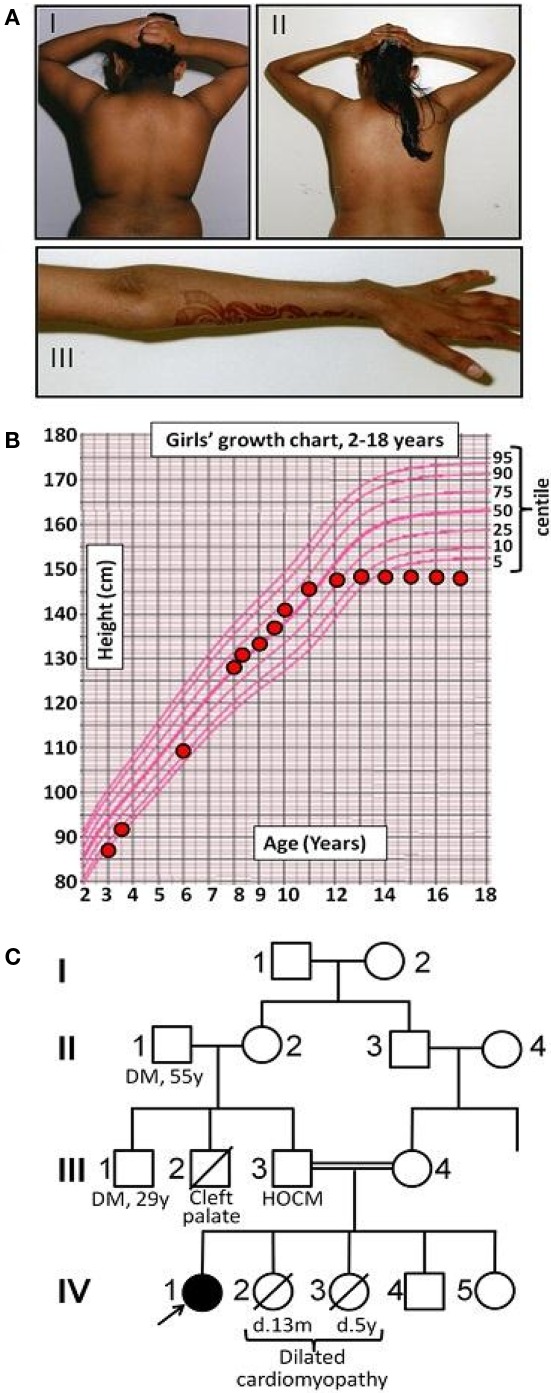
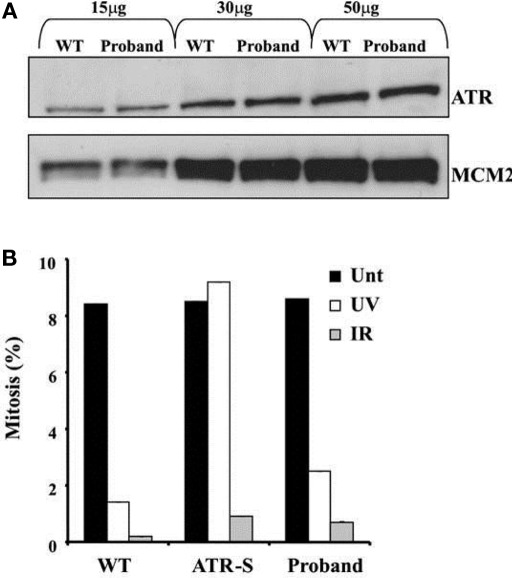
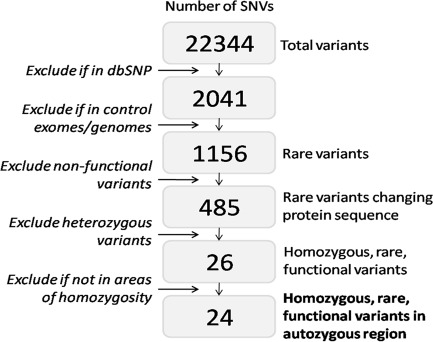
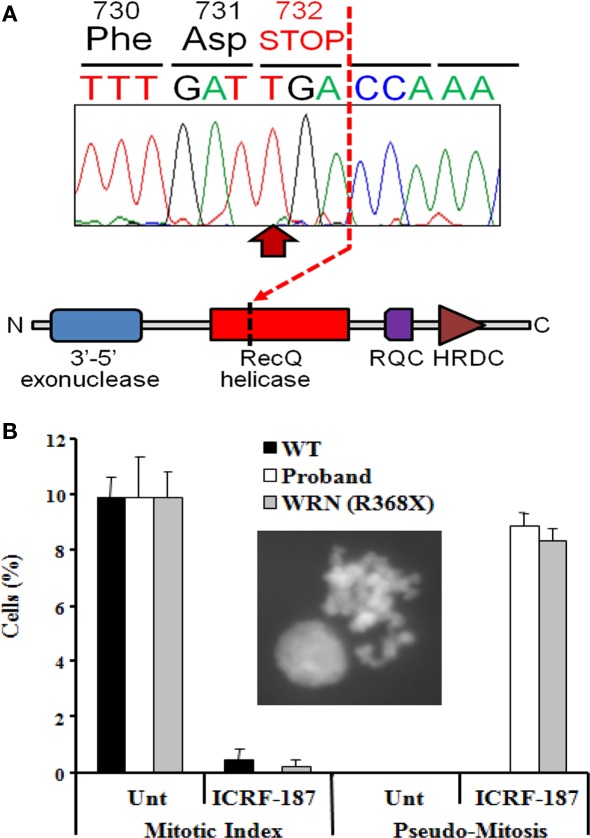
Genetic diagnosis of inherited metabolic disease is conventionally achieved through syndrome recognition and targeted gene sequencing, but many patients receive no specific diagnosis. Next-generation sequencing allied to capture of expressed sequences from genomic DNA now offers a powerful new diagnostic approach. Barriers to routine diagnostic use include cost, and the complexity of interpreting results arising from simultaneous identification of large numbers of variants. We applied exome-wide sequencing to an individual, 16-year-old daughter of consanguineous parents with a novel syndrome of short stature, severe insulin resistance, ptosis, and microcephaly. Pulldown of expressed sequences from genomic DNA followed by massively parallel sequencing was undertaken. Single nucleotide variants were called using SAMtools prior to filtering based on sequence quality and existence in control genomes and exomes. Of 485 genetic variants predicted to alter protein sequence and absent from control data, 24 were homozygous in the patient. One mutation - the p.Arg732X mutation in the WRN gene - has previously been reported in Werner's syndrome (WS). On re-evaluation of the patient several early features of WS were detected including loss of fat from the extremities and frontal hair thinning. Lymphoblastoid cells from the proband exhibited a defective decatenation checkpoint, consistent with loss of WRN activity. We have thus diagnosed WS some 15 years earlier than average, permitting aggressive prophylactic therapy and screening for WS complications, illustrating the potential of exome-wide sequencing to achieve early diagnosis and change management of rare autosomal recessive disease, even in individual patients of consanguineous parentage with apparently novel syndromes.
遗传性代谢疾病的基因诊断传统上是通过综合征识别和靶向基因测序来实现的,但许多患者仍无法得到明确诊断。新一代测序技术与从基因组 DNA 中捕获表达序列的方法相结合,为诊断提供了强大的新方法。常规诊断应用的障碍包括成本和解释结果的复杂性,这些结果源于同时识别大量变体。我们将外显子组测序应用于一名 16 岁的女性,她是一对近亲父母的女儿,患有新的矮小症、严重胰岛素抵抗、上睑下垂和小头畸形综合征。从基因组 DNA 中进行表达序列的下拉,然后进行大规模平行测序。使用 SAMtools 对单核苷酸变异进行调用,然后根据序列质量和在对照基因组和外显子中的存在进行过滤。在预测会改变蛋白质序列且不存在于对照数据中的 485 个遗传变异中,有 24 个在患者中是纯合的。一种突变——WRN 基因中的 p.Arg732X 突变——以前曾在 Werner 综合征(WS)中报道过。在重新评估患者时,发现了几个 WS 的早期特征,包括四肢脂肪减少和额部头发稀疏。来自先证者的淋巴母细胞显示出有缺陷的链间交联检查点,这与 WRN 活性的丧失一致。因此,我们比平均水平提前约 15 年诊断出 WS,这允许进行积极的预防性治疗和筛查 WS 并发症,说明了外显子组测序在实现罕见常染色体隐性疾病的早期诊断和改变管理方面的潜力,即使是在具有明显新综合征的近亲父母的个体患者中也是如此。