Ecology and Evolutionary Biology, University of Toronto, Toronto, Ontario, Canada.
PLoS One. 2012;7(5):e37223. doi: 10.1371/journal.pone.0037223. Epub 2012 May 24.
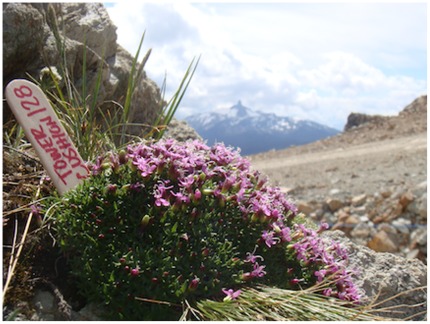
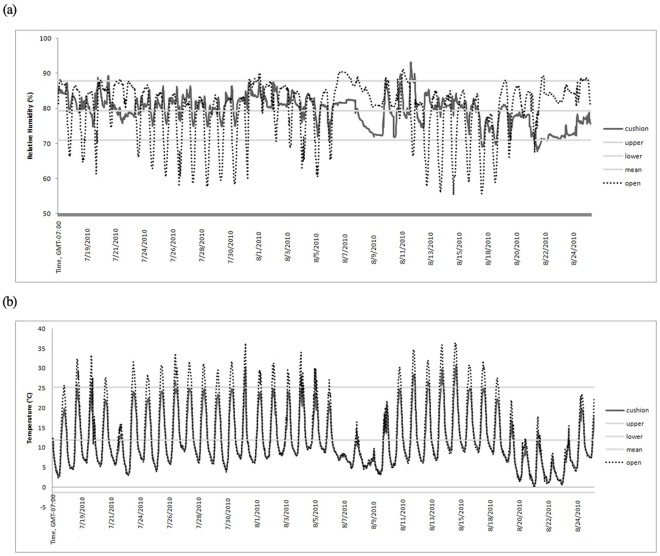
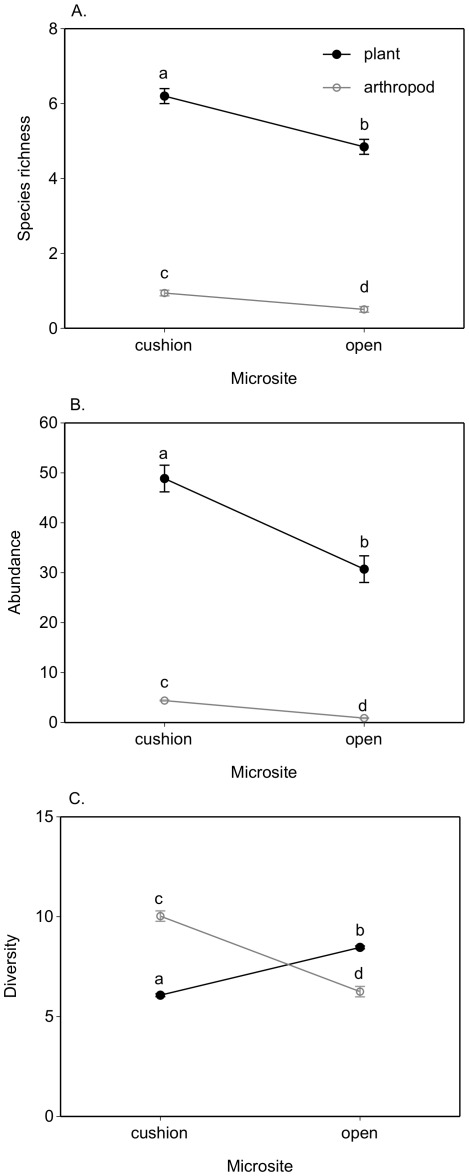
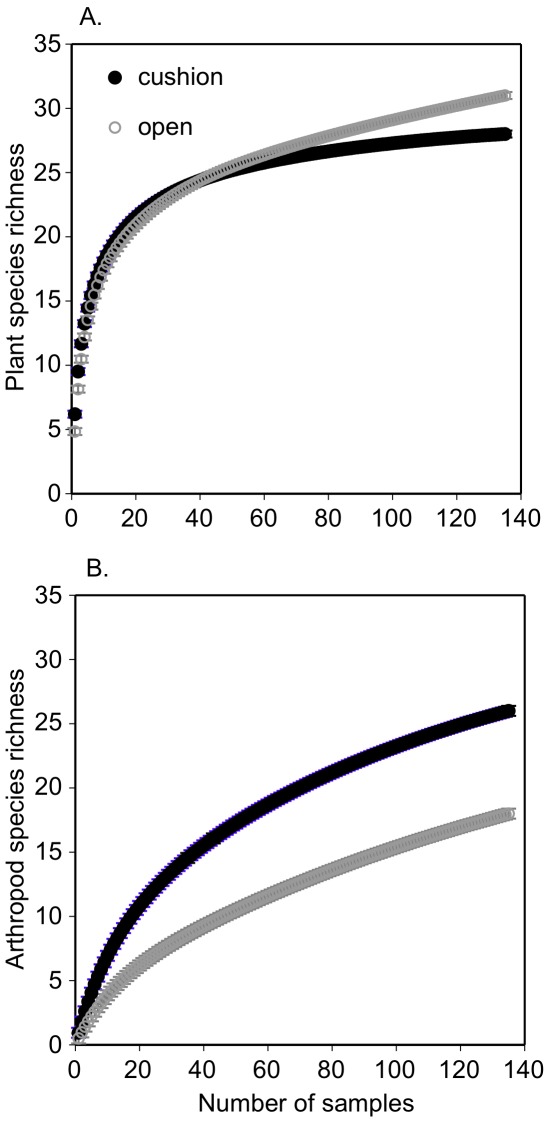
Alpine ecosystems are important globally with high levels of endemic and rare species. Given that they will be highly impacted by climate change, understanding biotic factors that maintain diversity is critical. Silene acaulis is a common alpine nurse plant shown to positively influence the diversity and abundance of organisms--predominantly other plant species. The hypothesis that cushion or nurse plants in general are important to multiple trophic levels has been proposed but rarely tested. Alpine arthropod diversity is also largely understudied worldwide, and the plant-arthropod interactions reported are mostly negative, that is,. herbivory. Plant and arthropod diversity and abundance were sampled on S. acaulis and at paired adjacent microsites with other non-cushion forming vegetation present on Whistler Mountain, B.C., Canada to examine the relative trophic effects of cushion plants. Plant species richness and abundance but not Simpson's diversity index was higher on cushion microsites relative to other vegetation. Arthropod richness, abundance, and diversity were all higher on cushion microsites relative to other vegetated sites. On a microclimatic scale, S. acaulis ameliorated stressful conditions for plants and invertebrates living inside it, but the highest levels of arthropod diversity were observed on cushions with tall plant growth. Hence, alpine cushion plants can be foundation species not only for other plant species but other trophic levels, and these impacts are expressed through both direct and indirect effects associated with altered environmental conditions and localized productivity. Whilst this case study tests a limited subset of the membership of alpine animal communities, it clearly demonstrates that cushion-forming plant species are an important consideration in understanding resilience to global changes for many organisms in addition to other plants.
高山生态系统在全球范围内具有重要意义,拥有高水平的特有种和稀有物种。鉴于它们将受到气候变化的严重影响,了解维持多样性的生物因素至关重要。阿尔卑斯山的高山护士植物拟南芥被证明可以积极影响生物多样性和丰富度,主要是其他植物物种。普遍认为垫状或护士植物对多个营养级都很重要,这一假说已被提出,但很少得到验证。全球范围内对高山节肢动物多样性的研究也很少,报告的植物-节肢动物相互作用大多是负面的,即草食性。在加拿大不列颠哥伦比亚省惠斯勒山,我们在拟南芥和配对的相邻微生境上取样,同时在那里还存在其他非垫状形成植被,以研究垫状植物对植物和节肢动物多样性和丰富度的相对营养影响。与其他植被相比,垫状微生境上的植物物种丰富度和丰度较高,但 Simpson 多样性指数较低。与其他植被相比,垫状微生境上的节肢动物丰富度、丰度和多样性都较高。在微观气候尺度上,拟南芥改善了生活在其内部的植物和无脊椎动物的胁迫条件,但在有高大植物生长的垫状上观察到了最高水平的节肢动物多样性。因此,高山垫状植物不仅是其他植物物种,而且是其他营养级别的基础物种,这些影响通过与环境条件改变和局部生产力相关的直接和间接影响来表达。虽然本案例研究测试了高山动物群落的有限子集,但它清楚地表明,除了其他植物外,形成垫状的植物物种是理解许多生物对全球变化的恢复能力的一个重要考虑因素。