Department of Orthopedics, Leiden University Medical Center, J11-R70, PO Box 9600, 2300 RC, Leiden, The Netherlands.
Int Orthop. 2012 Aug;36(8):1661-8. doi: 10.1007/s00264-012-1587-5. Epub 2012 Jun 12.
The objective of this study was to evaluate success and complication rates of the Pavlik harness in late-diagnosed hip dislocation (developmental dysplasia of the hip, DDH). We also set out to assess the additional value of an abduction brace for three to six months, when successful reduction using the Pavlik harness was achieved.
We included 31 patients (31 hips, 28 female, right/left = 4/27) with late-diagnosed hip dislocation treated with a Pavlik harness between 1995 and 2008. The average age at the start treatment was 27 weeks (21-57). None were lost to follow-up; the mean follow-up was 4.2 years (two-10). Of these patients, 61 % were classified as Tönnis type 2, 32 % as type 3 and 7 % as type 4.
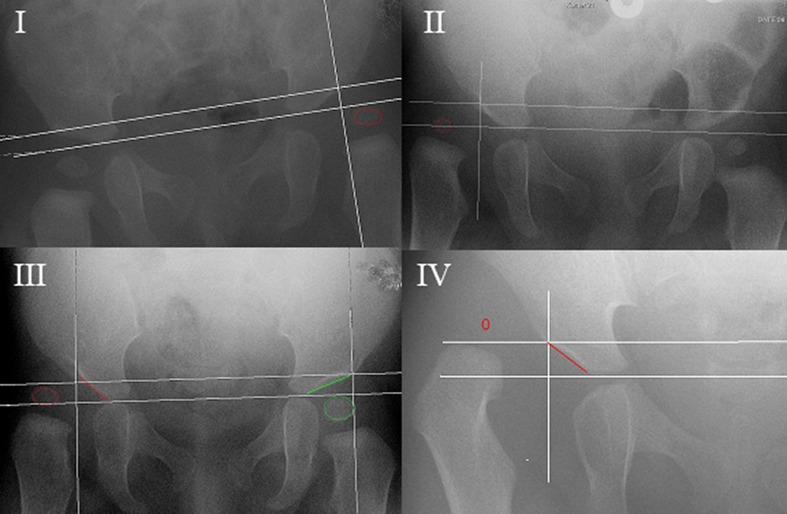
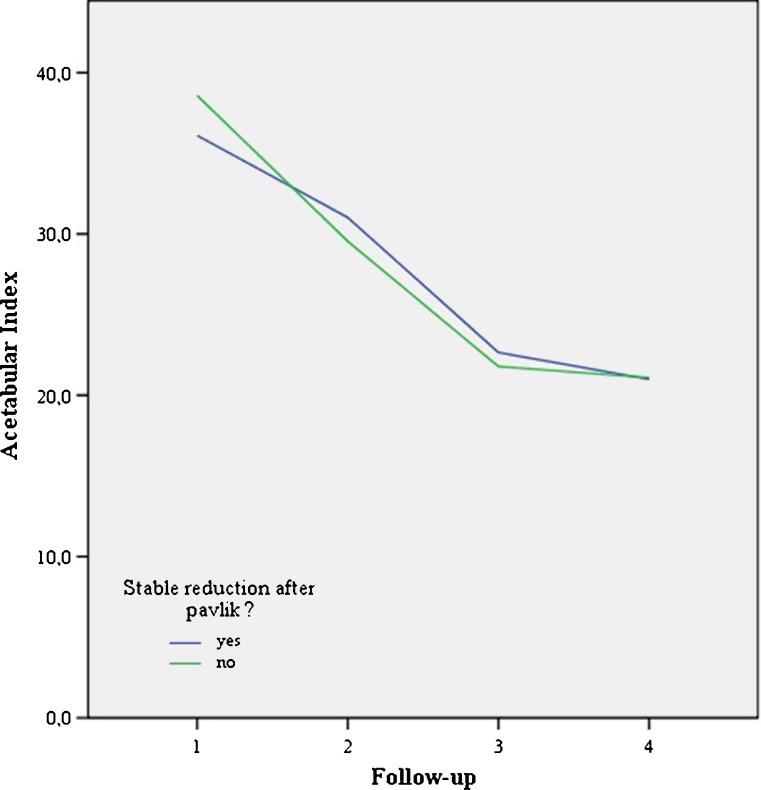
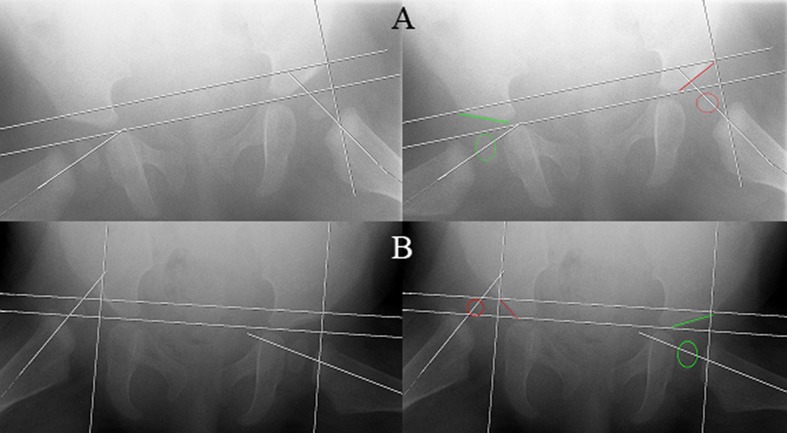
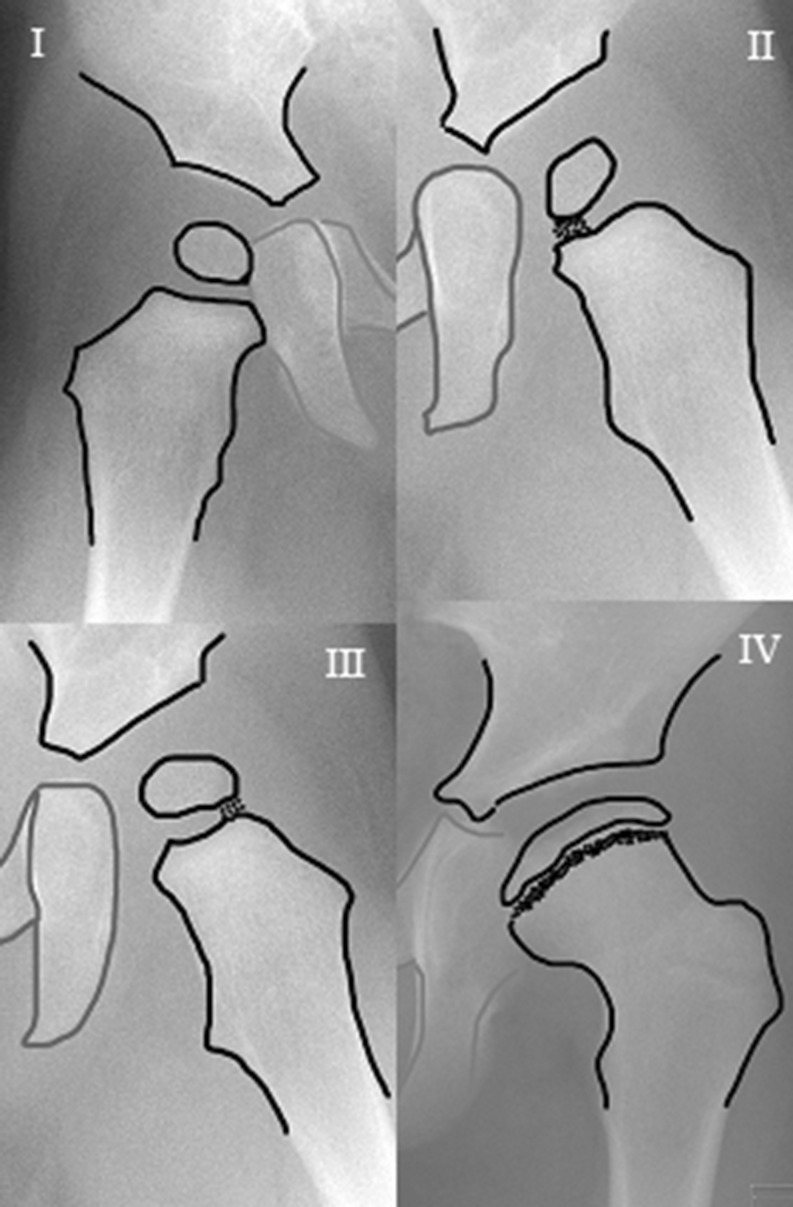
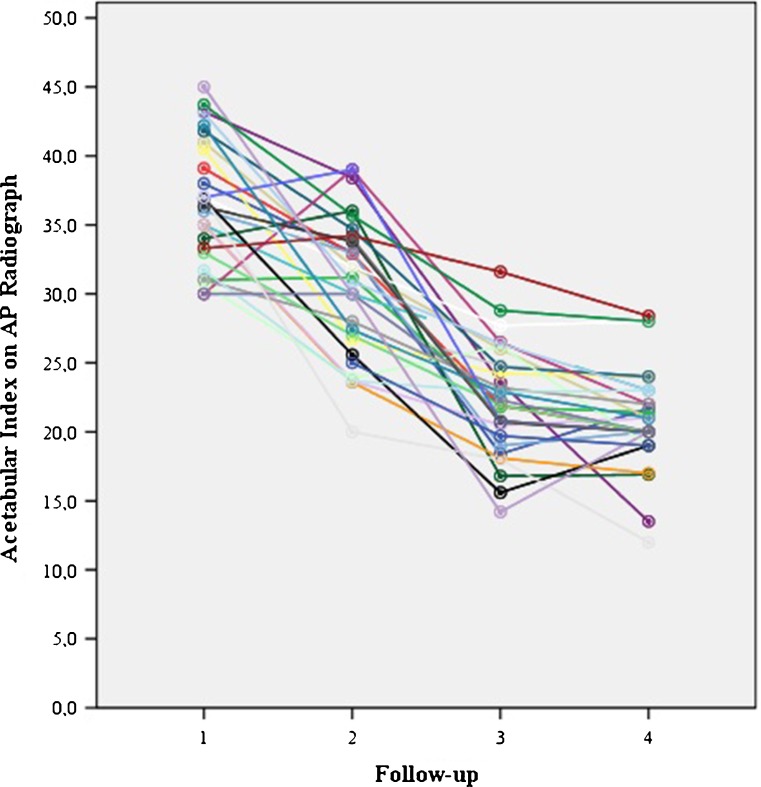
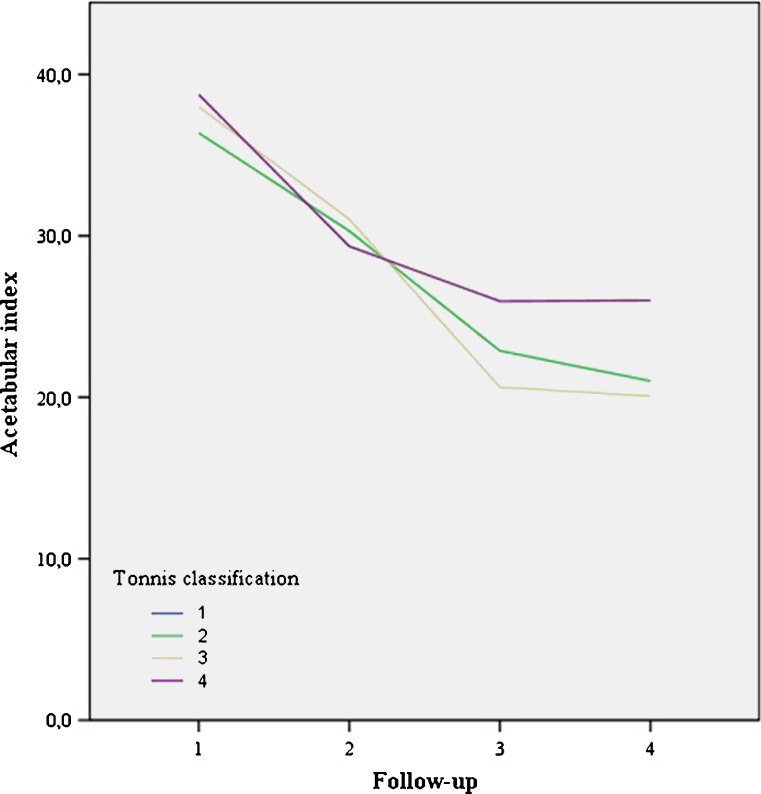
Of 31 hips, 20 (65 %) were successfully reduced after the use of the Pavlik harness. The average duration of Pavlik treatment was seven weeks (three-12). The mean time to stable reduction was six weeks (three-11), after which the patients were weaned off the Pavlik harness. The mean age at final treatment was 19 months (12-28). Five patients (15.0 %) developed radiological signs of osteonecrosis (Kalamchi and MacEwen classification; two group I, one group II and two group IV). When we compared the different Tönnis types a significant difference in successful reduction was found. Seventeen (81 %) of Tönnis type 2 dislocated hips were successfully reduced, while only two (25 %) of Tönnis type 3-4 hips were (odds ratio 25, p = 0.001). Clinical examination (e.g. limited abduction, positive Ortolani, Barlow or Galeazzi) at the time of diagnosis was not significantly related to the success rate of the Pavlik treatment. The mean acetabular index (AI) significantly improved from 36.5 to 30.5° after initial Pavlik treatment to 22.3° at final follow-up (4.1 years).
Prolonged use of the Pavlik harness in late-diagnosed hip dislocation (DDH) Tönnis type <3 is a safe and successful treatment option in the older infant. Although the AI was significantly reduced after the abduction brace, its additional use remains debatable, as no control group was evaluated.
本研究旨在评估延迟诊断的髋关节脱位(发育性髋关节发育不良,DDH)中 Pavlik 吊带的成功率和并发症发生率。我们还评估了在使用 Pavlik 吊带成功复位后,使用外展支具 3-6 个月的额外价值。
我们纳入了 1995 年至 2008 年间使用 Pavlik 吊带治疗的 31 例(31 髋,28 例女性,右侧/左侧=4/27)延迟诊断的髋关节脱位患者。开始治疗时的平均年龄为 27 周(21-57 周)。无失访病例,平均随访时间为 4.2 年(2-10 年)。这些患者中,61%为 Tönnis 2 型,32%为 3 型,7%为 4 型。
31 髋中,20 髋(65%)经 Pavlik 吊带治疗后成功复位。Pavlik 治疗的平均持续时间为 7 周(3-12 周)。稳定复位的平均时间为 6 周(3-11 周),此后患者逐渐停用 Pavlik 吊带。最终治疗时的平均年龄为 19 个月(12-28 个月)。5 例(15.0%)出现放射性骨坏死的迹象(Kalamchi 和 MacEwen 分类;2 例 I 型,1 例 II 型,2 例 IV 型)。当我们比较不同的 Tönnis 类型时,发现复位成功率有显著差异。17 例(81%)Tönnis 2 型髋关节脱位成功复位,而 3-4 型 Tönnis 髋关节仅 2 例(25%)成功复位(比值比 25,p=0.001)。诊断时的临床检查(如外展受限、Ortolani、Barlow 或 Galeazzi 阳性)与 Pavlik 治疗成功率无显著相关性。髋臼指数(AI)在初始 Pavlik 治疗后从 36.5°显著改善至 30.5°,最终随访时(4.1 年)降至 22.3°。
在年龄较大的婴儿中,延迟诊断的 Tönnis <3 型髋关节发育不良使用延长的 Pavlik 吊带治疗是一种安全且有效的选择。尽管在使用外展支具后 AI 显著降低,但由于未评估对照组,其额外使用仍存在争议。