Han Chongyu, Wang Yuan, Jia Jianping, Ji Xunming, Fredrickson Vance, Ding Yuchuan, Sun Wei, Xu Jia, Sun Yong-Xin
Department of Neurology, You Anmen Hospital, 100069 Beijing, People's Republic of China.
BMC Res Notes. 2012 Jun 14;5:295. doi: 10.1186/1756-0500-5-295.
Bickerstaff's brainstem encephalitis (BBE), together with Miller Fisher syndrome (MFS) and Guillain-Barré syndrome (GBS) were considered to form a continuous clinical spectrum. An anti-GQ1b antibody syndrome has been proposed to underlie the common pathophysiology for the three disorders; however, other studies have found a positive anti-GM1 instead of anti-GQ1b antibody.
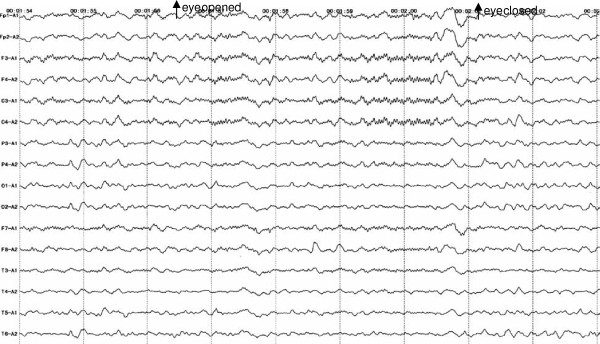
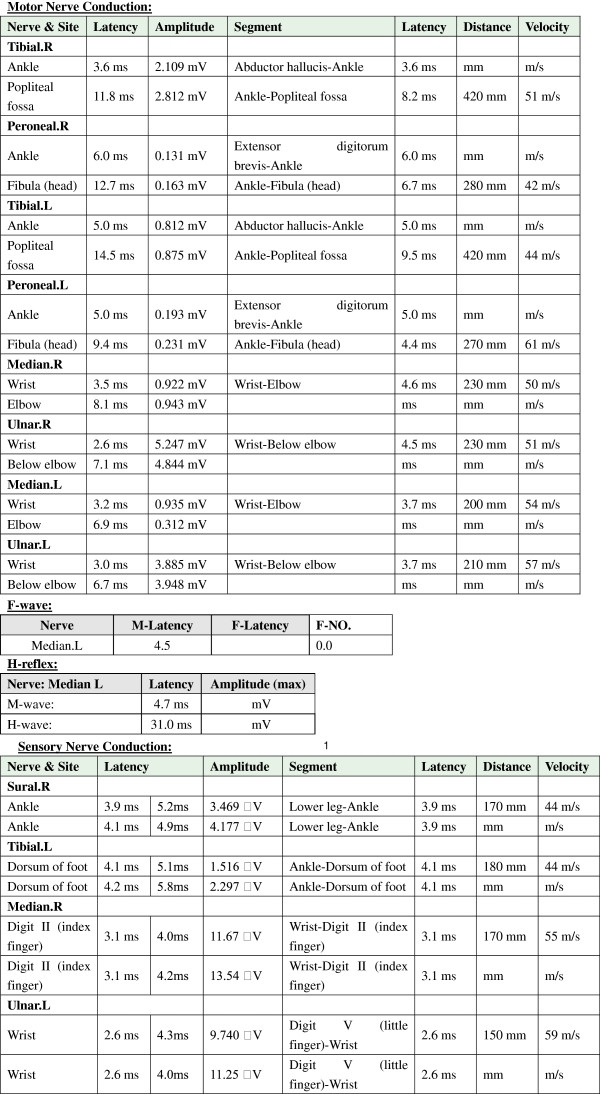
Here we report a 20-year-old male patient with overlapping BBE, MFS and GBS. The patient had a positive family history of bronchial asthma and had suffered from the condition for over 15 years. He developed BBE symptoms nine days after an asthma exacerbation. During the course of illness, he had significantly elevated IgE levels in both serum and cerebrospinal fluid. Serologic analysis of antibodies against ganglioside complexes (anti-GDIa, anti-GDIb, anti-GM1, anti-GM2, anti-GM3, anti-GQIb and anti-GTIb antibodies) showed negative results.
Since asthma has recently been related to autoimmune disease, our case supports an autoimmune mechanism underlying the clinical spectrum composed of BBE, MFS and GBS. However, contrary to a proposed anti-GQ1b antibody syndrome, we would suggest that pathogenesis of this clinical spectrum is not limited to anti-ganglioside antibodies.
比克斯特法夫脑干脑炎(BBE)与米勒·费雪综合征(MFS)和吉兰 - 巴雷综合征(GBS)被认为构成一个连续的临床谱系。有人提出抗GQ1b抗体综合征是这三种疾病共同病理生理机制的基础;然而,其他研究发现是抗GM1抗体呈阳性而非抗GQ1b抗体。
在此我们报告一名20岁男性患者,同时患有重叠型BBE、MFS和GBS。该患者有支气管哮喘家族史,患病超过15年。在哮喘加重九天后出现BBE症状。在病程中,他的血清和脑脊液中IgE水平显著升高。针对神经节苷脂复合物抗体(抗GDIa、抗GDIb、抗GM1、抗GM2、抗GM3、抗GQIb和抗GTIb抗体)的血清学分析结果均为阴性。
由于哮喘最近被认为与自身免疫性疾病有关,我们的病例支持由BBE、MFS和GBS组成的临床谱系存在自身免疫机制。然而,与所提出的抗GQ1b抗体综合征相反,我们认为该临床谱系的发病机制不限于抗神经节苷脂抗体。