DISCO beamline, Synchrotron Soleil, Saint-Aubin, France.
PLoS One. 2012;7(6):e38624. doi: 10.1371/journal.pone.0038624. Epub 2012 Jun 12.
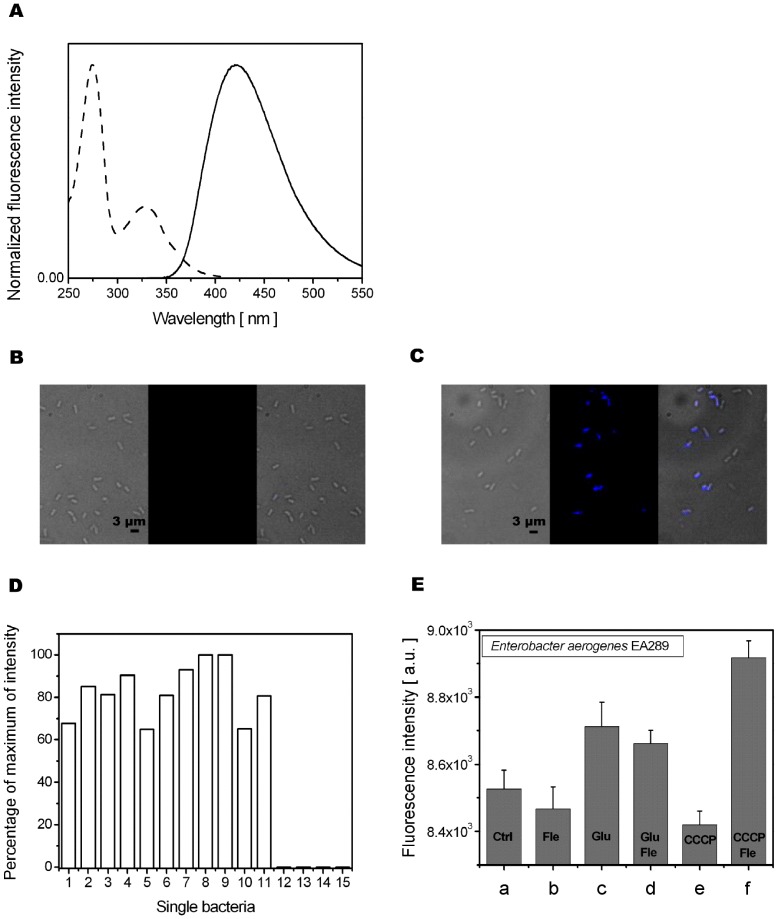
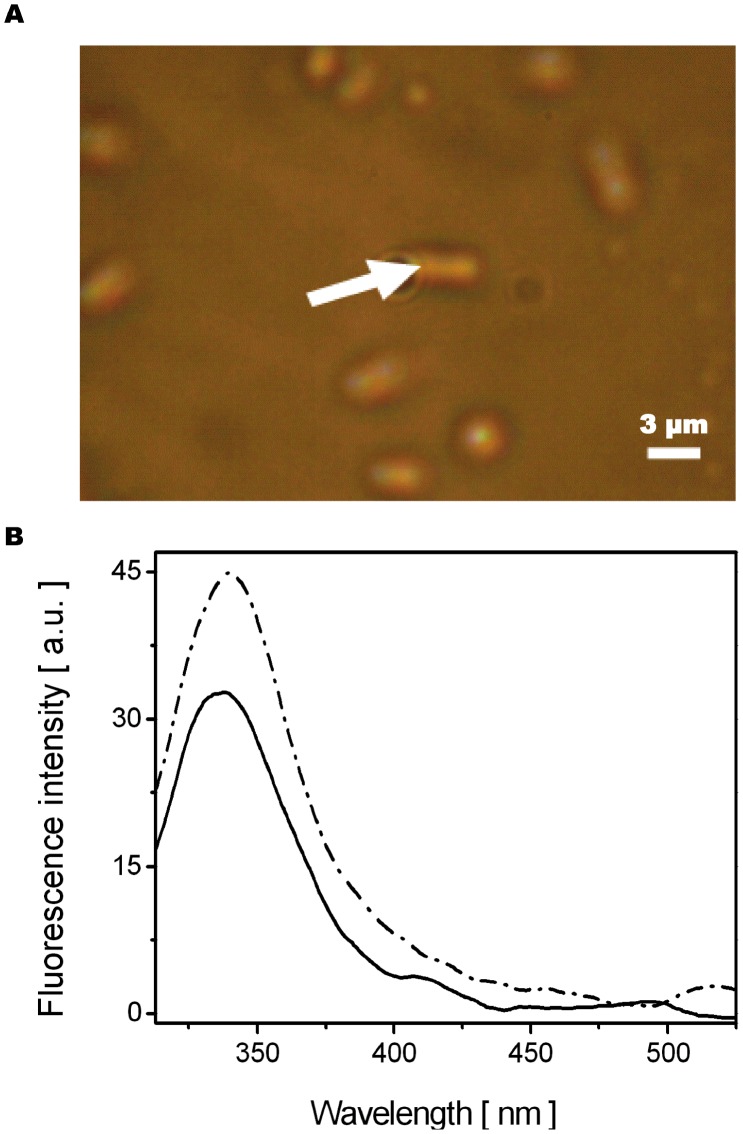
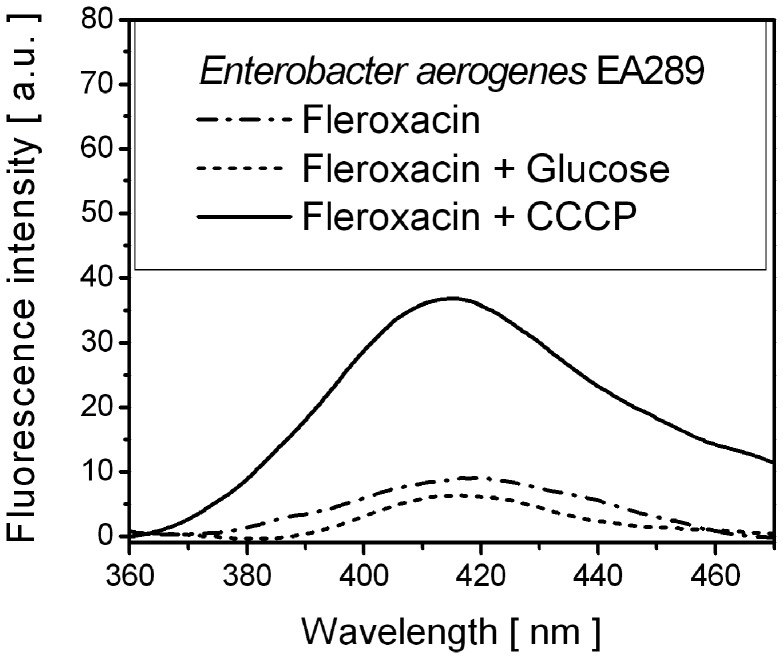
A molecular definition of the mechanism conferring bacterial multidrug resistance is clinically crucial and today methods for quantitative determination of the uptake of antimicrobial agents with single cell resolution are missing. Using the naturally occurring fluorescence of antibacterial agents after deep ultraviolet (DUV) excitation, we developed a method to non-invasively monitor the quinolones uptake in single bacteria. Our approach is based on a DUV fluorescence microscope coupled to a synchrotron beamline providing tuneable excitation from 200 to 600 nm. A full spectrum was acquired at each pixel of the image, to study the DUV excited fluorescence emitted from quinolones within single bacteria. Measuring spectra allowed us to separate the antibiotic fluorescence from the autofluorescence contribution. By performing spectroscopic analysis, the quantification of the antibiotic signal was possible. To our knowledge, this is the first time that the intracellular accumulation of a clinical antibiotic could be determined and discussed in relation with the level of drug susceptibility for a multiresistant strain. This method is especially important to follow the behavior of quinolone molecules at individual cell level, to quantify the intracellular concentration of the antibiotic and develop new strategies to combat the dissemination of MDR-bacteria. In addition, this original approach also indicates the heterogeneity of bacterial population when the same strain is under environmental stress like antibiotic attack.
一种能够对赋予细菌多药耐药性的机制进行分子定义的方法在临床上至关重要,但目前还缺乏用于定量测定具有单细胞分辨率的抗菌药物摄取的方法。本研究利用抗菌药物在深紫外(DUV)激发下产生的天然荧光,开发了一种非侵入性监测单细菌中喹诺酮类药物摄取的方法。我们的方法基于深紫外荧光显微镜与同步辐射光束线相结合,可提供从 200 到 600nm 的可调谐激发。在图像的每个像素处获取全光谱,以研究单细菌内喹诺酮类药物的 DUV 激发荧光。通过进行光谱分析,可以定量抗生素信号。据我们所知,这是首次能够确定临床抗生素在单个细胞内的积累情况,并将其与多耐药菌株的药物敏感性水平相关联。该方法对于在单细胞水平上跟踪喹诺酮类分子的行为、定量抗生素的细胞内浓度以及开发新策略来对抗 MDR 细菌的传播尤为重要。此外,当同一菌株受到抗生素攻击等环境压力时,这种原始方法还可以指示细菌群体的异质性。