Barts Cancer Institute, Queen Mary University of London, Centre for Molecular Oncology, London, UK.
Cell Death Dis. 2012 Jul 5;3(7):e342. doi: 10.1038/cddis.2012.83.
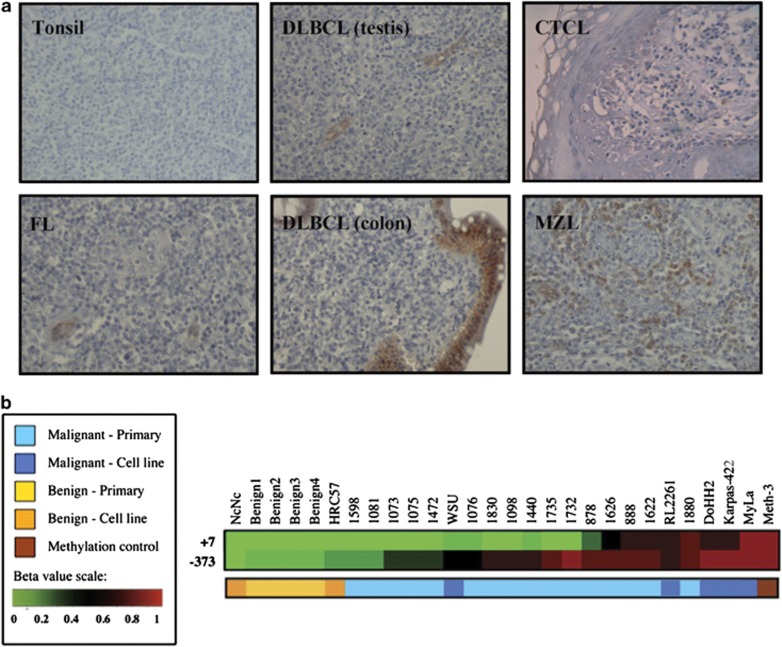
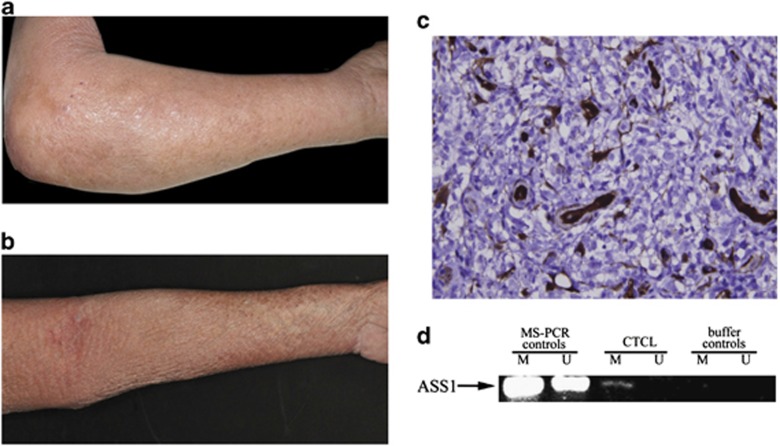
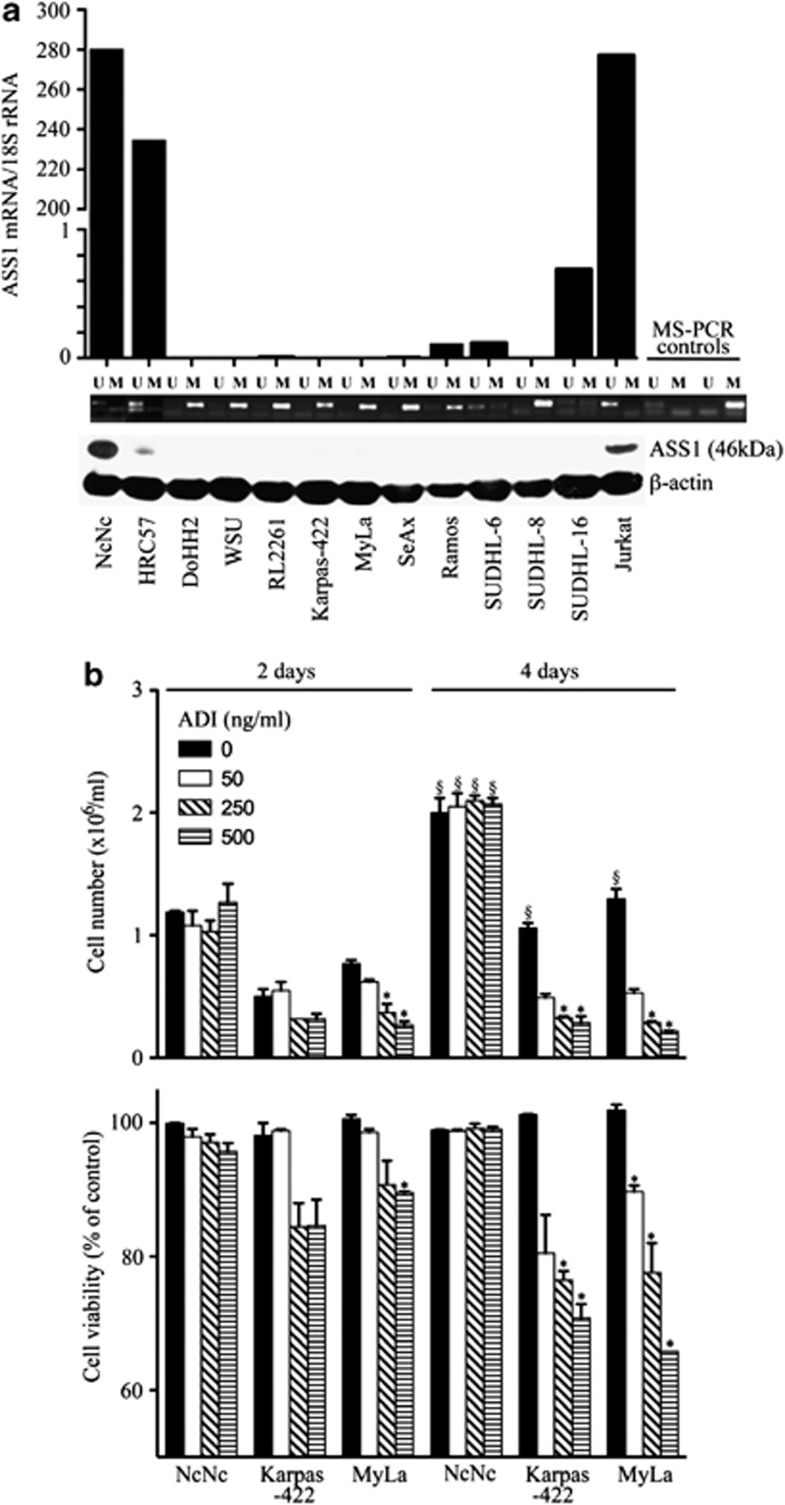
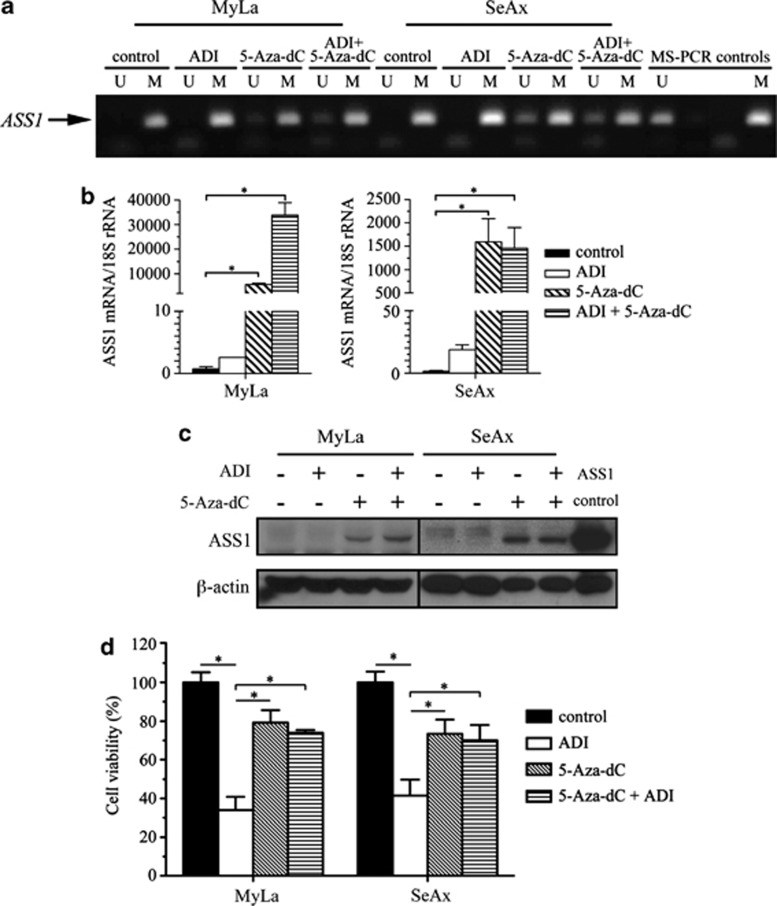
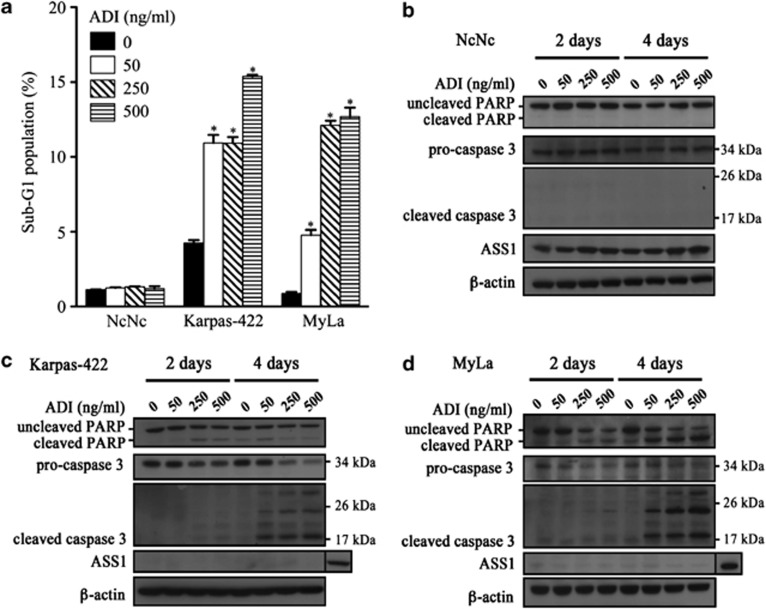
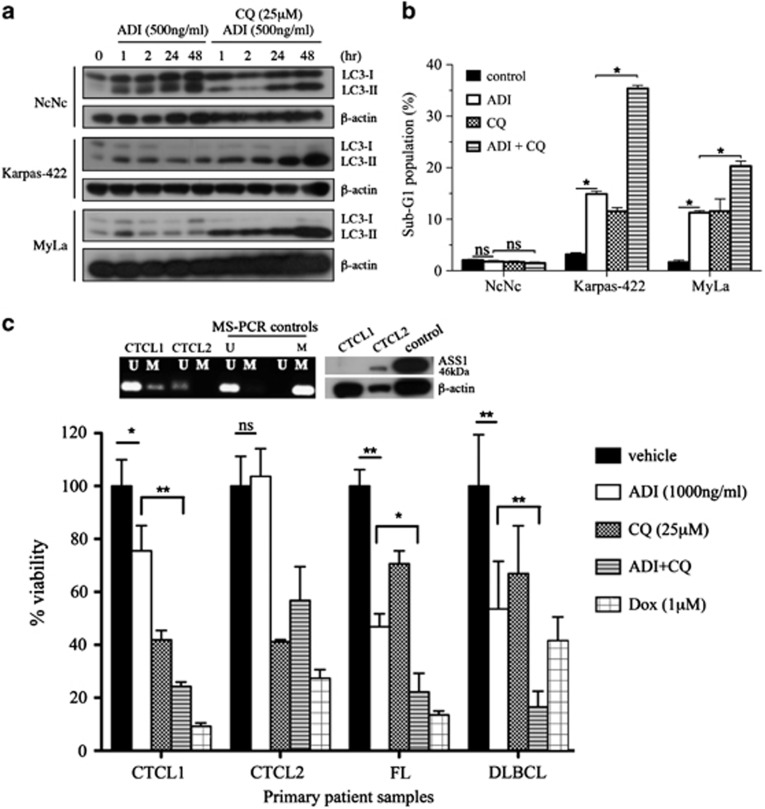
Tumours lacking argininosuccinate synthetase-1 (ASS1) are auxotrophic for arginine and sensitive to amino-acid deprivation. Here, we investigated the role of ASS1 as a biomarker of response to the arginine-lowering agent, pegylated arginine deiminase (ADI-PEG20), in lymphoid malignancies. Although ASS1 protein was largely undetectable in normal and malignant lymphoid tissues, frequent hypermethylation of the ASS1 promoter was observed specifically in the latter. A good correlation was observed between ASS1 methylation, low ASS1 mRNA, absence of ASS1 protein expression and sensitivity to ADI-PEG20 in malignant lymphoid cell lines. We confirmed that the demethylating agent 5-Aza-dC reactivated ASS1 expression and rescued lymphoma cell lines from ADI-PEG20 cytotoxicity. ASS1-methylated cell lines exhibited autophagy and caspase-dependent apoptosis following treatment with ADI-PEG20. In addition, the autophagy inhibitor chloroquine triggered an accumulation of light chain 3-II protein and potentiated the apoptotic effect of ADI-PEG20 in malignant lymphoid cells and patient-derived tumour cells. Finally, a patient with an ASS1-methylated cutaneous T-cell lymphoma responded to compassionate-use ADI-PEG20. In summary, ASS1 promoter methylation contributes to arginine auxotrophy and represents a novel biomarker for evaluating the efficacy of arginine deprivation in patients with lymphoma.
肿瘤缺乏精氨酰琥珀酸合成酶-1(ASS1)是精氨酸的营养缺陷型,并对氨基酸剥夺敏感。在这里,我们研究了 ASS1 作为降低精氨酸的聚乙二醇化精氨酸脱亚氨酶(ADI-PEG20)在淋巴恶性肿瘤中反应的生物标志物的作用。尽管 ASS1 蛋白在正常和恶性淋巴组织中基本不可检测,但在后一种组织中观察到 ASS1 启动子的频繁高甲基化。在恶性淋巴样细胞系中,ASS1 甲基化、低 ASS1 mRNA、ASS1 蛋白表达缺失与 ADI-PEG20 敏感性之间存在良好的相关性。我们证实,去甲基化剂 5-Aza-dC 重新激活 ASS1 表达,并使淋巴瘤细胞系免受 ADI-PEG20 的细胞毒性。在用 ADI-PEG20 处理后,ASS1 甲基化细胞系表现出自噬和 caspase 依赖性细胞凋亡。此外,自噬抑制剂氯喹触发了 LC3-II 蛋白的积累,并增强了 ADI-PEG20 在恶性淋巴样细胞和患者来源的肿瘤细胞中的凋亡作用。最后,一名 ASS1 甲基化皮肤 T 细胞淋巴瘤患者对同情使用 ADI-PEG20 有反应。总之,ASS1 启动子甲基化导致精氨酸营养缺陷,并代表评估淋巴瘤患者精氨酸剥夺疗效的新型生物标志物。