Institute of Microbiology, Chinese Academy of Sciences, Beijing, China.
PLoS One. 2012;7(6):e38815. doi: 10.1371/journal.pone.0038815. Epub 2012 Jun 29.
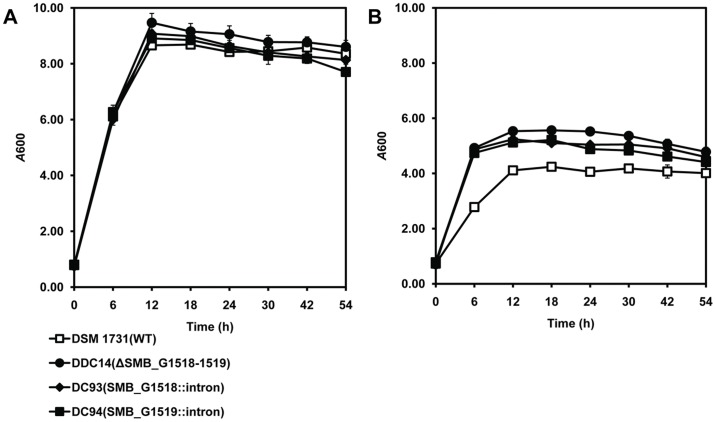
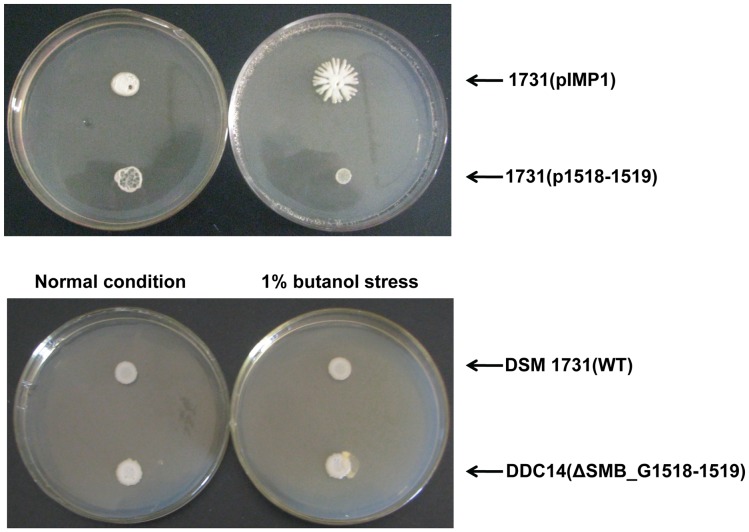
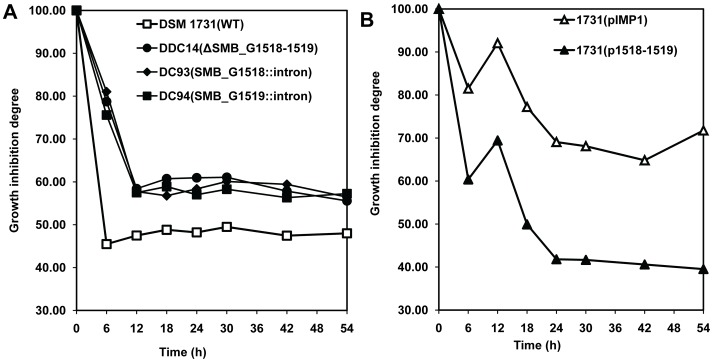
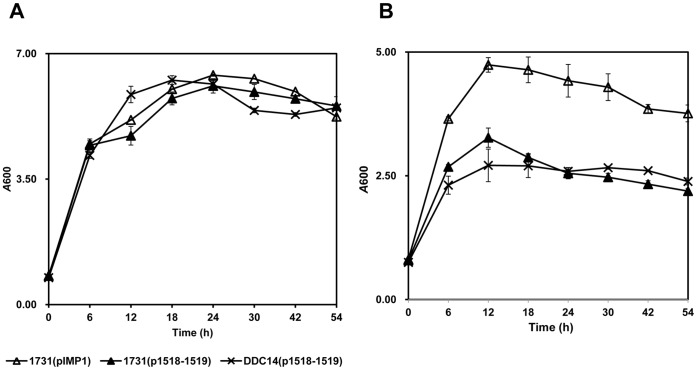
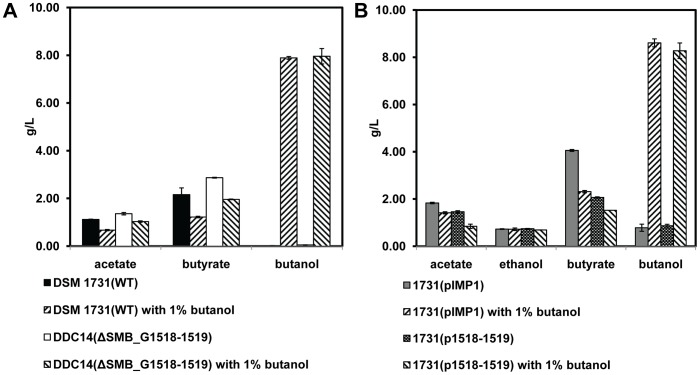
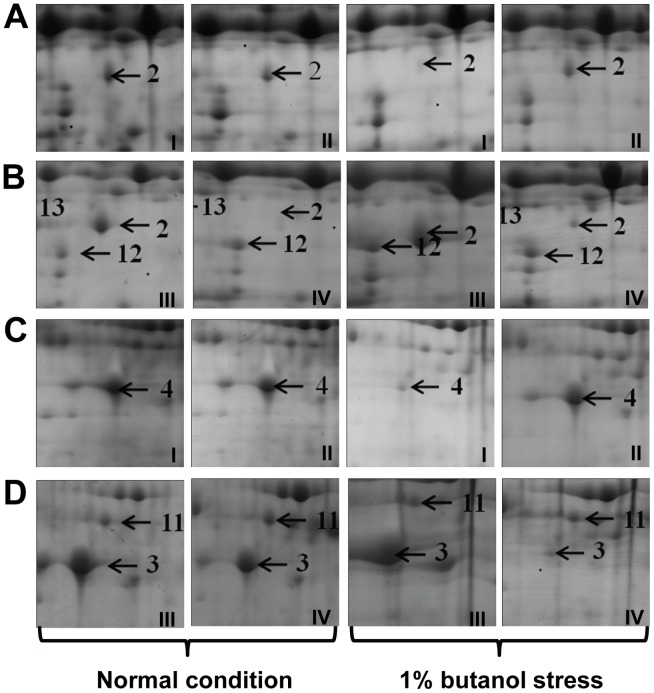
Solvents toxicity is a major limiting factor hampering the cost-effective biotechnological production of chemicals. In Clostridium acetobutylicum, a functionally unknown protein (encoded by SMB_G1518) with a hypothetical alcohol interacting domain was identified. Disruption of SMB_G1518 and/or its downstream gene SMB_G1519 resulted in increased butanol tolerance, while overexpression of SMB_G1518-1519 decreased butanol tolerance. In addition, SMB_G1518-1519 also influences the production of pyruvate:ferredoxin oxidoreductase (PFOR) and flagellar protein hag, the maintenance of cell motility. We conclude that the system of SMB_G1518-1519 protein plays a role in the butanol sensitivity/tolerance phenotype of C. acetobutylicum, and can be considered as potential targets for engineering alcohol tolerance.
溶剂毒性是阻碍化学物质经济高效的生物技术生产的主要限制因素。在丙酮丁醇梭菌中,鉴定到一个功能未知的蛋白(由 SMB_G1518 编码),该蛋白具有假定的醇相互作用结构域。SMB_G1518 和/或其下游基因 SMB_G1519 的缺失导致丁醇耐受性增加,而过表达 SMB_G1518-1519 则降低了丁醇耐受性。此外,SMB_G1518-1519 还影响丙酮酸:铁氧还蛋白氧化还原酶(PFOR)和鞭毛蛋白 hag 的产生,维持细胞的运动性。我们得出结论,SMB_G1518-1519 蛋白系统在丙酮丁醇梭菌的丁醇敏感性/耐受性表型中发挥作用,可被视为工程化醇耐受性的潜在靶点。