Neuroscience Research Program, Garvan Institute of Medical Research, Darlinghurst, Sydney, New South Wales, Australia.
PLoS One. 2012;7(6):e40191. doi: 10.1371/journal.pone.0040191. Epub 2012 Jun 29.
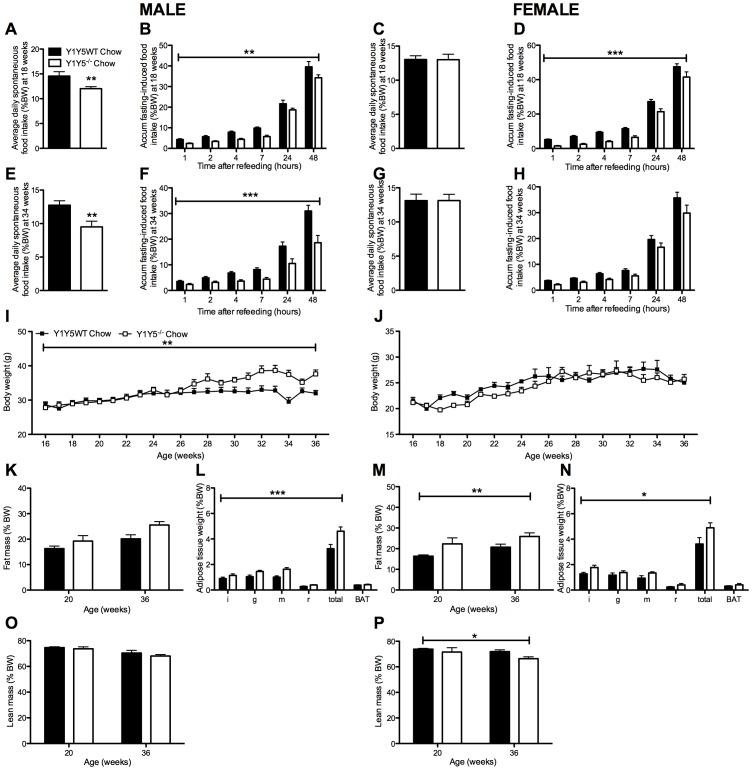
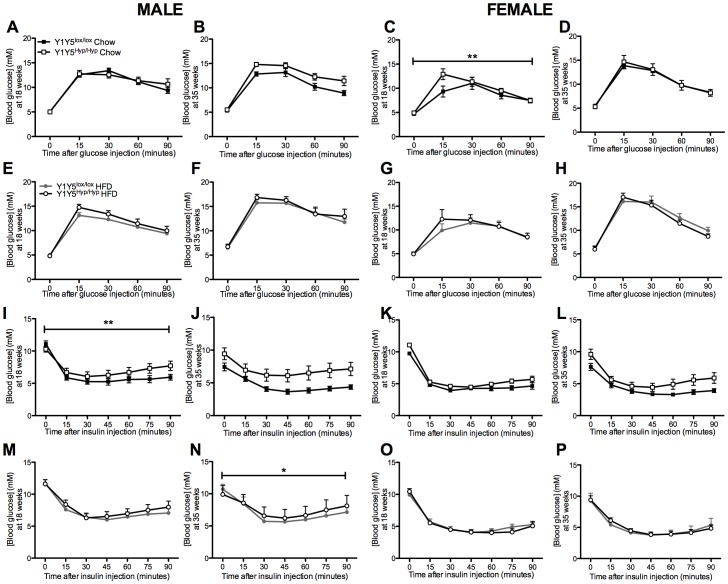
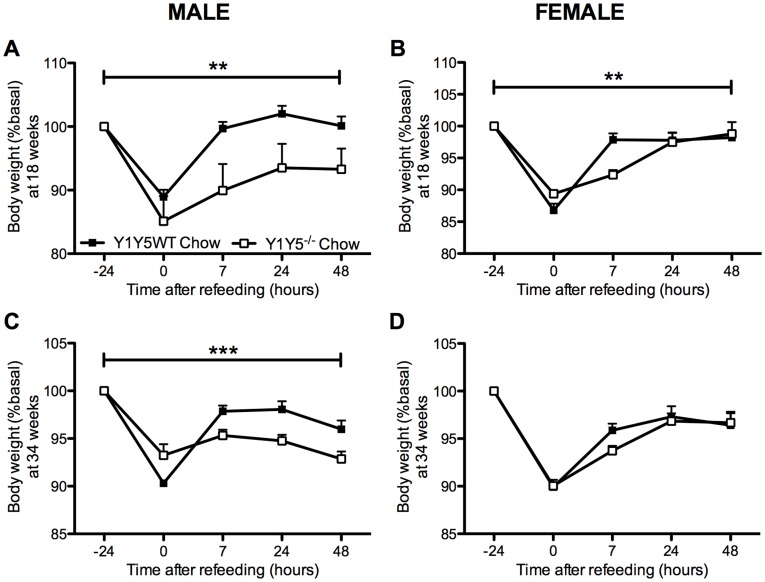
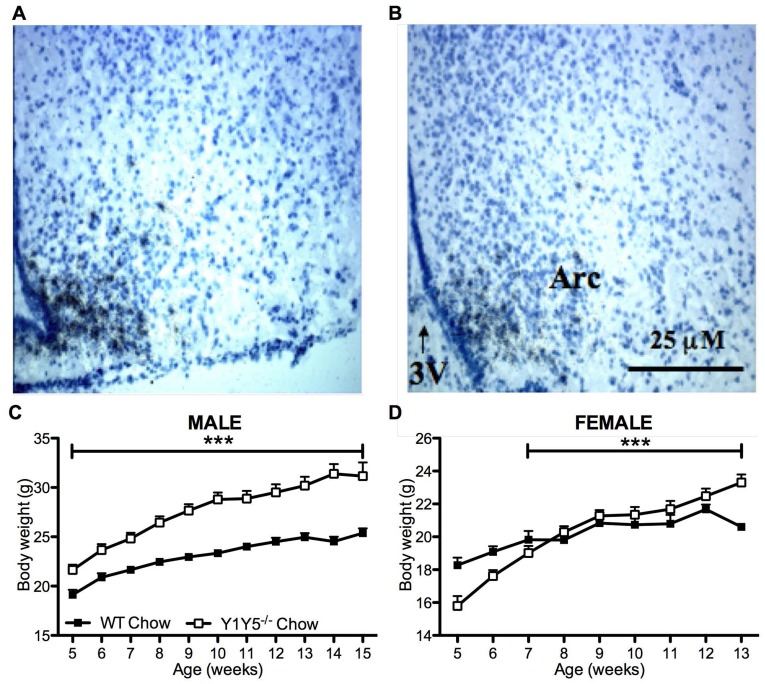
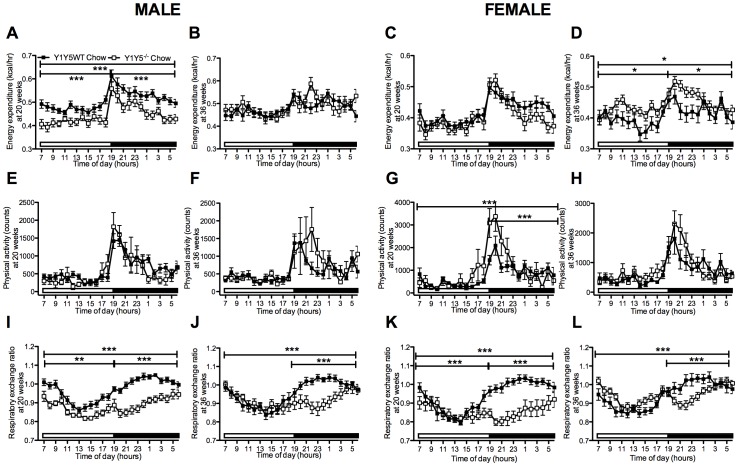
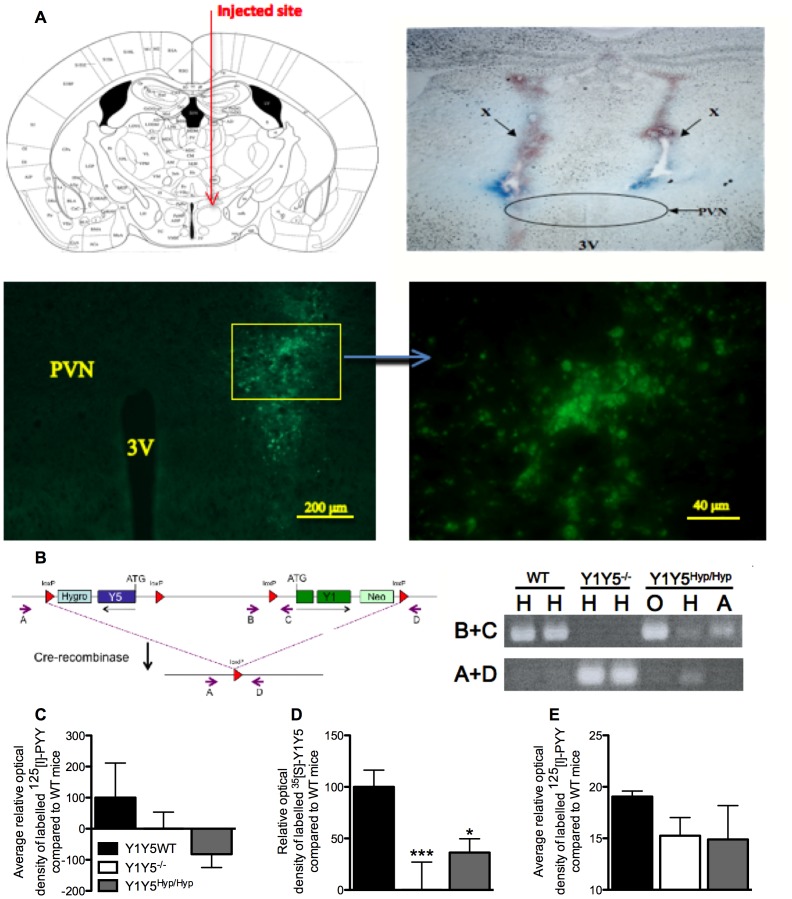
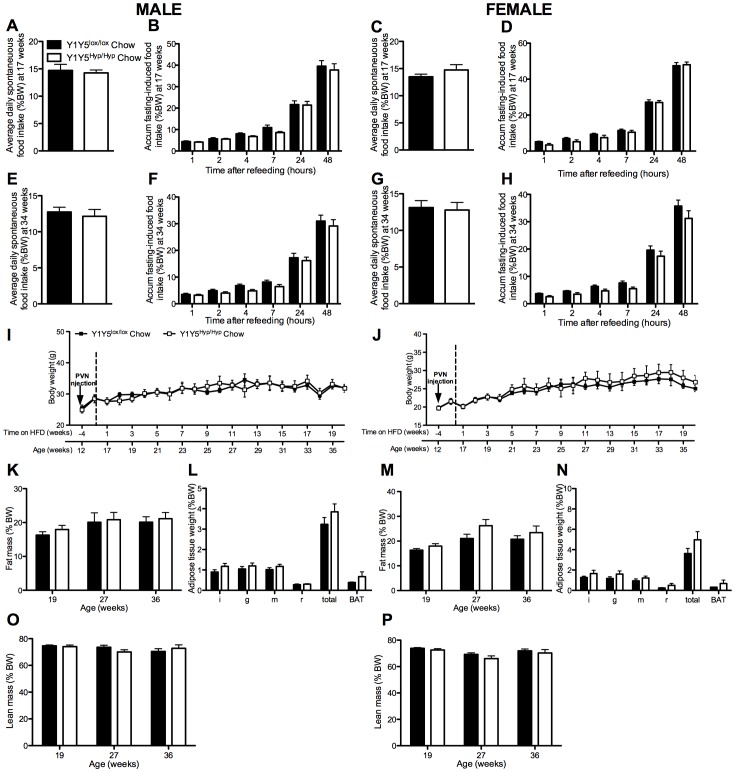
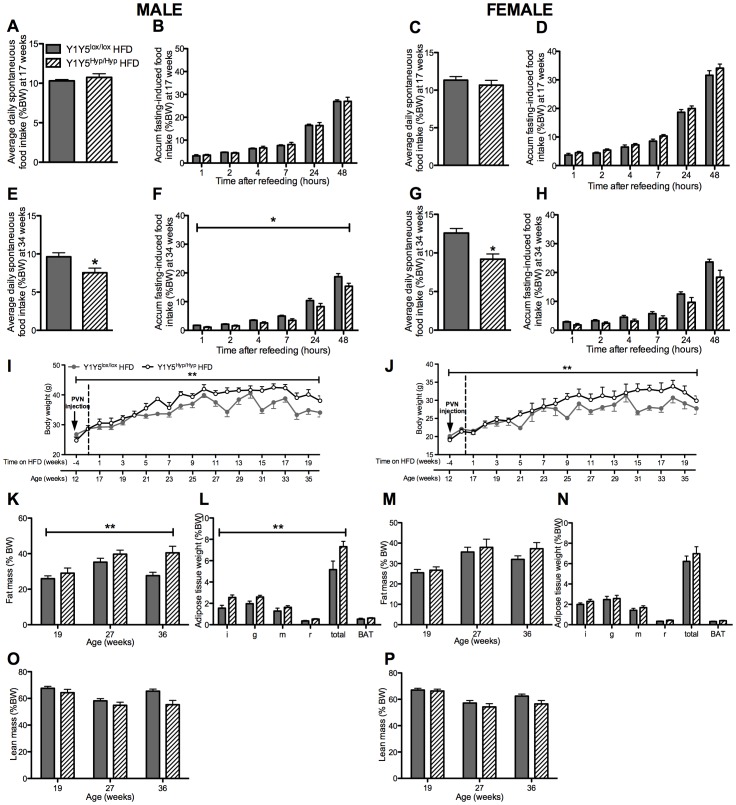
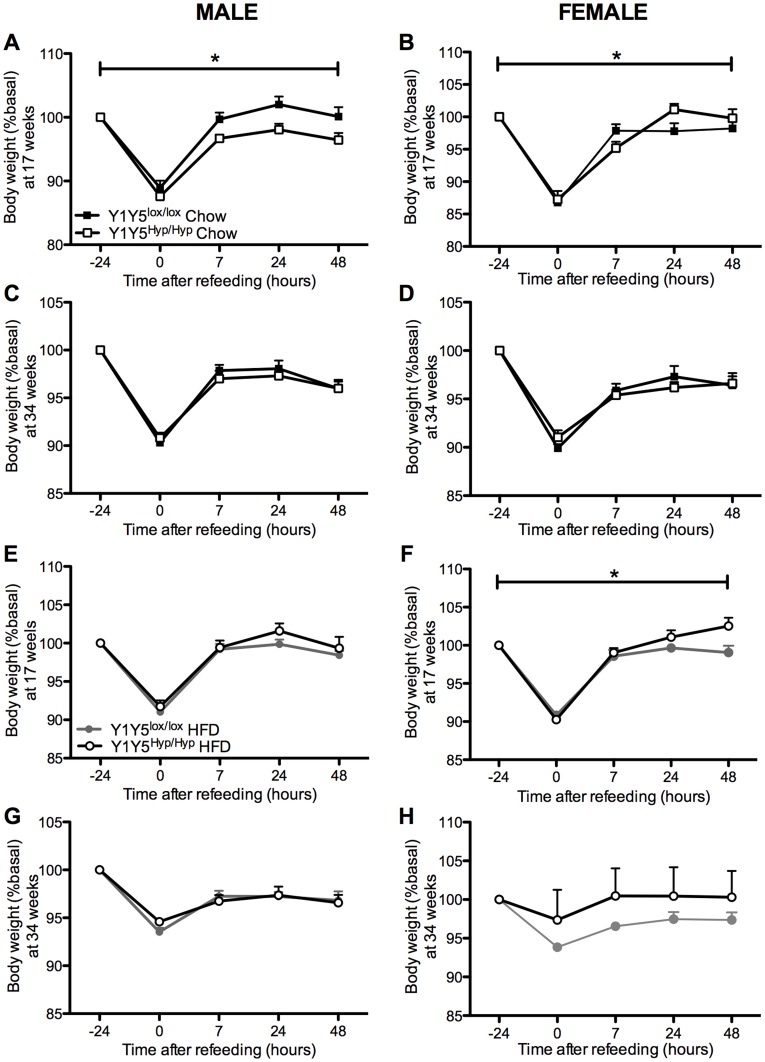
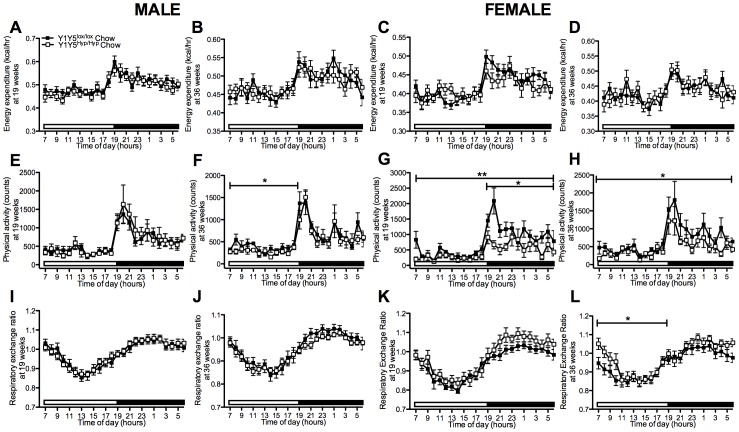
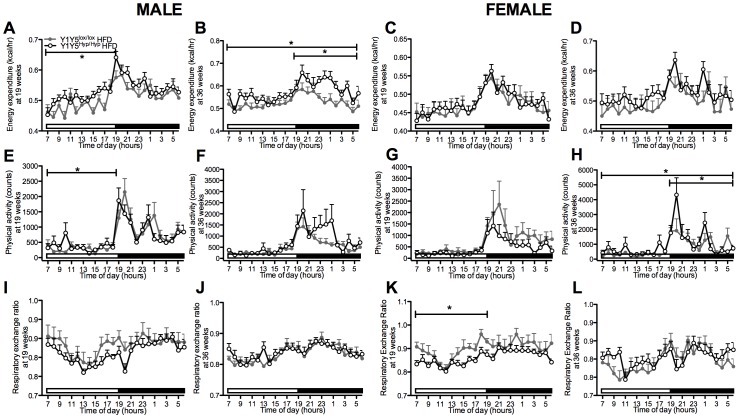
Neuropeptide Y (NPY) acting in the hypothalamus is one of the most powerful orexigenic agents known. Of the five known Y receptors, hypothalamic Y1 and Y5 have been most strongly implicated in mediating hyperphagic effects. However, knockout of individual Y1 or Y5 receptors induces late-onset obesity--and Y5 receptor knockout also induces hyperphagia, possibly due to redundancy in functions of these genes. Here we show that food intake in mice requires the combined actions of both Y1 and Y5 receptors. Germline Y1Y5 ablation in Y1Y5(-/-) mice results in hypophagia, an effect that is at least partially mediated by the hypothalamus, since mice with adult-onset Y1Y5 receptor dual ablation targeted to the paraventricular nucleus (PVN) of the hypothalamus (Y1Y5(Hyp/Hyp)) also exhibit reduced spontaneous or fasting-induced food intake when fed a high fat diet. Interestingly, despite hypophagia, mice with germline or hypothalamus-specific Y1Y5 deficiency exhibited increased body weight and/or increased adiposity, possibly due to compensatory responses to gene deletion, such as the decreased energy expenditure observed in male Y1Y5(-/-) animals relative to wildtype values. While Y1 and Y5 receptors expressed in other hypothalamic areas besides the PVN--such as the dorsomedial nucleus and the ventromedial hypothalamus--cannot be excluded from having a role in the regulation of food intake, these studies demonstrate the pivotal, combined role of both Y1 and Y5 receptors in the mediation of food intake.
神经肽 Y(NPY)在下丘脑中的作用是已知的最强大的食欲刺激剂之一。在已知的 5 种 Y 受体中,下丘脑 Y1 和 Y5 受体被强烈暗示介导了食欲亢进的作用。然而,单个 Y1 或 Y5 受体的敲除会导致迟发性肥胖——并且 Y5 受体的敲除也会导致食欲亢进,这可能是由于这些基因的功能冗余。在这里,我们表明,小鼠的食物摄入量需要 Y1 和 Y5 受体的共同作用。Y1Y5(-/-) 小鼠中的 Y1Y5 种系敲除导致摄食量减少,这种效应至少部分是由下丘脑介导的,因为下丘脑室旁核(PVN)中成年期 Y1Y5 受体双重敲除的 Y1Y5 受体(Y1Y5(Hyp/Hyp))小鼠在喂食高脂肪饮食时也表现出自发或禁食诱导的食物摄入量减少。有趣的是,尽管摄食量减少,但具有种系或下丘脑特异性 Y1Y5 缺乏的小鼠表现出体重增加和/或肥胖增加,这可能是由于基因缺失的代偿反应,例如雄性 Y1Y5(-/-) 动物相对于野生型值观察到的能量消耗减少。虽然除了 PVN 之外,其他下丘脑区域(如背内侧核和腹内侧下丘脑)表达的 Y1 和 Y5 受体不能排除在调节食物摄入中发挥作用,但这些研究表明,Y1 和 Y5 受体在介导食物摄入方面具有关键的、共同的作用。