Anderson Ethan J, Taylor David A
F1000 Med Rep. 2012;4:13. doi: 10.3410/M4-13. Epub 2012 Jul 2.
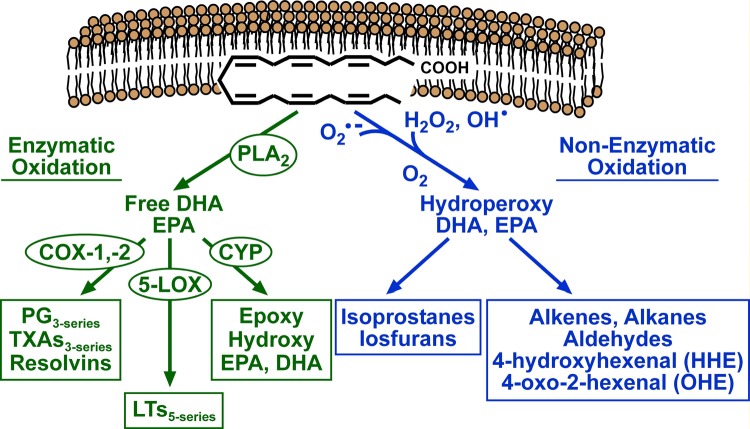
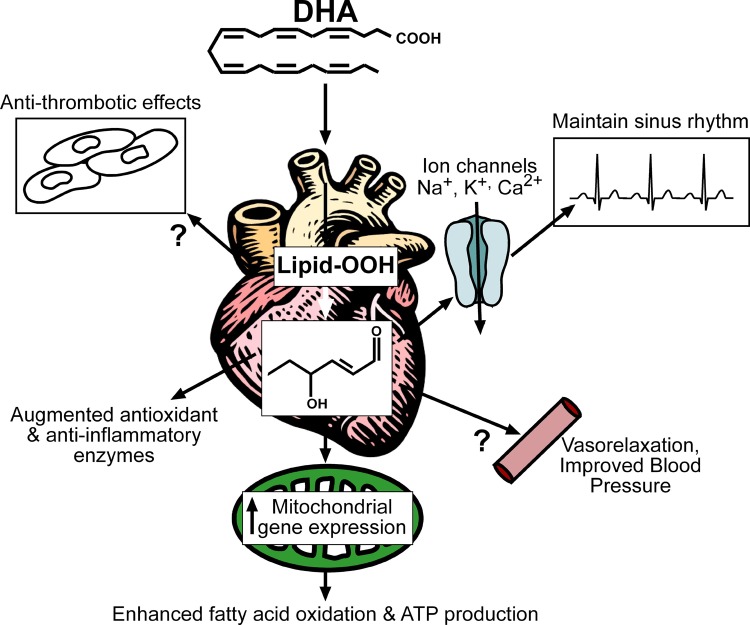
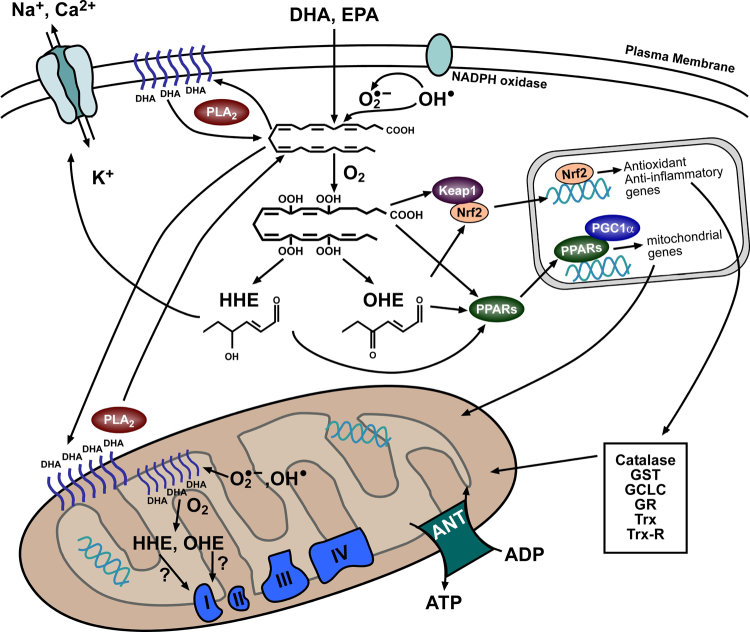
Despite their clear therapeutic effects in coronary heart disease, use of n-3 polyunsaturated fatty acids (PUFAs) to treat other types of cardiovascular disease remains controversial, and serious obstacles exist in implementing them as a reliable and consistent drug therapy. The foremost of these is that a molecular mechanism and relevant dosages have not been firmly established in other forms of cardiovascular disease. In this brief review, we highlight the current state of knowledge regarding the mechanisms behind n-3 PUFA action in the cardiovascular system. We also propose the novel hypothesis that lipid peroxidation products derived from n-3 PUFAs may be driving much of their beneficial cardiovascular effects, particularly in the myocardium. We conclude by discussing evidence to support this hypothesis, and its possible clinical ramifications.
尽管n-3多不饱和脂肪酸(PUFAs)在冠心病治疗中具有明确的疗效,但将其用于治疗其他类型的心血管疾病仍存在争议,并且在将其作为一种可靠且一致的药物疗法实施方面存在严重障碍。其中最主要的问题是,在其他形式的心血管疾病中,尚未明确确立其分子机制和相关剂量。在这篇简短的综述中,我们重点介绍了目前关于n-3多不饱和脂肪酸在心血管系统中作用机制的知识现状。我们还提出了一个新的假说,即源自n-3多不饱和脂肪酸的脂质过氧化产物可能在很大程度上推动了它们对心血管的有益作用,尤其是在心肌中。我们通过讨论支持这一假说的证据及其可能的临床影响来得出结论。