Diabetes and Obesity Laboratory, Institut d'investigacions Biomèdiques August Pi i Sunyer, Endocrinology and Nutrition Unit-Hospital Clínic, Barcelona, Spain.
PLoS One. 2012;7(7):e39087. doi: 10.1371/journal.pone.0039087. Epub 2012 Jul 3.
This study aims at exploring the effects of sodium tungstate treatment on hypothalamic plasticity, which is known to have an important role in the control of energy metabolism.
Adult lean and high-fat diet-induced obese mice were orally treated with sodium tungstate. Arcuate and paraventricular nuclei and lateral hypothalamus were separated and subjected to proteomic analysis by DIGE and mass spectrometry. Immunohistochemistry and in vivo magnetic resonance imaging were also performed.
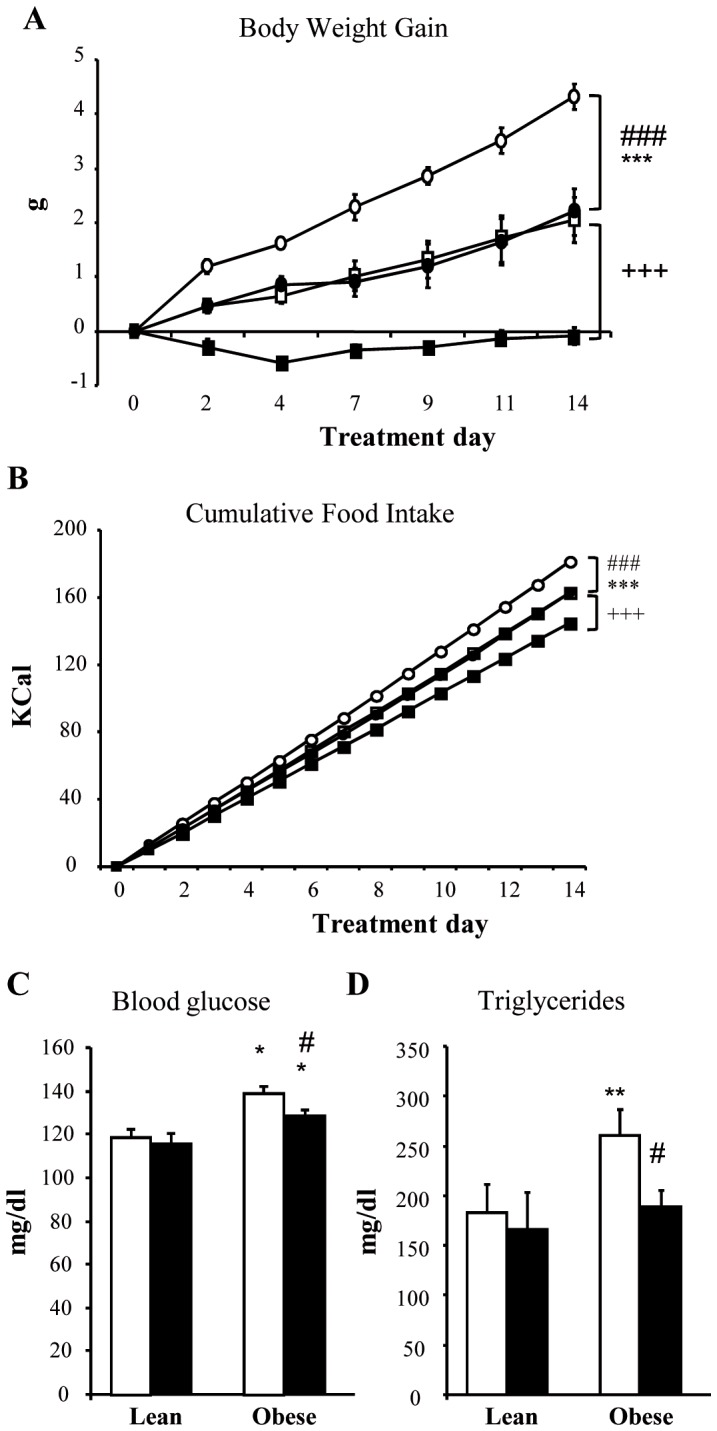
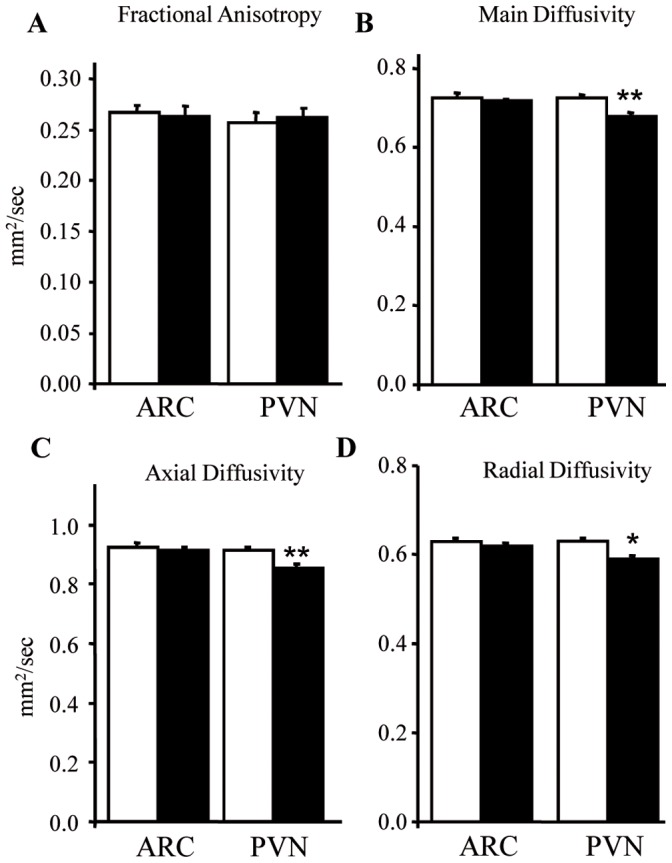
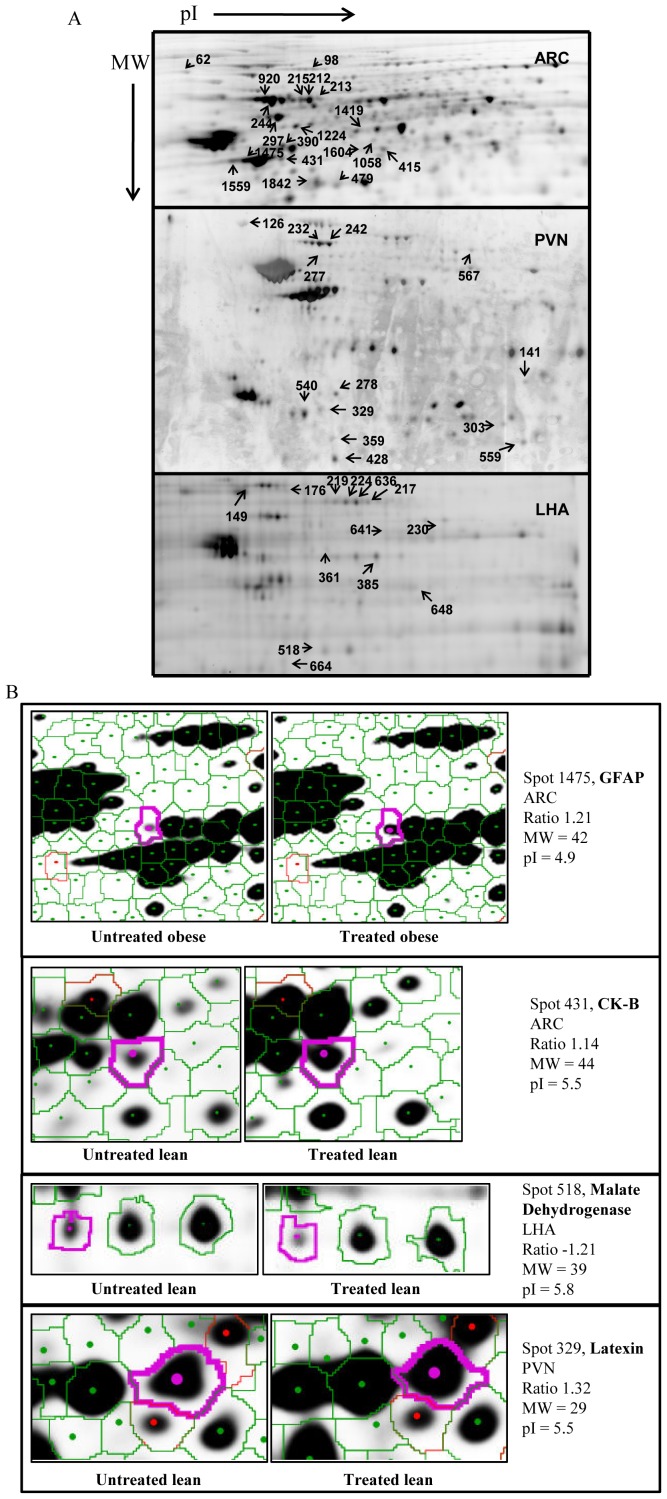
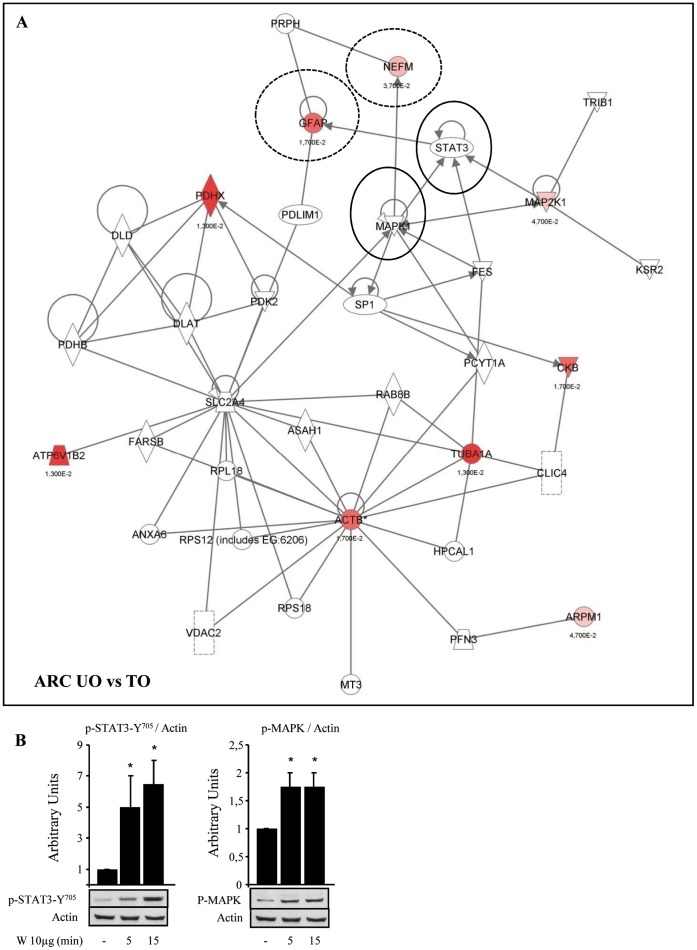
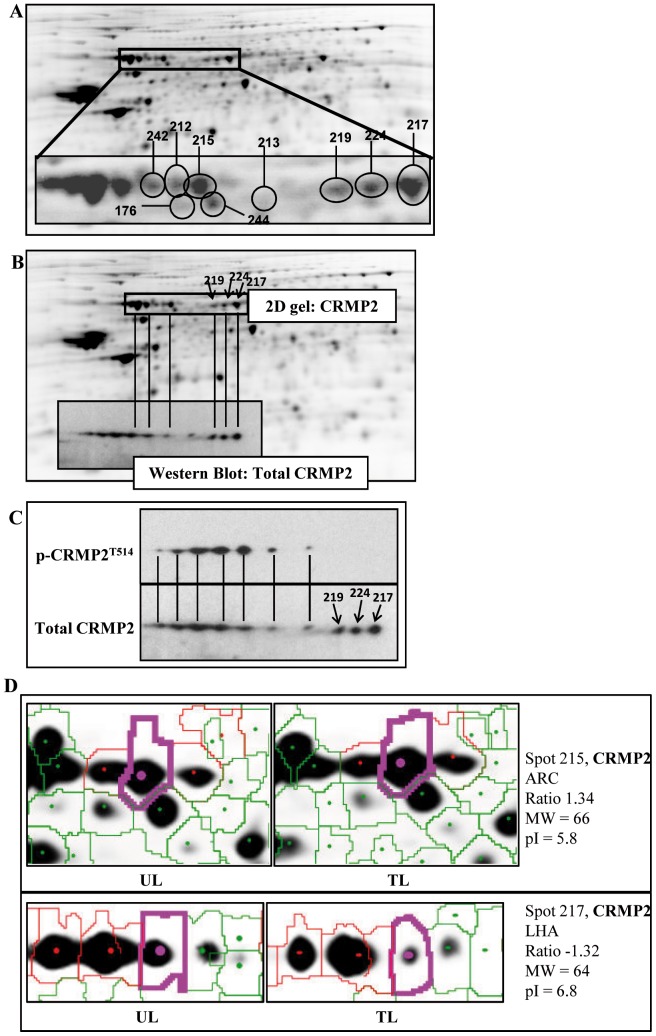
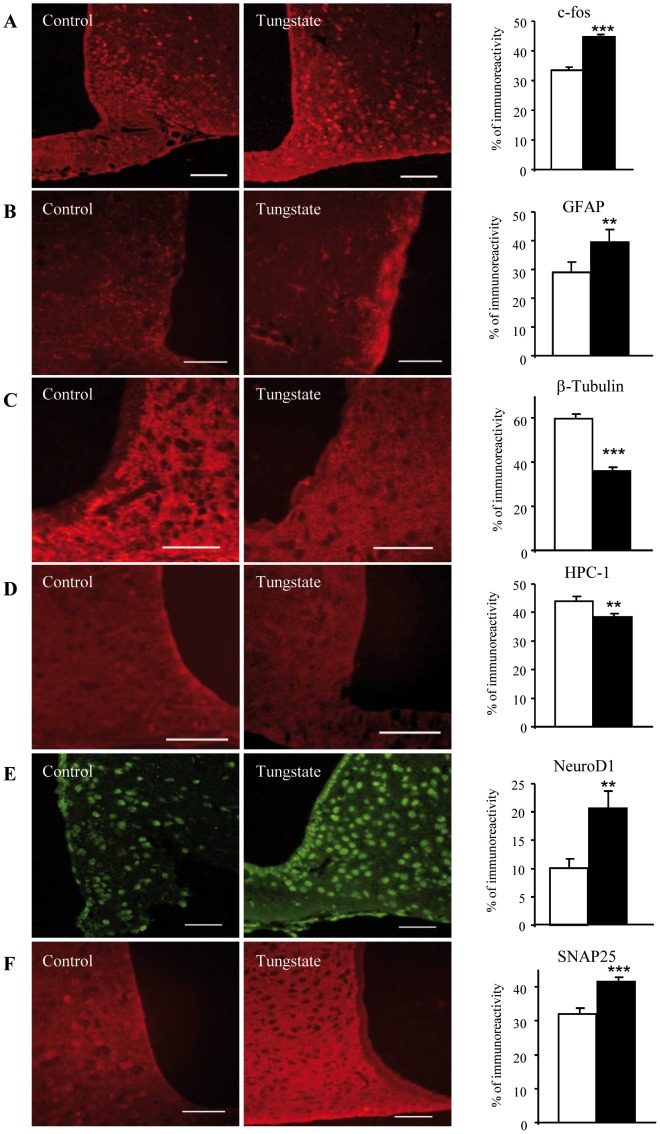
Sodium tungstate treatment reduced body weight gain, food intake, and blood glucose and triglyceride levels. These effects were associated with transcriptional and functional changes in the hypothalamus. Proteomic analysis revealed that sodium tungstate modified the expression levels of proteins involved in cell morphology, axonal growth, and tissue remodeling, such as actin, CRMP2 and neurofilaments, and of proteins related to energy metabolism. Moreover, immunohistochemistry studies confirmed results for some targets and further revealed tungstate-dependent regulation of SNAP25 and HPC-1 proteins, suggesting an effect on synaptogenesis as well. Functional test for cell activity based on c-fos-positive cell counting also suggested that sodium tungstate modified hypothalamic basal activity. Finally, in vivo magnetic resonance imaging showed that tungstate treatment can affect neuronal organization in the hypothalamus.
Altogether, these results suggest that sodium tungstate regulates proteins involved in axonal and glial plasticity. The fact that sodium tungstate could modulate hypothalamic plasticity and networks in adulthood makes it a possible and interesting therapeutic strategy not only for obesity management, but also for other neurodegenerative illnesses like Alzheimer's disease.
本研究旨在探讨钨酸钠处理对下丘脑可塑性的影响,已知下丘脑可塑性在能量代谢控制中具有重要作用。
成年瘦鼠和高脂肪饮食诱导肥胖鼠经口给予钨酸钠。分离弓状核和室旁核及外侧下丘脑,并用 DIGE 和质谱进行蛋白质组分析。还进行了免疫组织化学和体内磁共振成像。
钨酸钠处理可减少体重增加、摄食量和血糖及甘油三酯水平。这些作用与下丘脑的转录和功能变化有关。蛋白质组分析显示,钨酸钠改变了涉及细胞形态、轴突生长和组织重塑的蛋白质的表达水平,如肌动蛋白、CRMP2 和神经丝,以及与能量代谢相关的蛋白质。此外,免疫组织化学研究证实了一些靶标,并进一步揭示了钨酸盐对 SNAP25 和 HPC-1 蛋白的依赖性调节,表明其对突触发生也有影响。基于 c-fos 阳性细胞计数的细胞活性功能测试也表明,钨酸钠改变了下丘脑的基础活性。最后,体内磁共振成像显示钨酸盐处理可影响下丘脑的神经元组织。
总之,这些结果表明钨酸钠调节参与轴突和神经胶质可塑性的蛋白质。钨酸钠能够调节成年期下丘脑可塑性和网络的事实使其成为一种可能且有趣的治疗策略,不仅可用于肥胖症的管理,还可用于阿尔茨海默病等其他神经退行性疾病。