Department of Zoology, School of Biology, Aristotle University, Thessaloniki, Greece.
PLoS One. 2012;7(7):e39873. doi: 10.1371/journal.pone.0039873. Epub 2012 Jul 11.
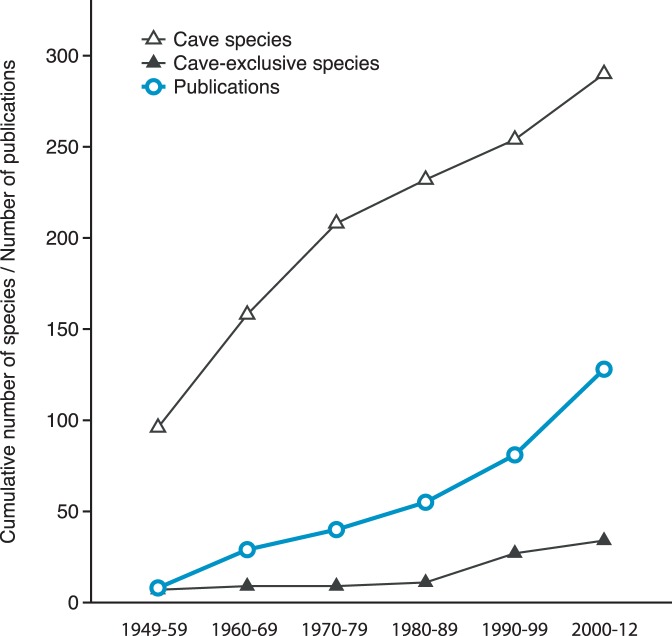
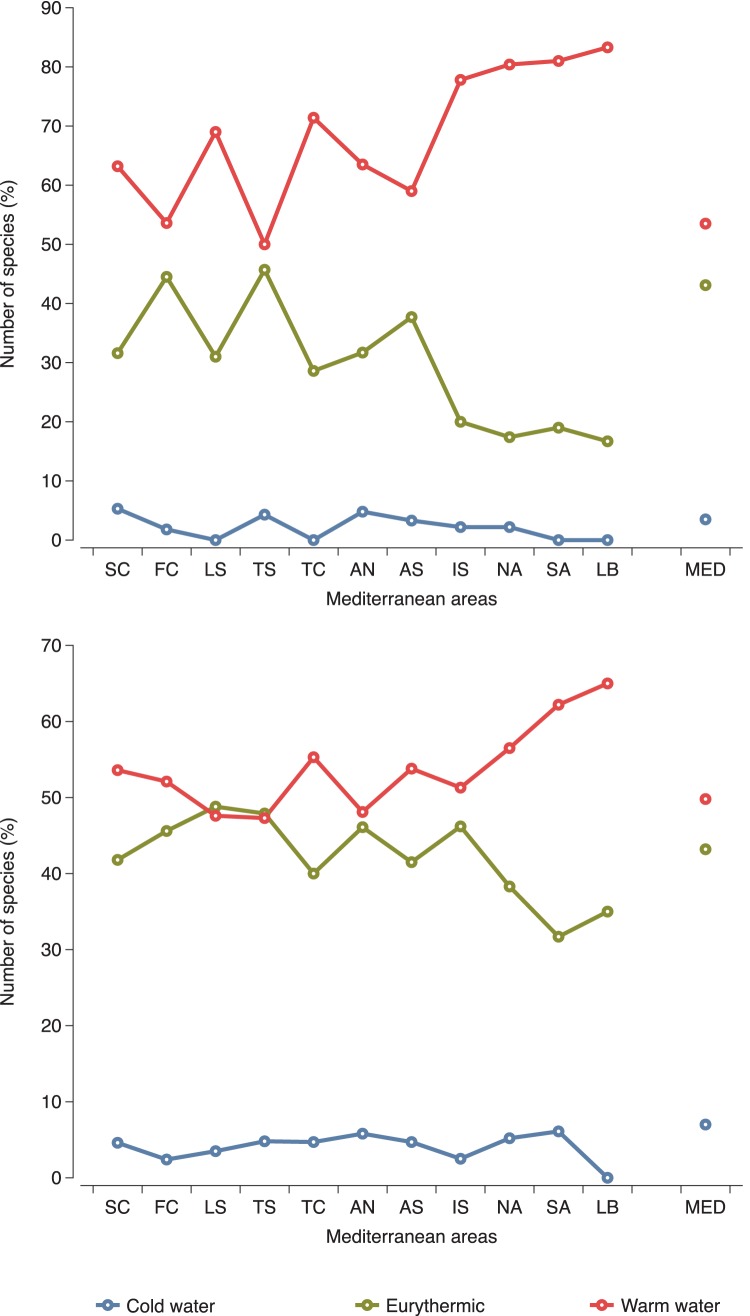
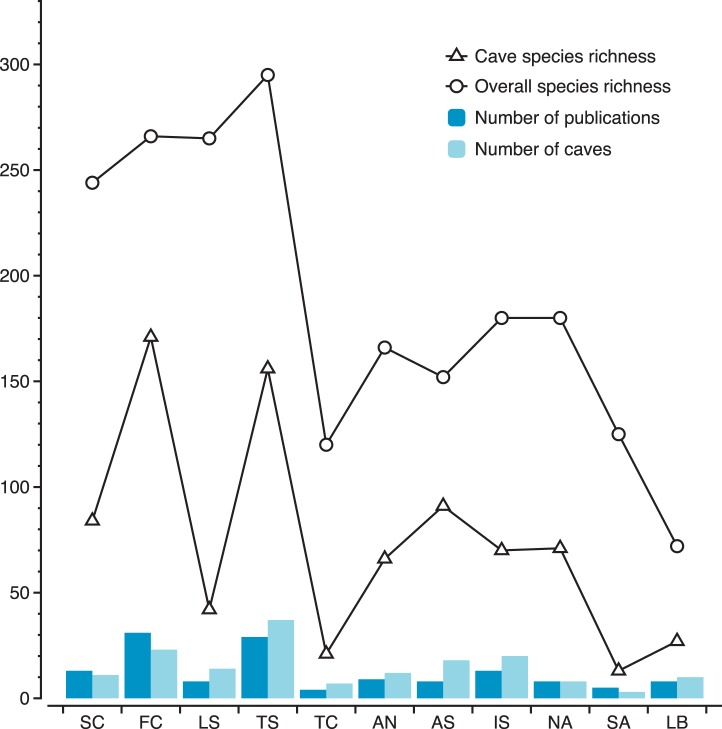
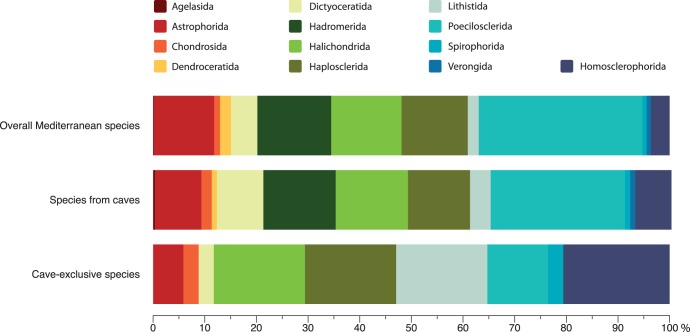
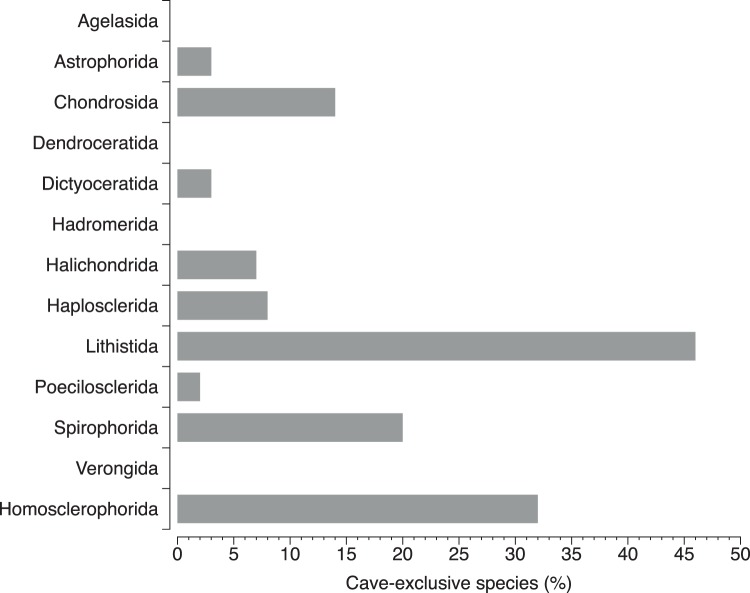
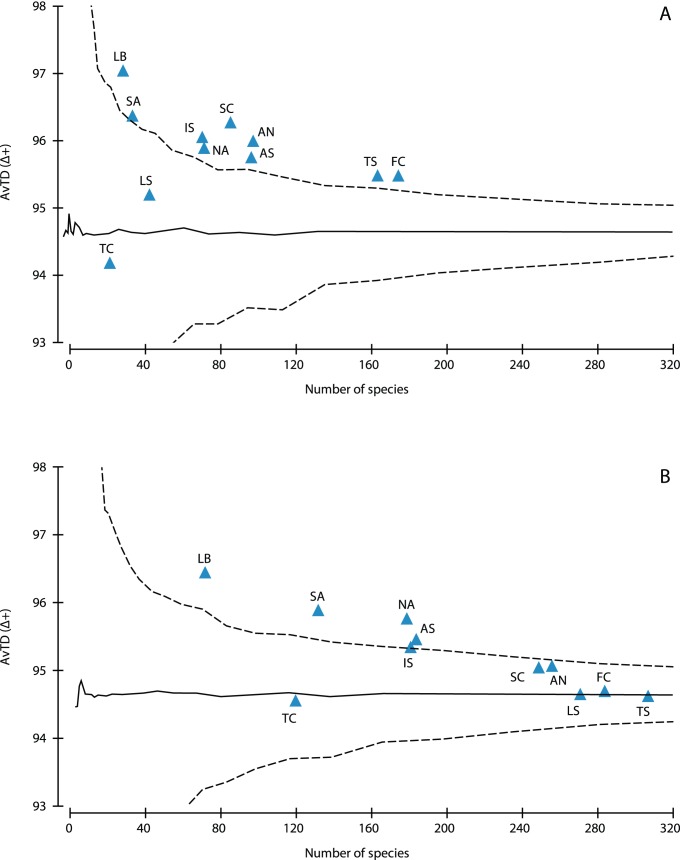
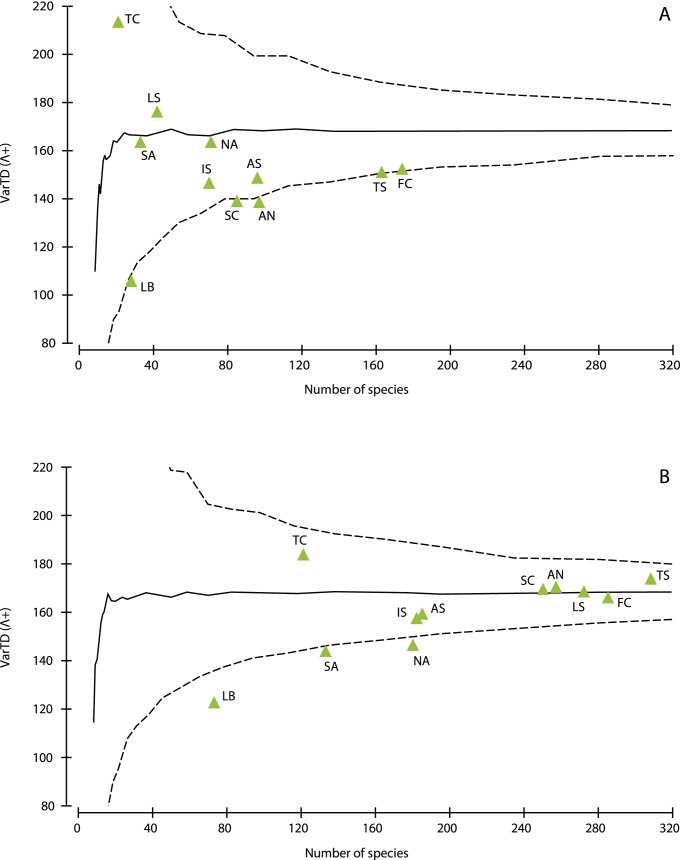
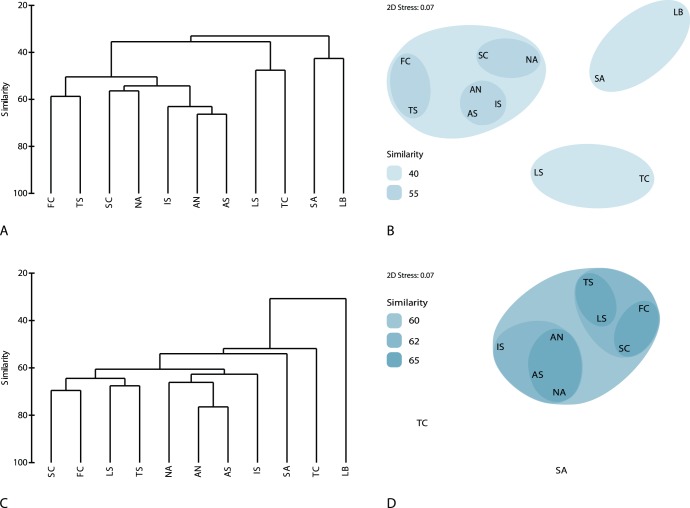
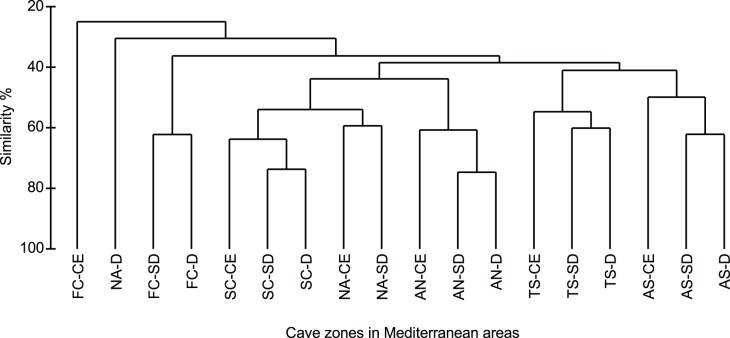
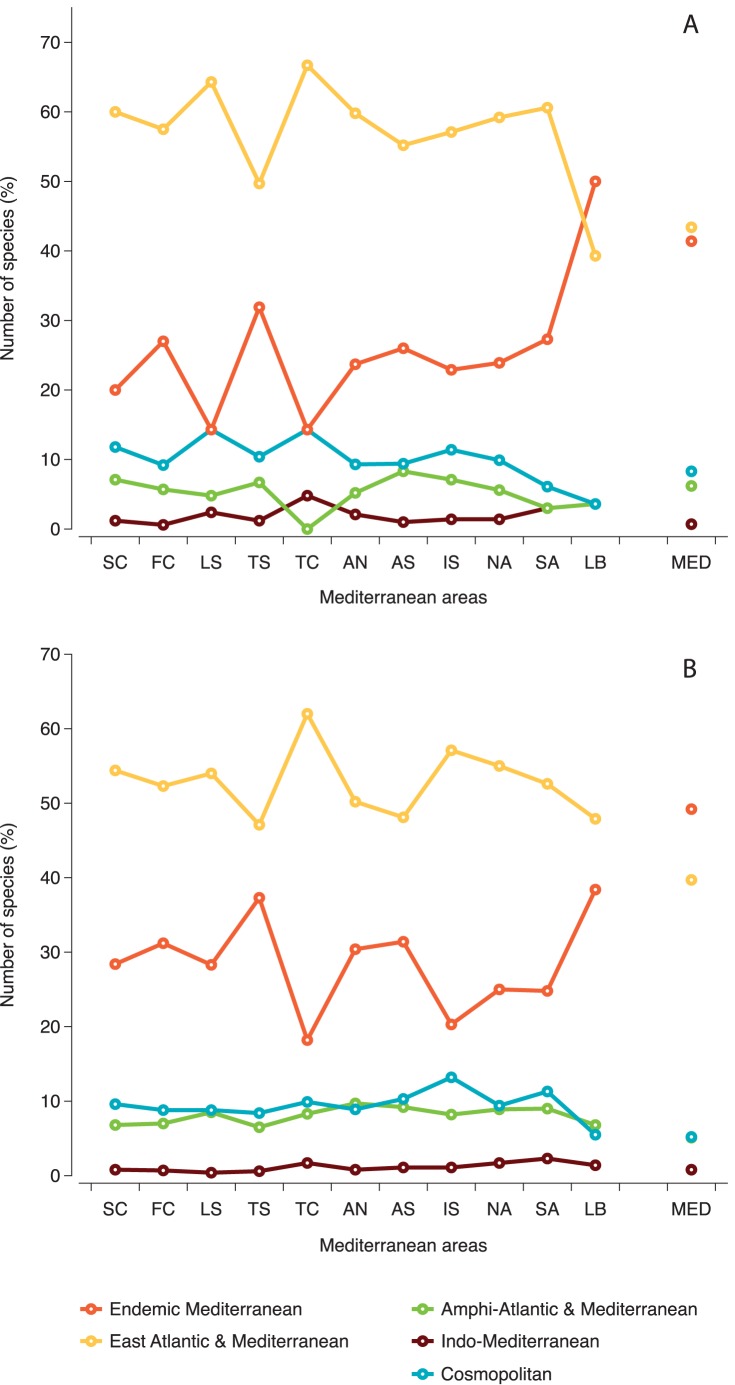
Marine caves are widely acknowledged for their unique biodiversity and constitute a typical feature of the Mediterranean coastline. Herein an attempt was made to evaluate the ecological significance of this particular ecosystem in the Mediterranean Sea, which is considered a biodiversity hotspot. This was accomplished by using Porifera, which dominate the rocky sublittoral substrata, as a reference group in a meta-analytical approach, combining primary research data from the Aegean Sea (eastern Mediterranean) with data derived from the literature. In total 311 species from all poriferan classes were recorded, representing 45.7% of the Mediterranean Porifera. Demospongiae and Homoscleromorpha are highly represented in marine caves at the family (88%), generic (70%), and species level (47.5%), the latter being the most favored group along with Dictyoceratida and Lithistida. Several rare and cave-exclusive species were reported from only one or few caves, indicating the fragmentation and peculiarity of this unique ecosystem. Species richness and phylogenetic diversity varied among Mediterranean areas; the former was positively correlated with research effort, being higher in the northern Mediterranean, while the latter was generally higher in caves than in the overall sponge assemblages of each area. Resemblance analysis among areas revealed that cavernicolous sponge assemblages followed a pattern quite similar to that of the overall Mediterranean assemblages. The same pattern was exhibited by the zoogeographic affinities of cave sponges: species with Atlanto-Mediterranean distribution and Mediterranean endemics prevailed (more than 40% each), 70% of them having warm-water affinities, since most caves were studied in shallow waters. According to our findings, Mediterranean marine caves appear to be important sponge biodiversity reservoirs of high representativeness and great scientific interest, deserving further detailed study and protection.
海洋洞穴因其独特的生物多样性而广为人知,是地中海海岸线的典型特征。本文试图评估地中海这一被认为是生物多样性热点地区这一特殊生态系统的生态意义。为此,我们选择了覆盖 rocky sublittoral 基质的多孔动物(Porifera)作为参考类群,采用元分析方法,结合来自爱琴海(地中海东部)的原始研究数据和文献中的数据。总共记录了来自所有多孔动物纲的 311 个物种,占地中海多孔动物的 45.7%。在海洋洞穴中,钙质海绵纲(Demospongiae)和玻璃海绵纲(Homoscleromorpha)在科(88%)、属(70%)和种(47.5%)水平上的代表性最高,后者是最受欢迎的类群,其次是寻常海绵目(Dictyoceratida)和石珊瑚目(Lithistida)。一些稀有的、仅在一个或少数几个洞穴中发现的特有种表明,该独特生态系统具有破碎化和特殊性。地中海各地区的物种丰富度和系统发育多样性存在差异;前者与研究投入呈正相关,在北地中海地区较高,而后者在洞穴中普遍高于各地区整体海绵组合。对各地区之间的相似性分析表明,洞穴海绵组合模式与整个地中海组合模式非常相似。洞穴海绵的动物地理亲缘关系也呈现出相同的模式:具有大西洋-地中海分布和地中海特有种的物种(各占 40%以上)占优势,其中 70%的物种具有暖水亲缘关系,因为大多数洞穴都是在浅水中进行研究的。根据我们的研究结果,地中海海洋洞穴似乎是具有高代表性和重要科学意义的海绵生物多样性的重要储库,值得进一步详细研究和保护。