Department of Anatomy and Neurobiology, Virginia Commonwealth University, Richmond, Virginia 23298-0709, USA.
Glia. 2012 Dec;60(12):1871-87. doi: 10.1002/glia.22403. Epub 2012 Aug 2.
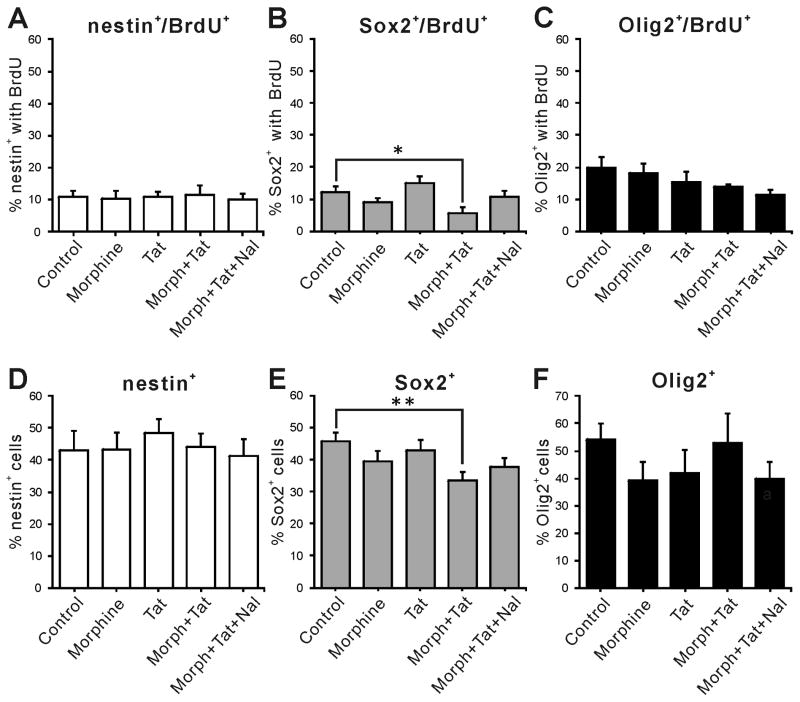
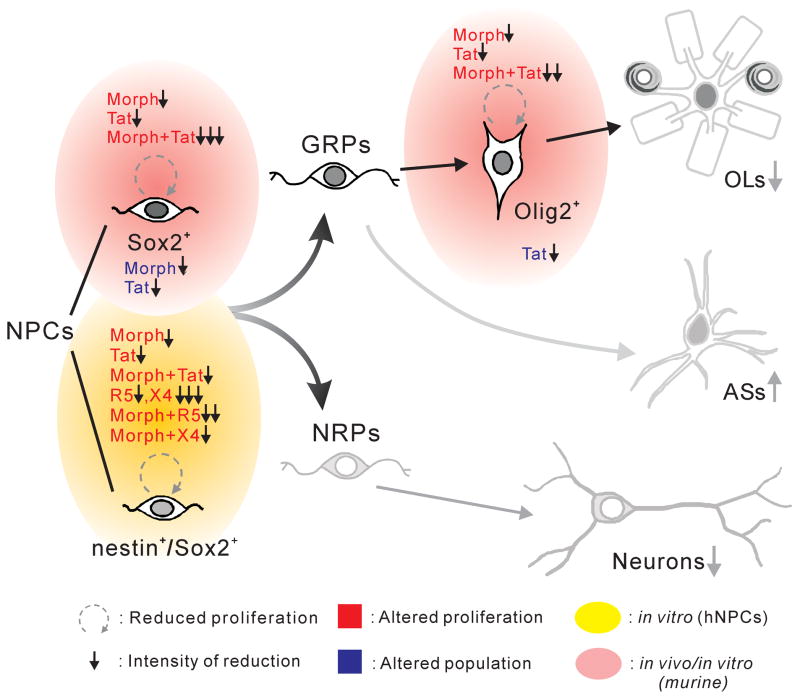
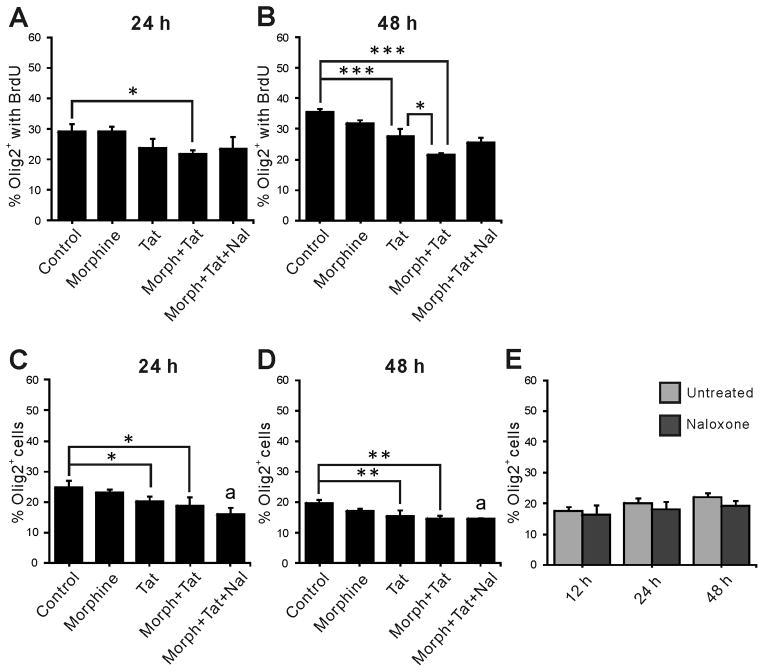
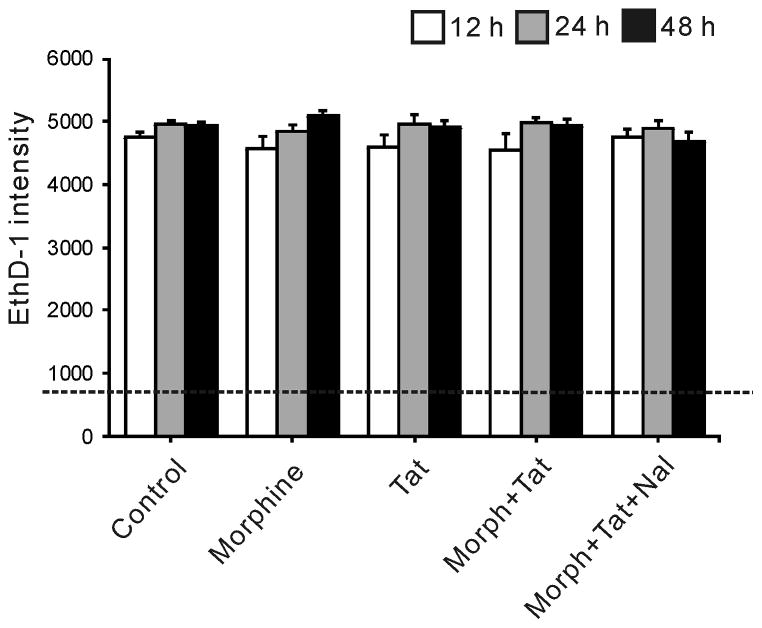
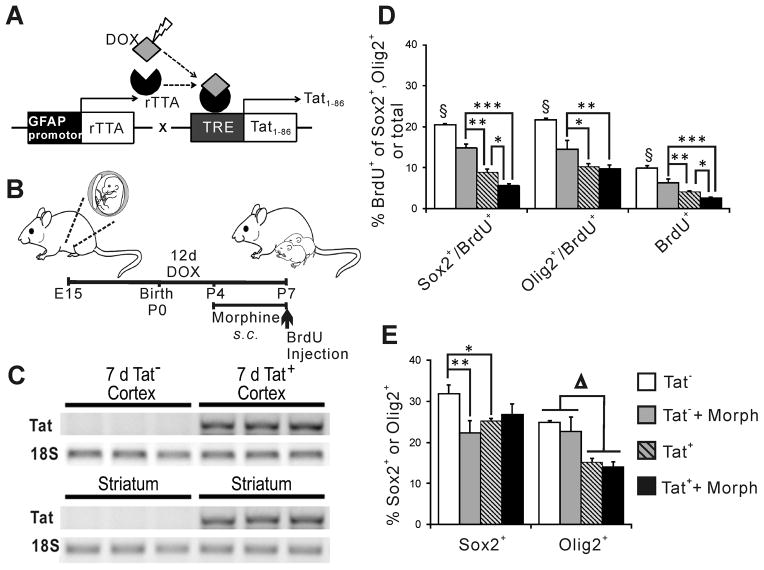
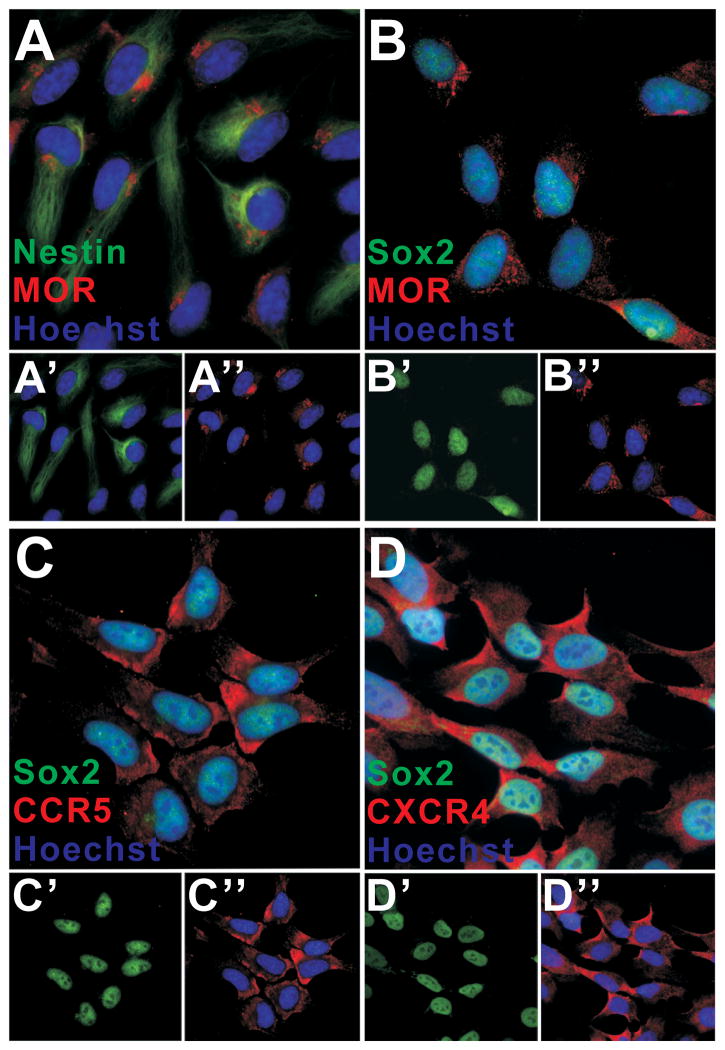
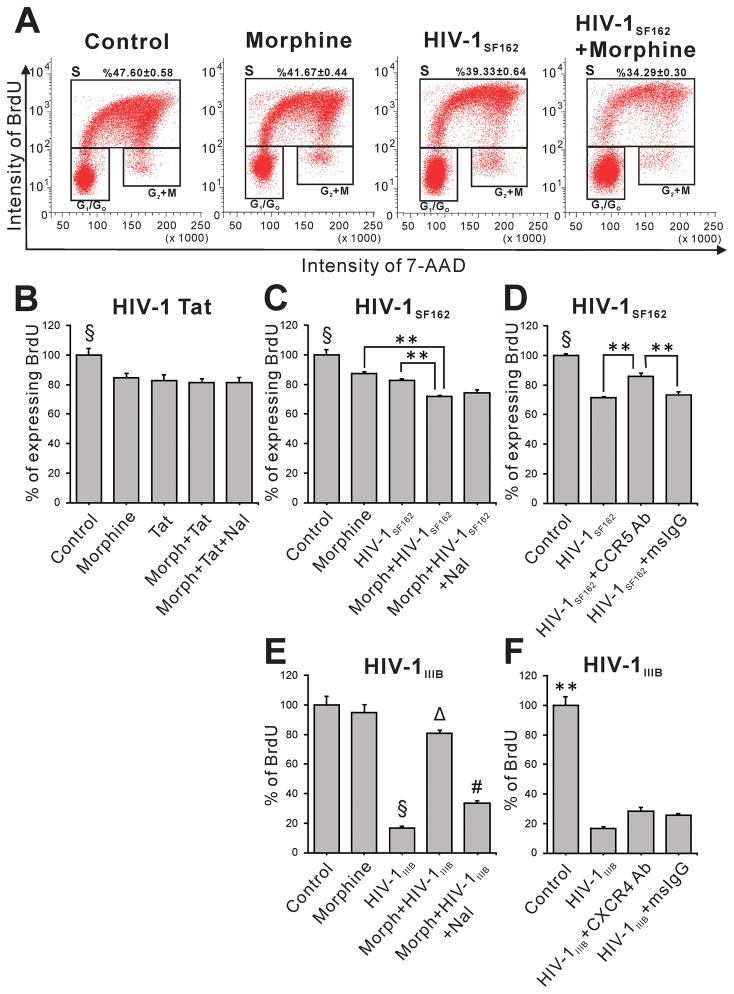
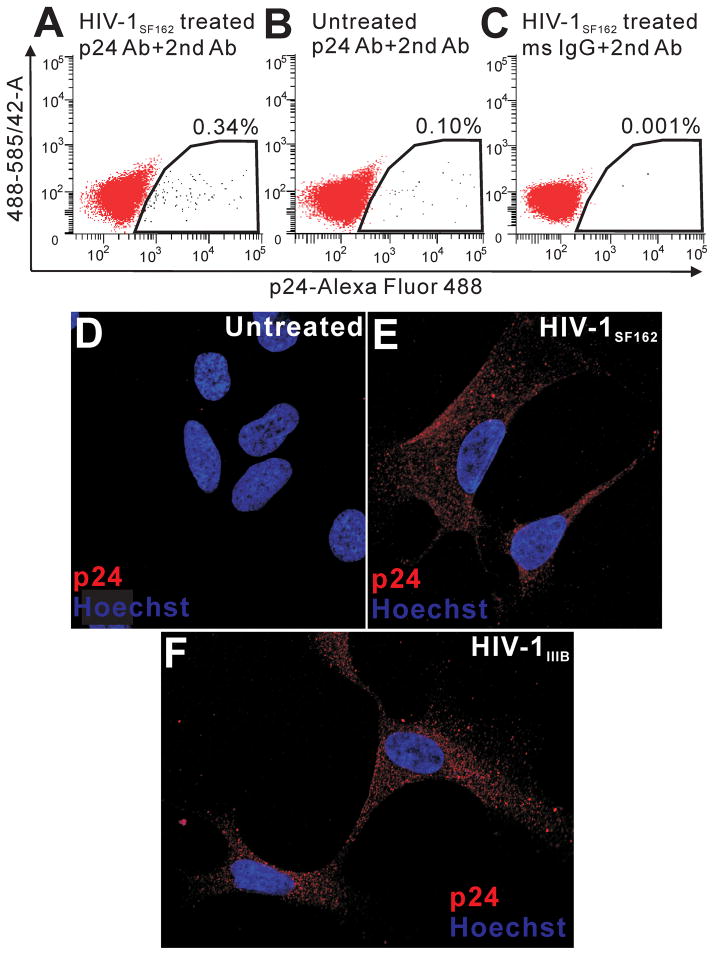
HIV-associated neurocognitive disorders (HANDs) are common sequelae of human immunodeficiency virus (HIV) infection, even when viral titers are well controlled by antiretroviral therapy. Evidence in patients and animal models suggests that neurologic deficits are increased during chronic opiate exposure. We have hypothesized that central nervous system (CNS) progenitor cells in both adult and developing CNS are affected by HIV infection and that opiates exacerbate these effects. To examine this question, neural progenitors were exposed to HIV-1 Tat(1-86) in the developing brain of inducible transgenic mice and in vitro. We examined whether Tat affected the proliferation or balance of progenitor populations expressing nestin, Sox2, and Olig2. Disease relevance was further tested by exposing human-derived progenitors to supernatant from HIV-1 infected monocytes. Studies concentrated on striatum, a region preferentially targeted by HIV and opiates. Results were similar among experimental paradigms. Tat or HIV exposure reduced the proliferation of undifferentiated (Sox2(+)) progenitors and oligodendroglial (Olig2(+)) progenitors. Coexposure to morphine exacerbated the effects of Tat or HIV-1(SF162) supernatant, but partially reversed HIV-1(IIIB) supernatant effects. Populations of Sox2(+) and Olig2(+) cells were also reduced by Tat exposure, although progenitor survival was unaffected. In rare instances, p24 immunolabeling was detected in viable human progenitors by confocal imaging. The vulnerability of progenitors is likely to distort the dynamic balance among neuron/glial populations as the brain matures, perhaps contributing to reports that neurologic disease is especially prevalent in pediatric HIV patients. Pediatric disease is atypical in developed regions but remains a serious concern in resource-limited areas where infection occurs commonly at birth and through breast feeding.
人类免疫缺陷病毒(HIV)感染后常出现与神经认知障碍相关的并发症(HANDs),即使病毒载量通过抗逆转录病毒疗法得到很好的控制也是如此。患者和动物模型的证据表明,慢性阿片类药物暴露会增加神经功能缺损。我们假设,HIV 感染会影响成年和发育中中枢神经系统(CNS)的祖细胞,而阿片类药物会加剧这些影响。为了研究这个问题,我们将 HIV-1 Tat(1-86) 暴露于诱导型转基因小鼠和体外发育中的中枢神经系统祖细胞中。我们研究了 Tat 是否会影响表达巢蛋白、Sox2 和 Olig2 的祖细胞群体的增殖或平衡。通过将人类来源的祖细胞暴露于 HIV-1 感染的单核细胞上清液中来进一步测试疾病相关性。研究集中在纹状体,HIV 和阿片类药物优先靶向的区域。实验方案中的结果相似。Tat 或 HIV 暴露减少了未分化(Sox2(+))祖细胞和少突胶质细胞(Olig2(+))祖细胞的增殖。吗啡共暴露加剧了 Tat 或 HIV-1(SF162)上清液的作用,但部分逆转了 HIV-1(IIIB)上清液的作用。Tat 暴露也减少了 Sox2(+)和 Olig2(+)细胞群体,尽管祖细胞的存活率不受影响。在极少数情况下,通过共聚焦成像在存活的人类祖细胞中检测到 p24 免疫标记。由于大脑成熟过程中神经元/神经胶质群体之间的动态平衡被破坏,祖细胞的易损性可能导致神经疾病在儿科 HIV 患者中尤为普遍,这或许可以解释这一现象。在发达地区,儿科疾病并不常见,但在资源有限的地区仍然是一个严重的问题,这些地区的感染通常发生在出生时和通过母乳喂养。