Division of Gynecologic Oncology, Department of Obstetrics and Gynecology, University of California at Irvine, Irvine, CA, USA.
Int J Womens Health. 2012;4:395-404. doi: 10.2147/IJWH.S29467. Epub 2012 Aug 3.
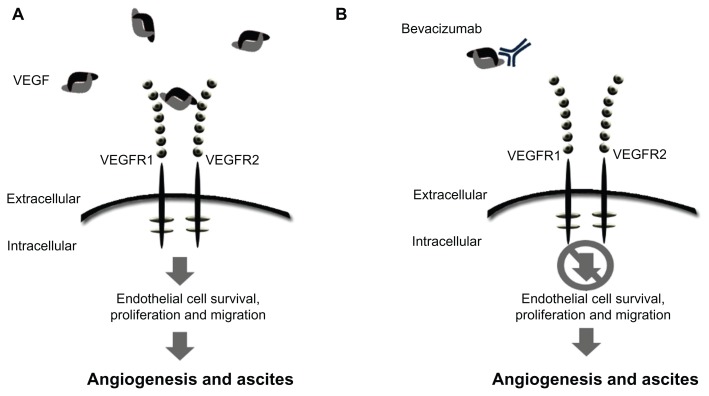
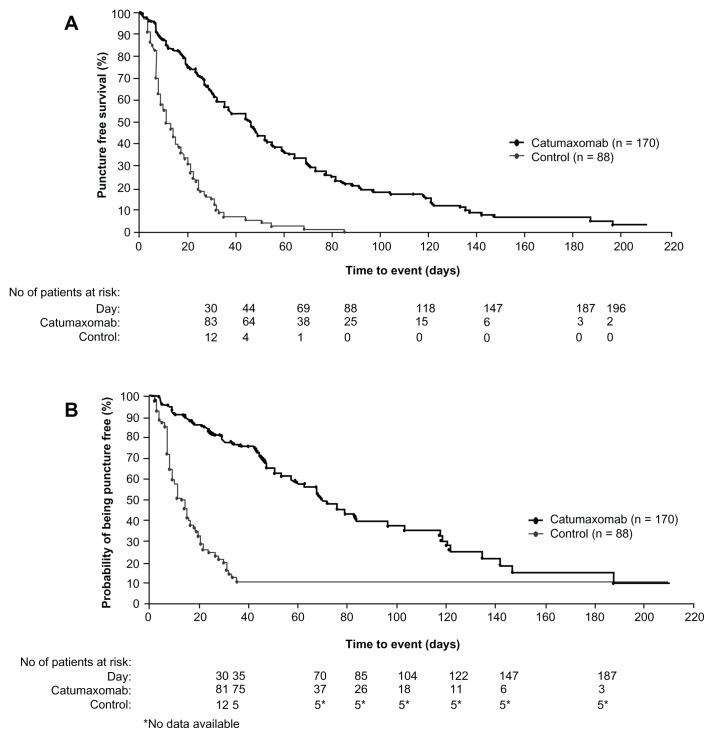
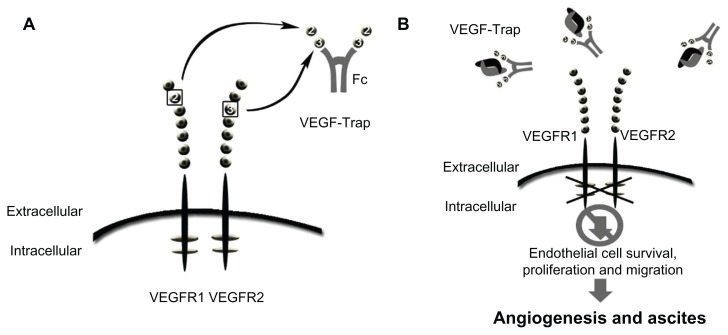
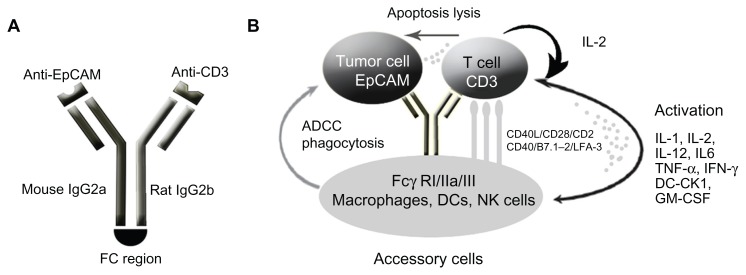
Malignant ascites affects approximately 10% of patients with recurrent epithelial ovarian cancer and is associated with troublesome symptoms, including abdominal pressure and distension, dyspnea, bloating, pelvic pain, and bowel/bladder dysfunction. To date, no effective therapy has been identified for the treatment of malignant ascites in patients with recurrent, advanced ovarian cancer. In this article, we discuss currently existing options for the treatment of ascites associated with ovarian cancer, and review the literature as it pertains to novel, targeted therapies. Specifically, preclinical and clinical trials exploring the use of the antiangiogenic agents, bevacizumab and vascular endothelial growth factor-trap, as well as the nonangiogenic agent, catumaxomab, will be reviewed. Despite current limitations in treatment, knowledge regarding management options in the palliation of ascites is critical to practicing physicians. Ultimately, as with all novel therapies, symptom relief and treatment goals must be weighed against patient discomfort and potentially significant adverse events.
恶性腹水影响约 10%的复发性上皮性卵巢癌患者,与麻烦的症状有关,包括腹部压力和膨胀、呼吸困难、腹胀、盆腔疼痛和肠/膀胱功能障碍。迄今为止,尚未发现针对复发性晚期卵巢癌患者恶性腹水的有效治疗方法。在本文中,我们讨论了目前治疗与卵巢癌相关腹水的选择,并回顾了与新型靶向治疗相关的文献。具体来说,将回顾探讨使用抗血管生成药物贝伐珠单抗和血管内皮生长因子陷阱,以及非血管生成药物卡妥索单抗的临床前和临床试验。尽管目前的治疗方法存在局限性,但了解在姑息治疗中腹水管理的选择对执业医生来说至关重要。最终,与所有新型疗法一样,必须权衡症状缓解和治疗目标与患者的不适和潜在的严重不良事件。