Centro Interdisciplinar de Investigação Marinha e Ambiental (CIIMAR), Porto, Portugal.
PLoS One. 2012;7(8):e44297. doi: 10.1371/journal.pone.0044297. Epub 2012 Aug 31.
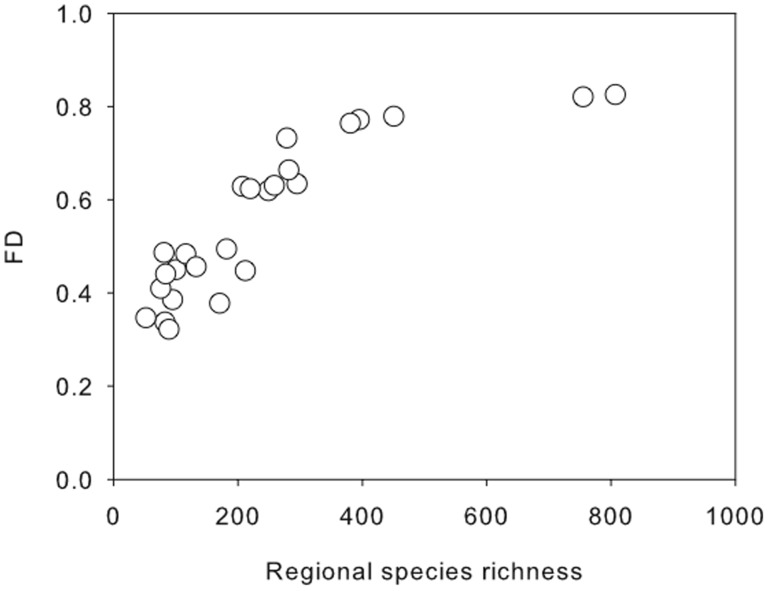
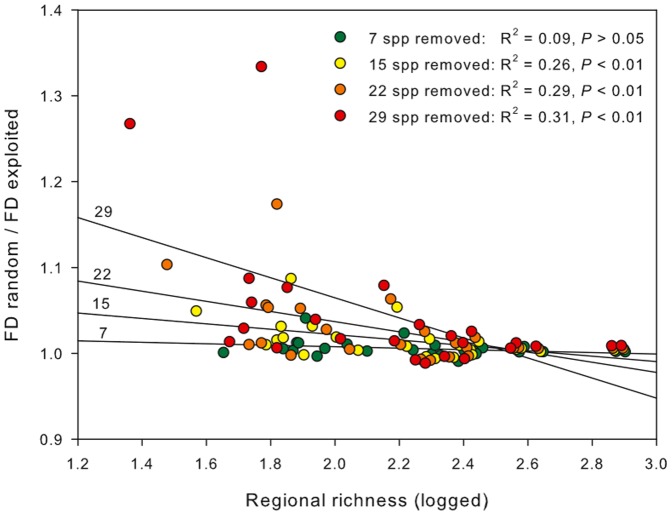
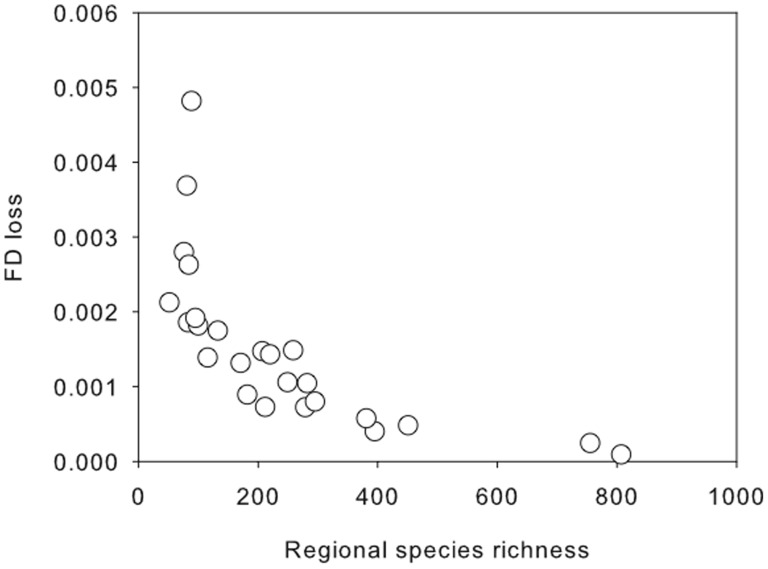
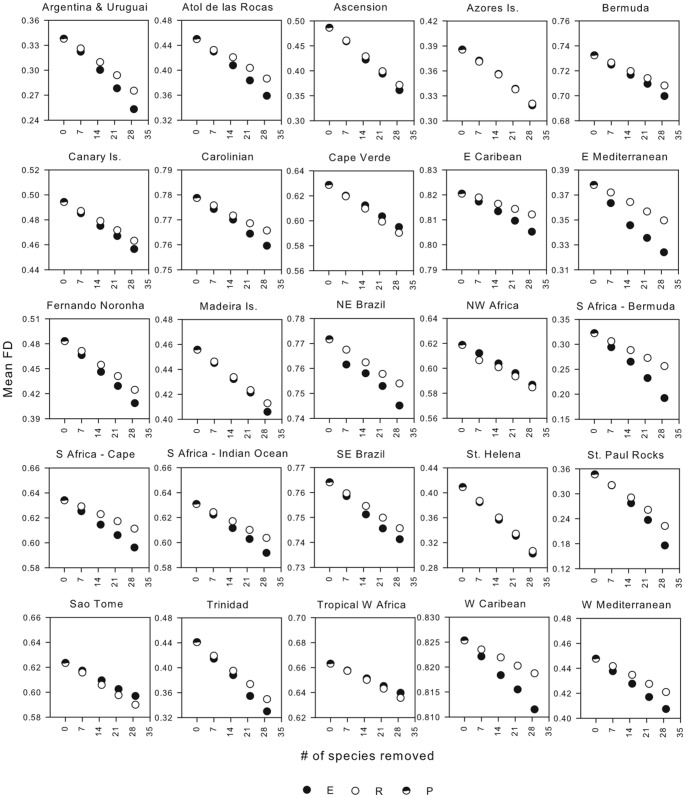
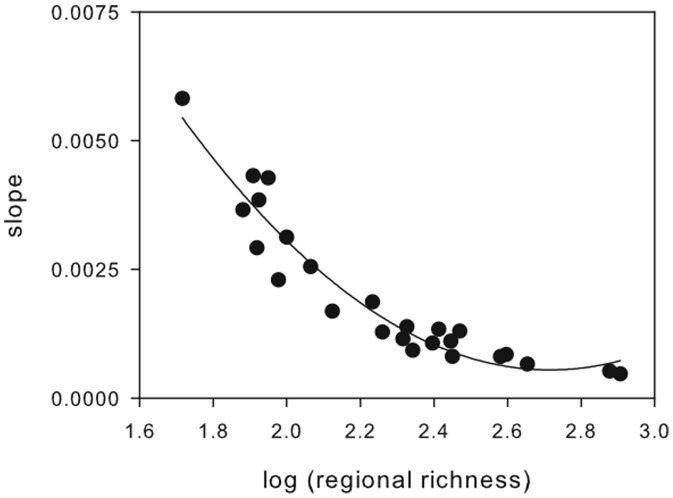
The potential population and community level impacts of fishing have received considerable attention, but little is known about how fishing influences communities' functional diversity at regional scales. We examined how estimates of functional diversity differed among 25 regions of variable richness and investigated the functional consequences of removing species targeted by commercial fisheries. Our study shows that fishing leads to substantial losses in functional diversity. The magnitude of such loss was, however, reduced in the more speciose regions. Moreover, the removal of commercially targeted species caused a much larger reduction in functional diversity than expected by random species deletions, which was a consequence of the selective nature of fishing for particular species traits. Results suggest that functional redundancy is spatially variable, that richer biotas provide some degree of insurance against the impact of fishing on communities' functional diversity and that fishing predominantly selects for particular species traits. Understanding how fishing impacts community functional diversity is key to predict its effects for biodiversity as well as ecosystem functioning.
捕捞对潜在种群和群落水平的影响已受到广泛关注,但对于捕捞如何影响区域尺度上群落的功能多样性却知之甚少。我们研究了 25 个不同丰富度区域的功能多样性估计值有何差异,并探讨了去除商业渔业目标物种的功能后果。研究表明,捕捞导致功能多样性的大量丧失。然而,在物种丰富度更高的区域,这种损失的幅度较小。此外,与随机物种删除相比,商业目标物种的移除导致功能多样性的减少幅度要大得多,这是由于捕捞对特定物种特征的选择性。研究结果表明,功能冗余具有空间变异性,生物多样性丰富的地区在一定程度上可以防止捕捞对群落功能多样性的影响,并且捕捞主要选择特定的物种特征。了解捕捞如何影响群落的功能多样性对于预测其对生物多样性和生态系统功能的影响至关重要。