Kayani Waleed Tallat, Huang Henry D, Bandeali Salman, Virani Salim S, Wilson James M, Birnbaum Yochai
Department of Medicine, Baylor College of Medicine, Houston, Texas 77030, USA.
Glob J Health Sci. 2012 Apr 28;4(3):51-63. doi: 10.5539/gjhs.v4n3p51.
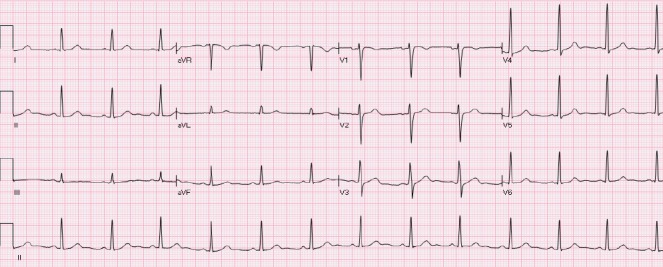
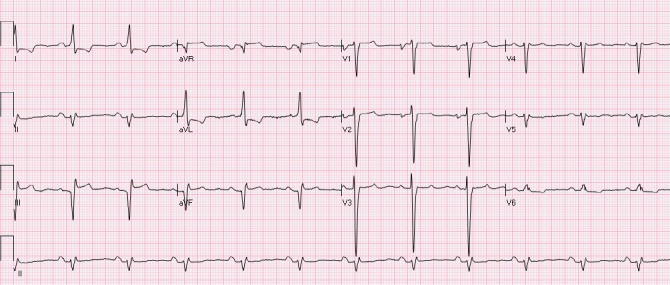
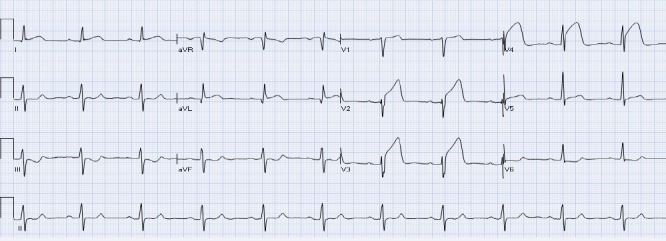
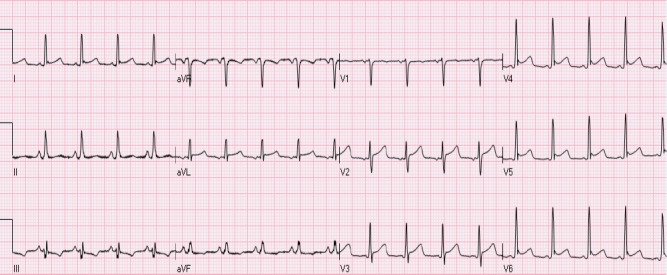
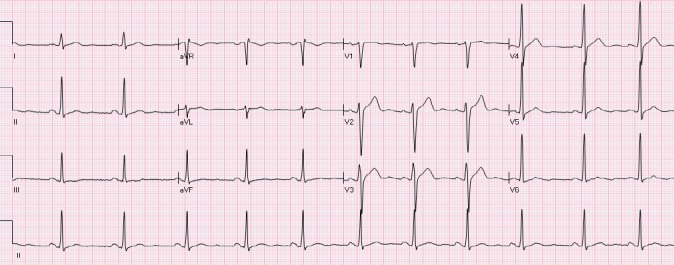
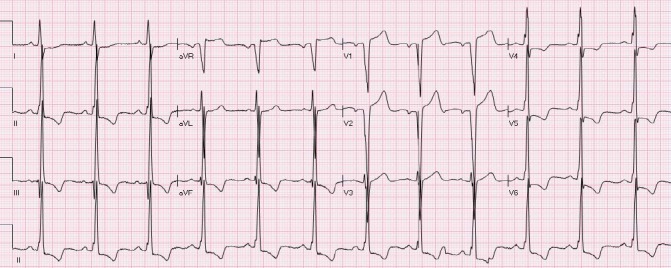
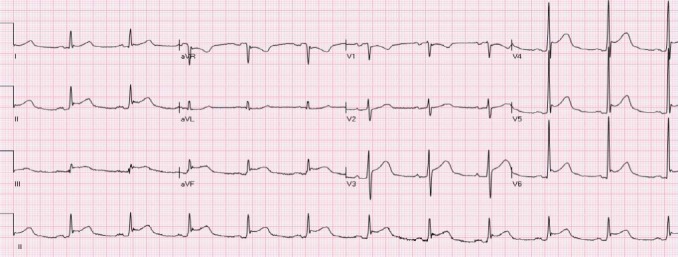
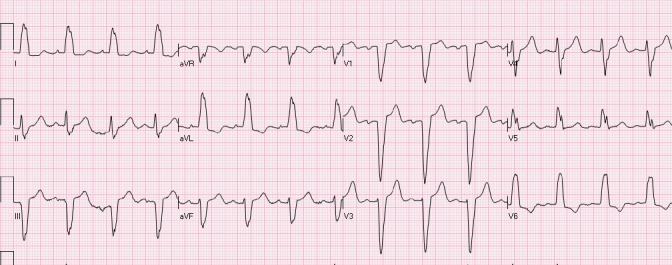
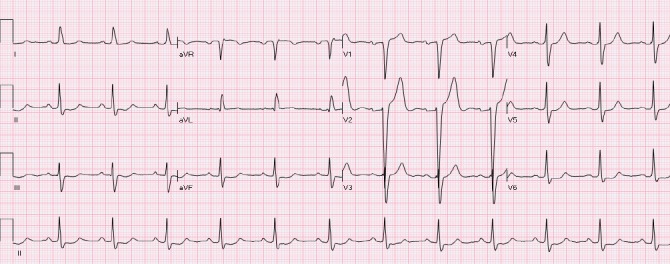
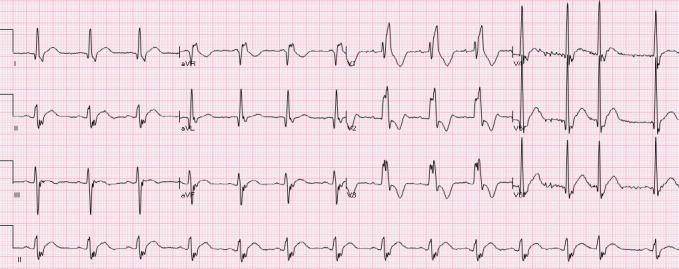
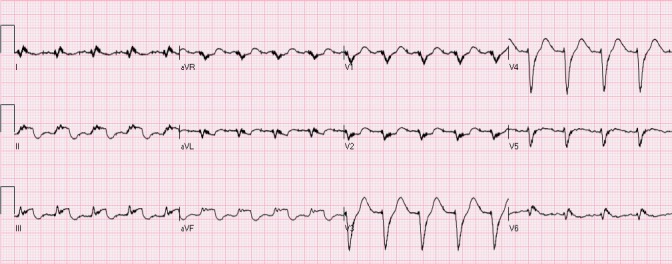
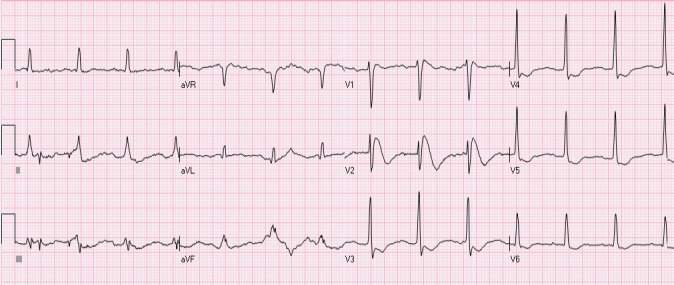
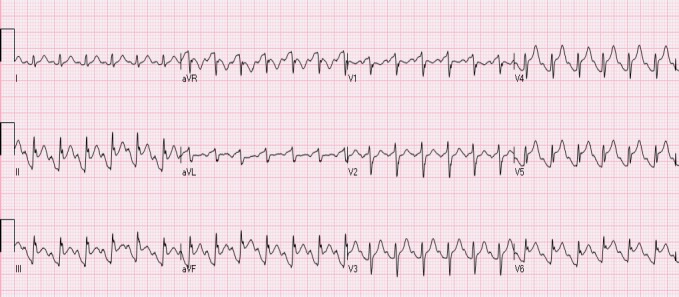
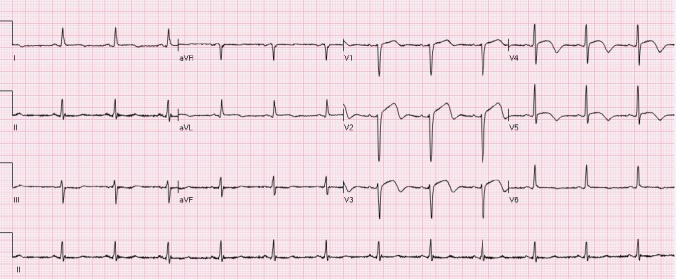
Benefits of early reperfusion in patients presenting with acute ST elevation myocardial infarction (STEMI) are well known. The American College of Cardiology / American Heart Association guidelines recommend triage decisions are made within 10 minutes of performing initial electrocardiogram (ECG). Since many patients presenting with ischemic symptoms may have ST elevation (STE) at baseline, not all STE signify transmural ischemia. Benign patterns can be easy to find in some cases. However, patients with benign STE at baseline (left ventricular hypertrophy, early repolarization pattern) may have ongoing ischemia and present with Non-ST elevation myocardial infarction (NSTEMI) or even STEMI superimposed on the benign pattern. The ability of clinicians to distinguish between ischemic and non ischemic STE varies widely and is affected by prevalence of such changes in patient population. More studies need to be done to delineate the criteria to clearly distinguish between ischemic and non ischemic ST elevation.
急性ST段抬高型心肌梗死(STEMI)患者早期再灌注的益处已广为人知。美国心脏病学会/美国心脏协会指南建议在进行初始心电图(ECG)后10分钟内做出分诊决定。由于许多出现缺血症状的患者基线时可能有ST段抬高(STE),并非所有STE都意味着透壁缺血。在某些情况下,良性模式很容易发现。然而,基线时有良性STE(左心室肥厚、早期复极模式)的患者可能存在持续性缺血,并表现为非ST段抬高型心肌梗死(NSTEMI),甚至在良性模式基础上叠加STEMI。临床医生区分缺血性和非缺血性STE的能力差异很大,并且受患者群体中此类变化的患病率影响。需要进行更多研究来明确区分缺血性和非缺血性ST段抬高的标准。