Department of Pharmacology and Toxicology, Ernest Mario School of Pharmacy, Rutgers University, Piscataway, NJ 08854, USA.
Toxicol Appl Pharmacol. 2012 Dec 15;265(3):279-91. doi: 10.1016/j.taap.2012.08.027. Epub 2012 Sep 6.
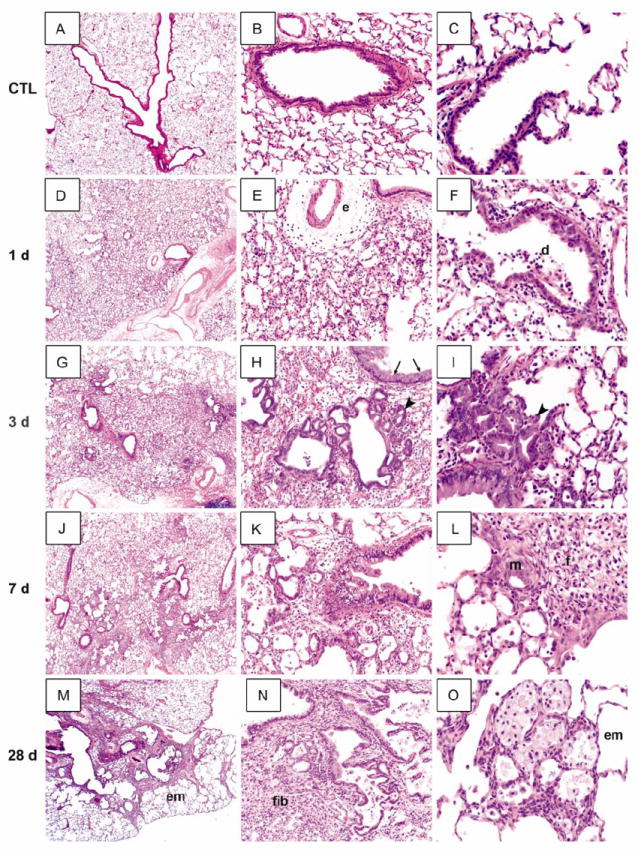
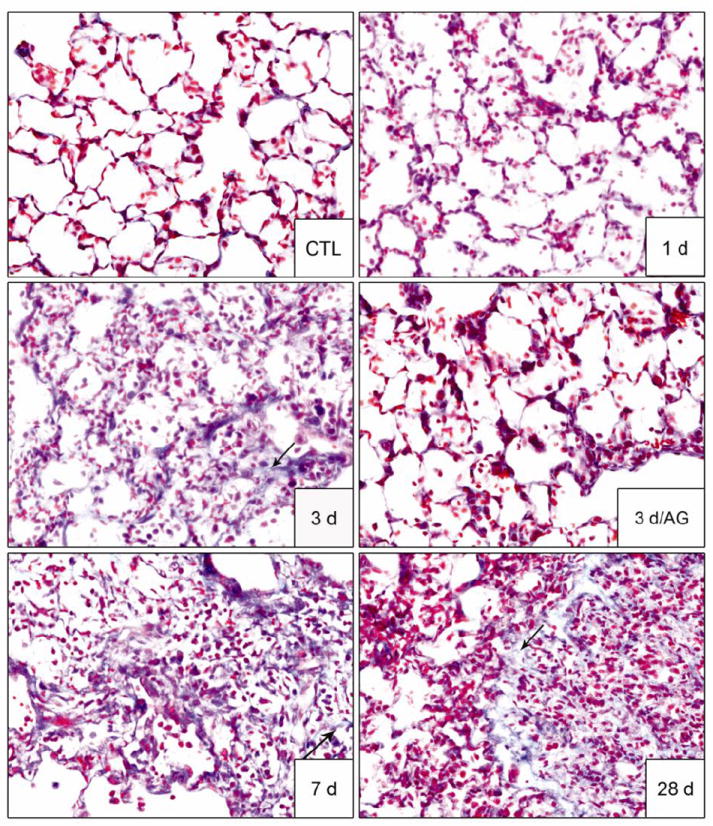
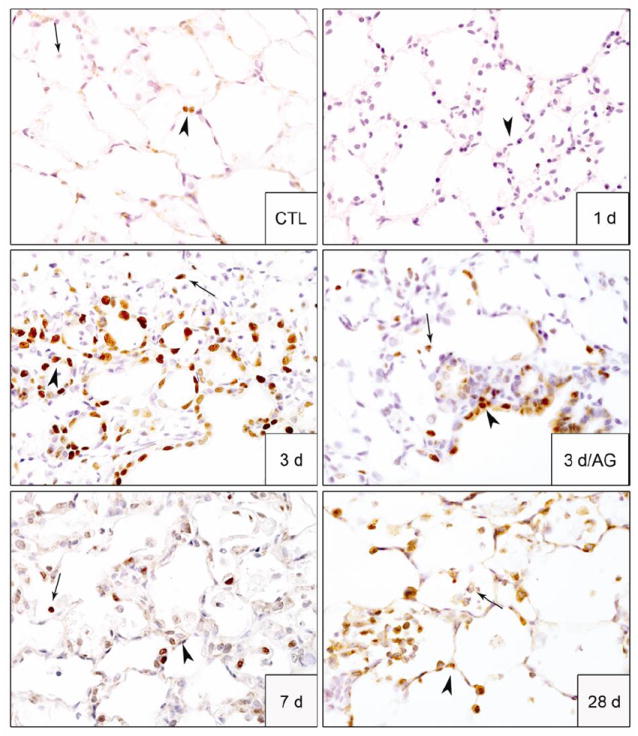
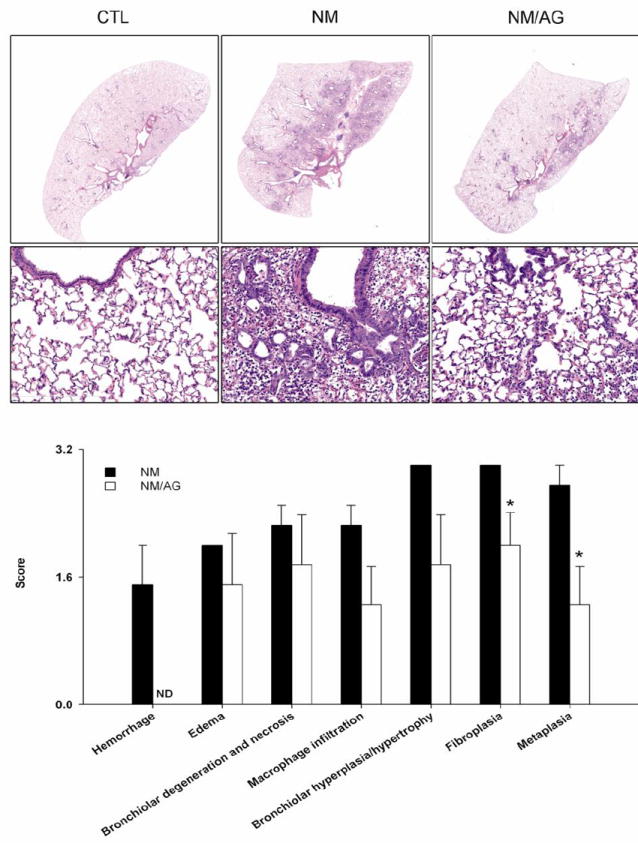
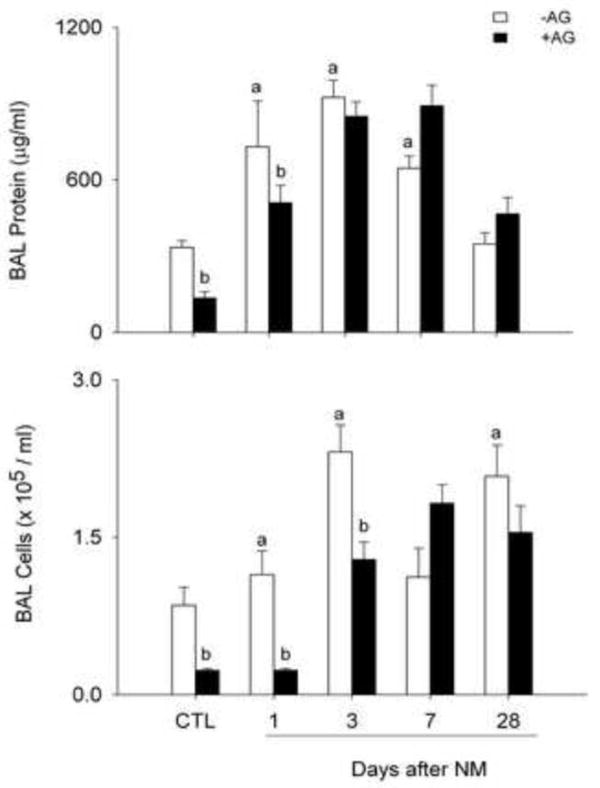
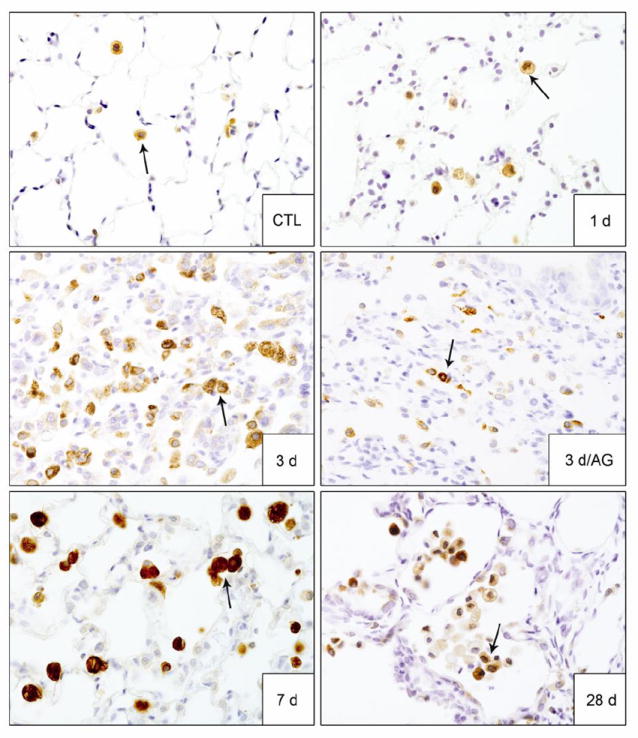
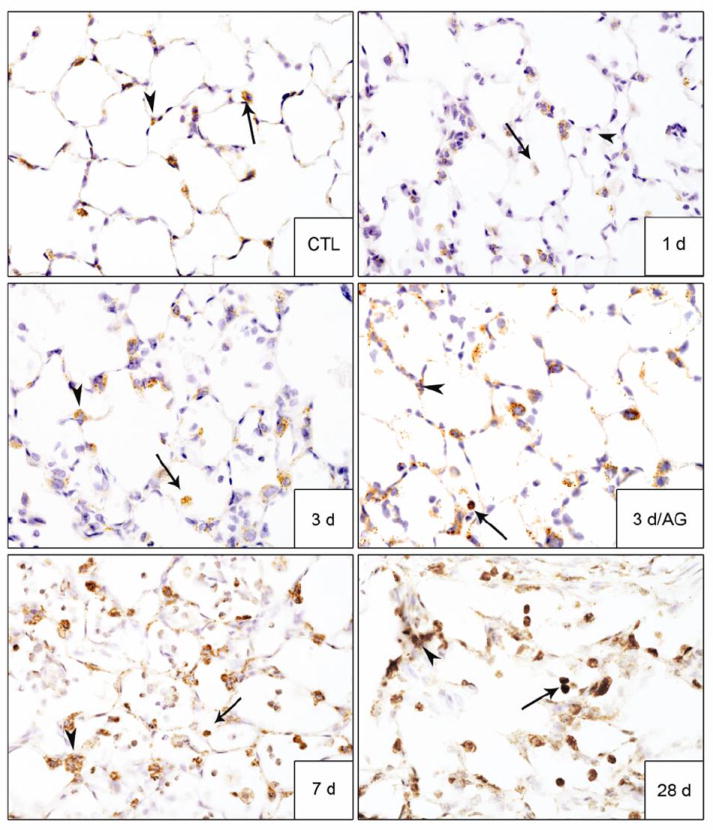
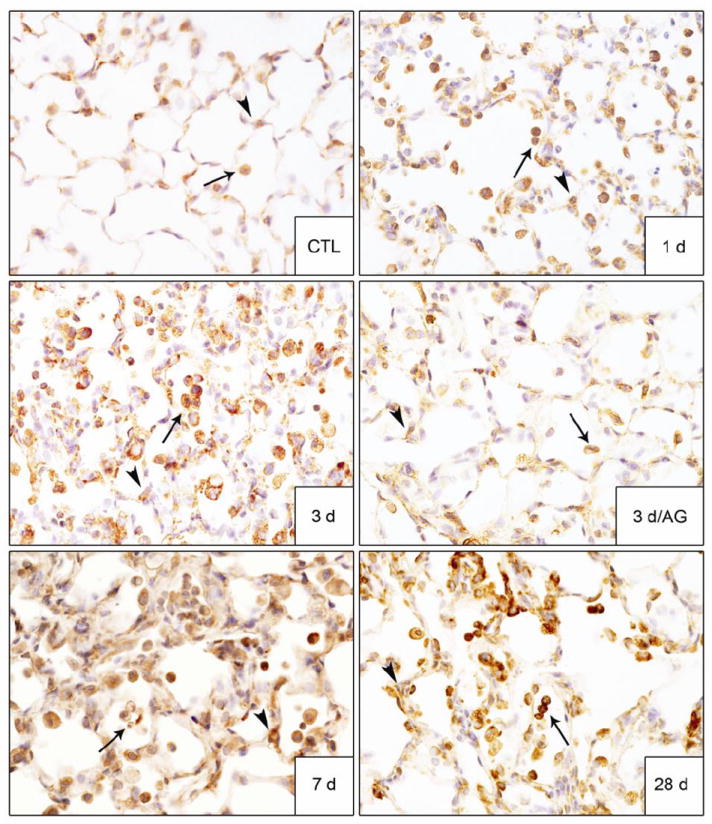
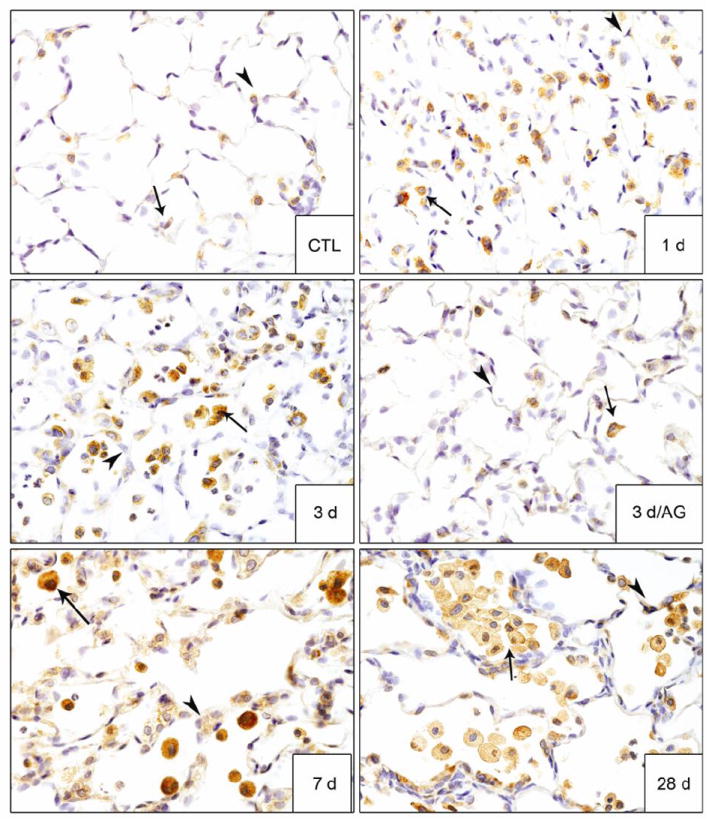
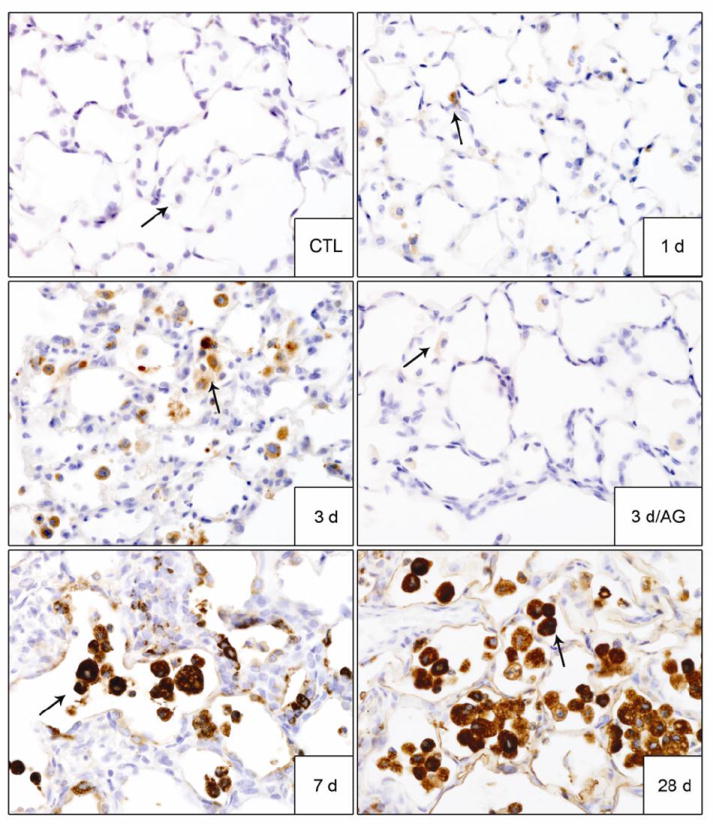
Nitrogen mustard (NM) is a toxic vesicant known to cause damage to the respiratory tract. Injury is associated with increased expression of inducible nitric oxide synthase (iNOS). In these studies we analyzed the effects of transient inhibition of iNOS using aminoguanidine (AG) on NM-induced pulmonary toxicity. Rats were treated intratracheally with 0.125 mg/kg NM or control. Bronchoalveolar lavage fluid (BAL) and lung tissue were collected 1 d-28 d later and lung injury, oxidative stress and fibrosis assessed. NM exposure resulted in progressive histopathological changes in the lung including multifocal lesions, perivascular and peribronchial edema, inflammatory cell accumulation, alveolar fibrin deposition, bronchiolization of alveolar septal walls, and fibrosis. This was correlated with trichrome staining and expression of proliferating cell nuclear antigen (PCNA). Expression of heme oxygenase (HO)-1 and manganese superoxide dismutase (Mn-SOD) was also increased in the lung following NM exposure, along with levels of protein and inflammatory cells in BAL, consistent with oxidative stress and alveolar-epithelial injury. Both classically activated proinflammatory (iNOS⁺ and cyclooxygenase-2⁺) and alternatively activated profibrotic (YM-1⁺ and galectin-3⁺) macrophages appeared in the lung following NM administration; this was evident within 1d, and persisted for 28 d. AG administration (50 mg/kg, 2×/day, 1d-3 d) abrogated NM-induced injury, oxidative stress and inflammation at 1d and 3d post exposure, with no effects at 7 d or 28 d. These findings indicate that nitric oxide generated via iNOS contributes to acute NM-induced lung toxicity, however, transient inhibition of iNOS is not sufficient to protect against pulmonary fibrosis.
氮芥(NM)是一种已知的有毒发泡剂,会导致呼吸道损伤。损伤与诱导型一氧化氮合酶(iNOS)的表达增加有关。在这些研究中,我们分析了使用氨基胍(AG)短暂抑制 iNOS 对 NM 诱导的肺毒性的影响。大鼠经气管内给予 0.125mg/kg NM 或对照。1 天-28 天后收集支气管肺泡灌洗液(BAL)和肺组织,并评估肺损伤、氧化应激和纤维化。NM 暴露导致肺的进行性组织病理学变化,包括多灶性病变、血管周围和支气管周围水肿、炎症细胞积聚、肺泡纤维蛋白沉积、肺泡间隔壁细支气管化和纤维化。这与三染色和增殖细胞核抗原(PCNA)的表达相关。NM 暴露后,血红素加氧酶(HO)-1 和锰超氧化物歧化酶(Mn-SOD)在肺中的表达也增加,BAL 中的蛋白质和炎症细胞水平也增加,这与氧化应激和肺泡上皮损伤一致。NM 给药后,肺中出现经典激活的促炎(iNOS⁺和环加氧酶-2⁺)和替代激活的促纤维化(YM-1⁺和半乳糖凝集素-3⁺)巨噬细胞;这在 1 天内明显,并持续 28 天。AG 给药(50mg/kg,2×/天,1 天-3 天)在暴露后 1 天和 3 天减轻 NM 诱导的损伤、氧化应激和炎症,而在 7 天或 28 天没有影响。这些发现表明,iNOS 产生的一氧化氮有助于 NM 诱导的急性肺毒性,但短暂抑制 iNOS 不足以预防肺纤维化。