School of Biological Sciences, Nanyang Technological University, Singapore 637551, Singapore.
Virology. 2012 Nov 25;433(2):421-30. doi: 10.1016/j.virol.2012.08.037. Epub 2012 Sep 18.
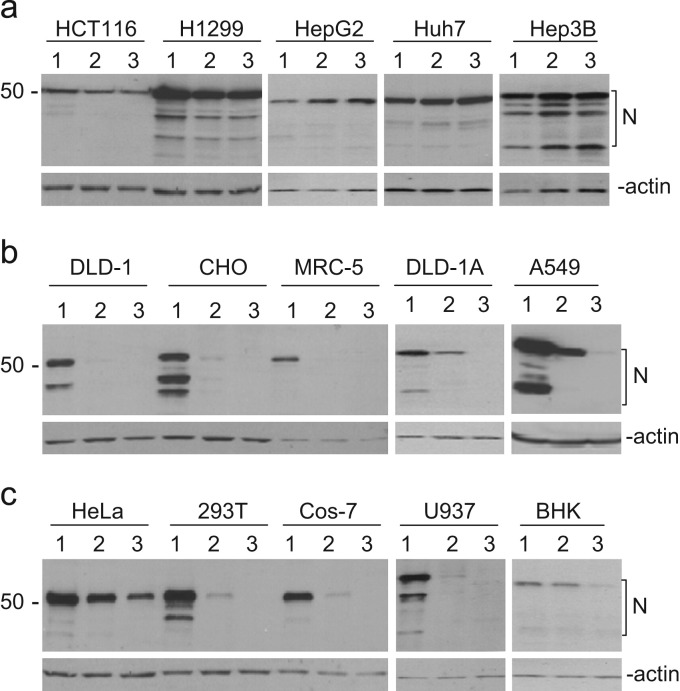
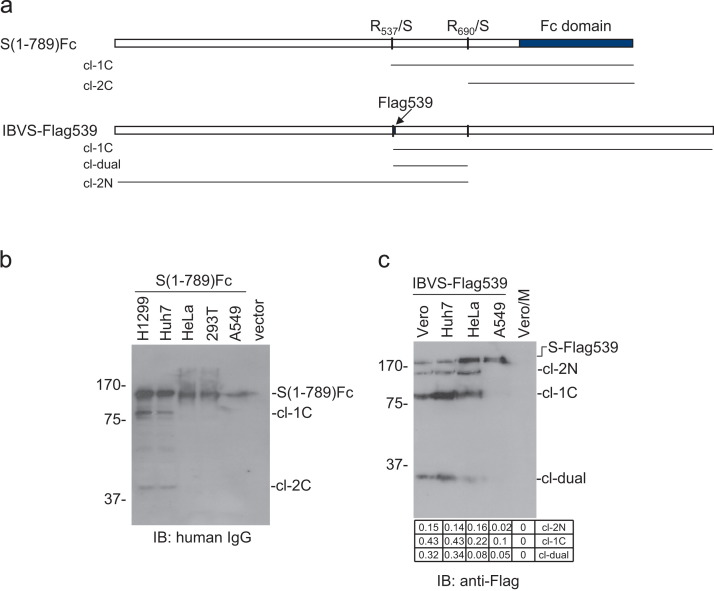
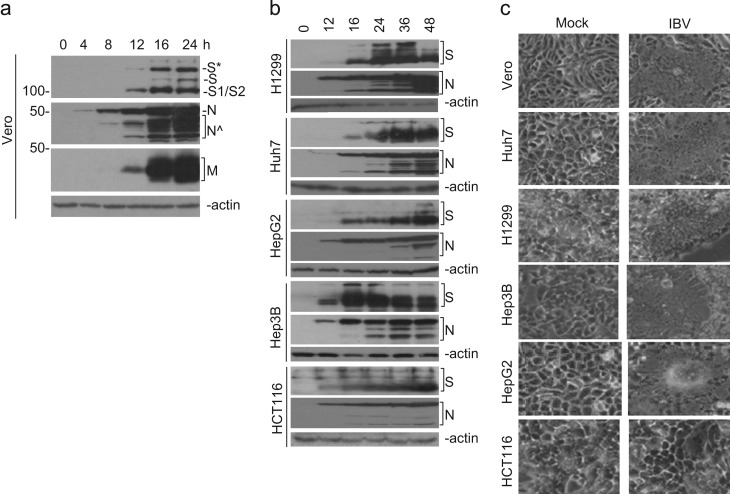
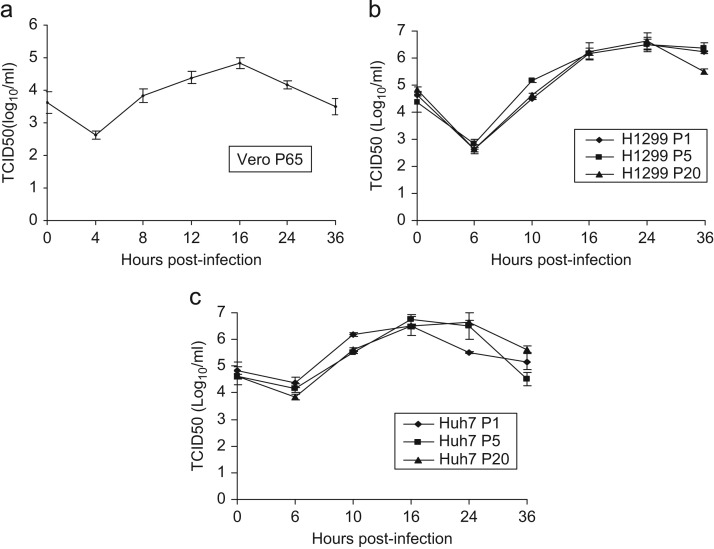
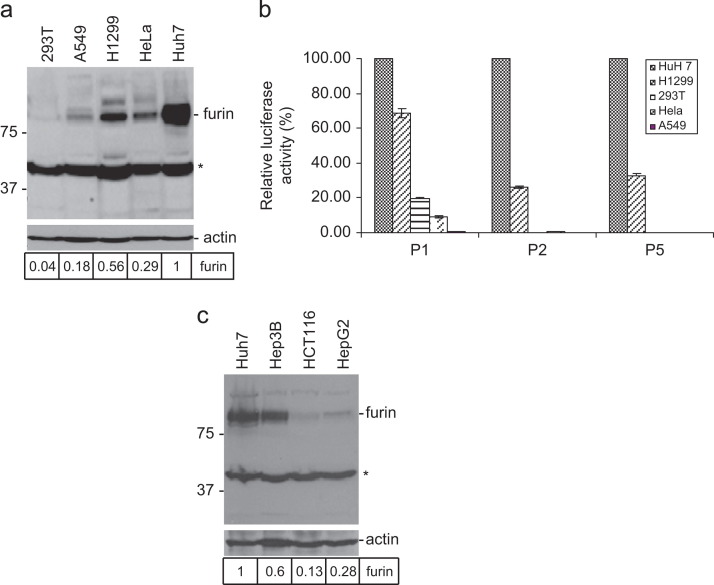
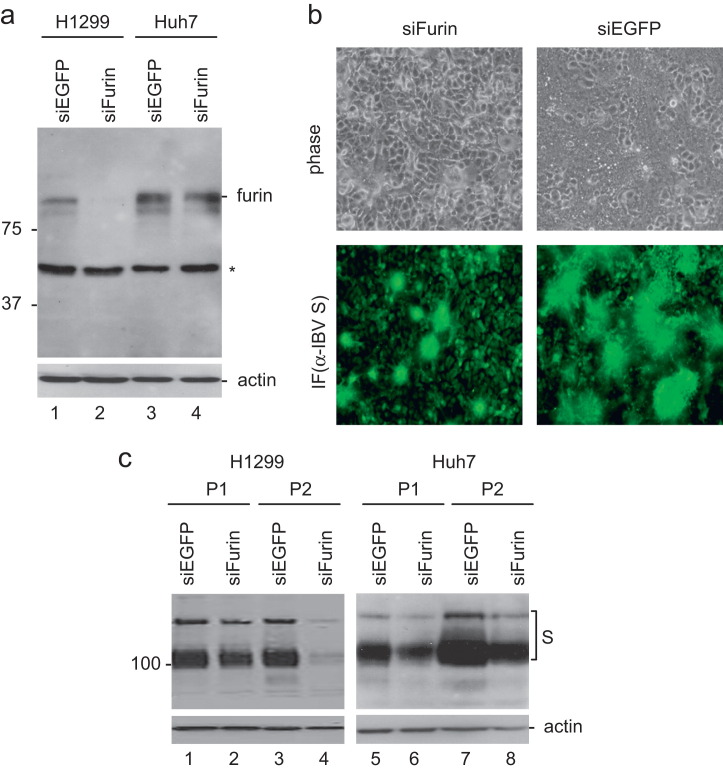
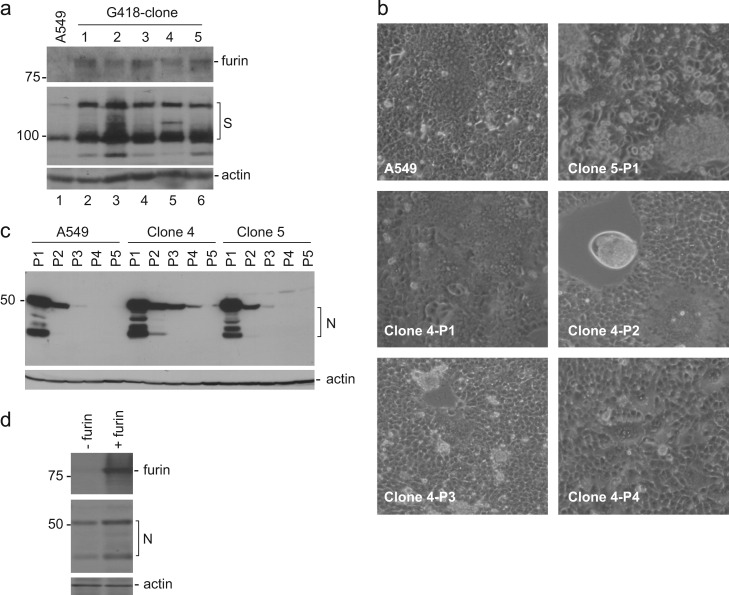
In previous studies, the Beaudette strain of coronavirus infectious bronchitis virus (IBV) was adapted from chicken embryo to Vero, a monkey kidney cell line, by serial propagation for 65 passages. To characterize the susceptibility of other human and animal cells to IBV, 15 human and animal cell lines were infected with the Vero-adapted IBV and productive infection was observed in four human cell lines: H1299, HepG2, Hep3B and Huh7. In other cell lines, the virus cannot be propagated beyond passage 5. Interestingly, cellular furin abundance in five human cell lines was shown to be strongly correlated with productive IBV infection. Cleavage of IBV spike protein by furin may contribute to the productive IBV infection in these cells. The findings that IBV could productively infect multiple human and animal cells of diverse tissue and organ origins would provide a useful system for studying the pathogenesis of coronavirus.
在之前的研究中,传染性支气管炎病毒(IBV)的 Beaudette 株通过在 Vero(一种猴肾细胞系)上连续传代 65 代从鸡胚中适应而来。为了研究其他人和动物细胞对 IBV 的易感性,将 15 种人和动物细胞系用适应于 Vero 的 IBV 感染,在四种人细胞系中观察到了有效的感染:H1299、HepG2、Hep3B 和 Huh7。在其他细胞系中,病毒不能超过第 5 代进行繁殖。有趣的是,五个细胞系中的细胞弗林蛋白酶丰度与有效的 IBV 感染呈强相关。弗林蛋白酶对 IBV 刺突蛋白的切割可能有助于这些细胞中有效的 IBV 感染。发现 IBV 能够有效地感染多种组织和器官来源的人和动物细胞,这将为冠状病毒发病机制的研究提供一个有用的系统。