ERMI, Inc, Atlanta, Georgia.
Sports Health. 2011 Nov;3(6):520-3. doi: 10.1177/1941738111415233.
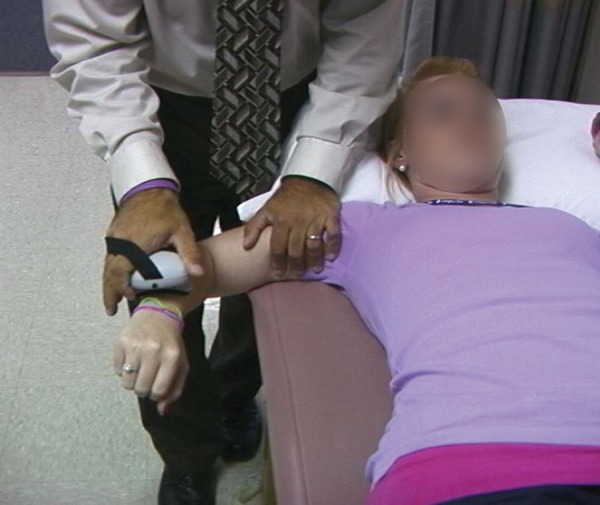
Passive stretching exercise protocols, as part of outpatient treatment or home exercise programs, are used to improve hypomobility. Despite the cosmopolitan use of stretching exercises, little is known about the forces being applied to the joint during these routine treatments.
Clinical review.
Articles were identified using MEDLINE and Google Scholar databases, with searches initially limited to those articles published after 1995. Seminal articles that were referenced were also included.
Many factors contribute to the clinical success of a stretching program, including the frequency, intensity, and duration of the stretching exercises, as well as patient- and joint-specific factors.
The goal of a stretching protocol is to maximize total end-range time both in the clinic and at home. Higher intensity, prolonged, and frequent stretching (10- to 15-minute bouts, 3 to 6 times per day) used as an adjunct to high-grade mobilizations may be beneficial for certain hypomobility conditions.
被动拉伸运动作为门诊治疗或家庭运动计划的一部分,用于改善活动受限。尽管拉伸运动的应用已经非常普遍,但对于这些常规治疗过程中施加在关节上的力知之甚少。
临床综述。
使用 MEDLINE 和 Google Scholar 数据库进行文献检索,最初的搜索仅限于 1995 年后发表的文章。也包括引用的开创性文章。
许多因素有助于拉伸计划的临床成功,包括拉伸运动的频率、强度和持续时间,以及患者和关节的具体因素。
拉伸方案的目标是最大限度地增加诊所和家庭中总末端范围时间。高强度、长时间和频繁的拉伸(10-15 分钟一次,每天 3-6 次)作为高级松动术的辅助手段,可能对某些活动受限的情况有益。