Department of Earth and Atmospheric Sciences, University of Alberta, Edmonton, Canada.
PLoS One. 2012;7(9):e45537. doi: 10.1371/journal.pone.0045537. Epub 2012 Sep 19.
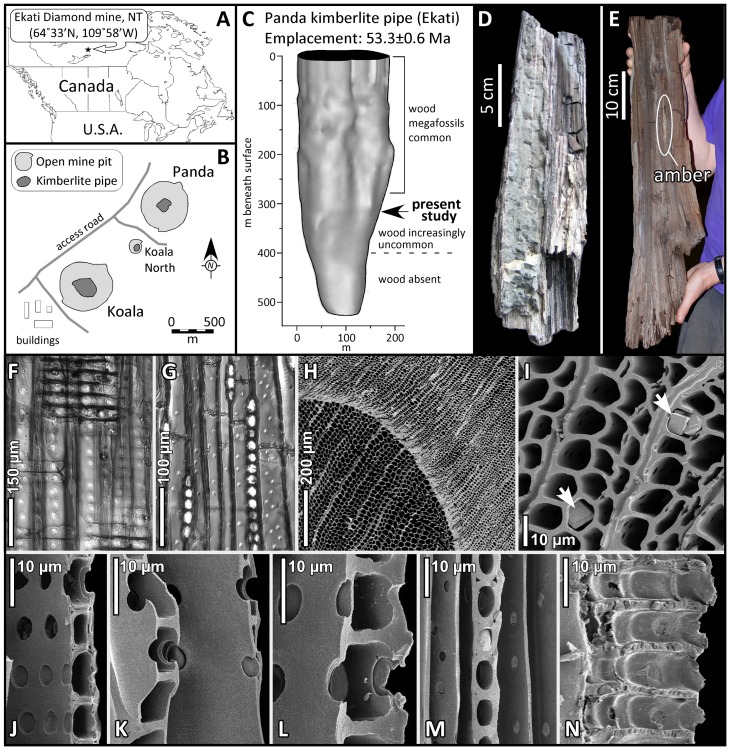
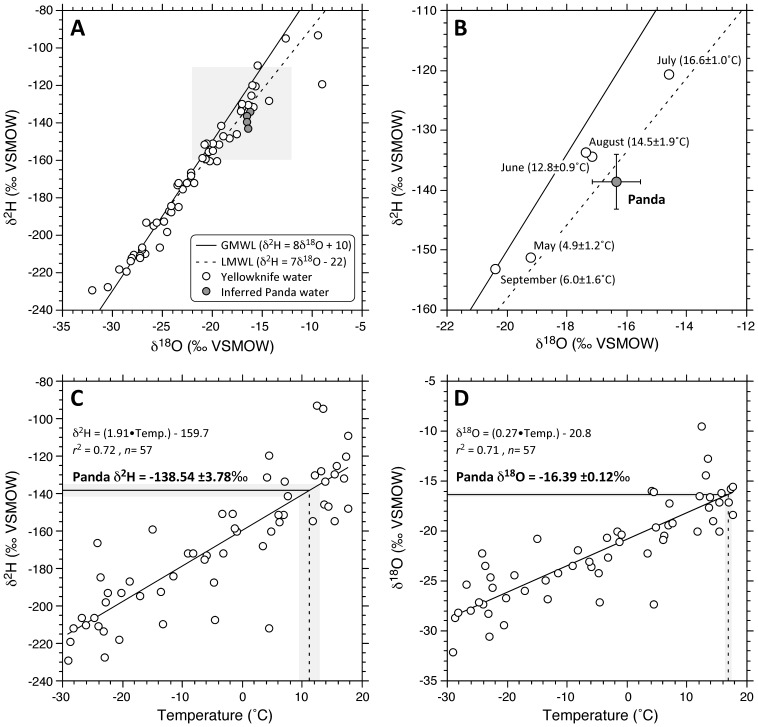
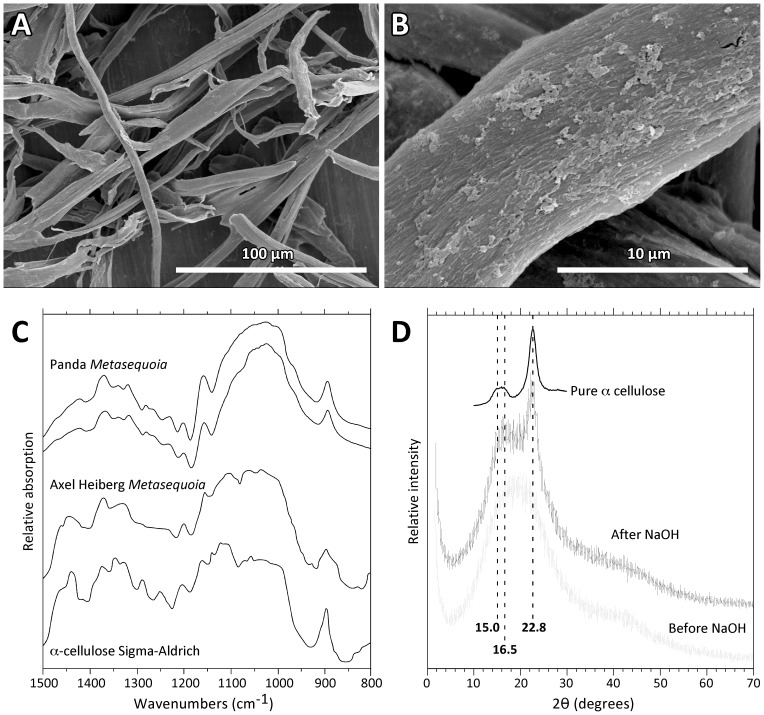
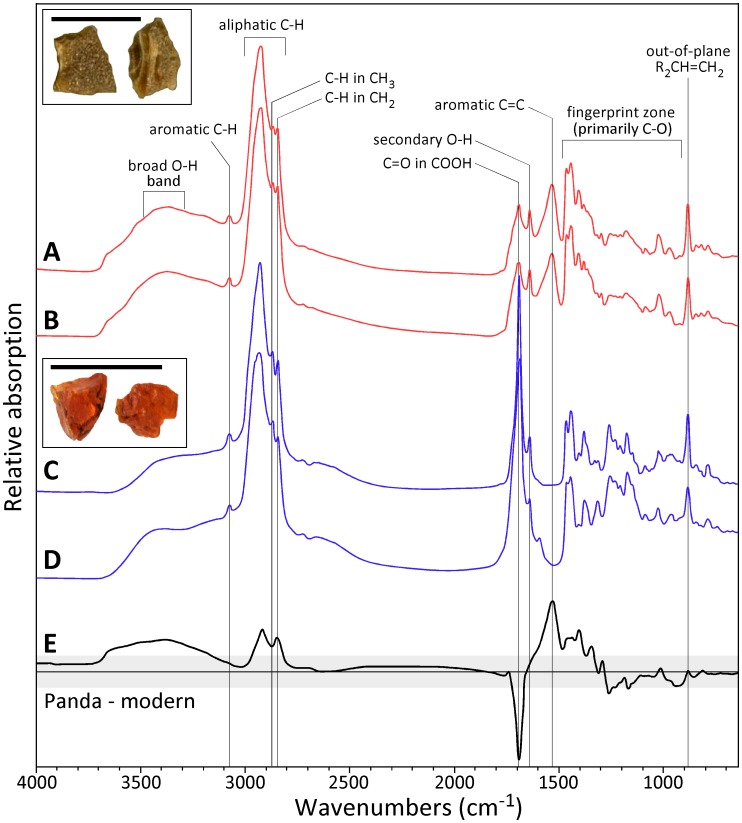
We report exceptional preservation of fossil wood buried deeply in a kimberlite pipe that intruded northwestern Canada's Slave Province 53.3±0.6 million years ago (Ma), revealed during excavation of diamond source rock. The wood originated from forest surrounding the eruption zone and collapsed into the diatreme before resettling in volcaniclastic kimberlite to depths >300 m, where it was mummified in a sterile environment. Anatomy of the unpermineralized wood permits conclusive identification to the genus Metasequoia (Cupressaceae). The wood yields genuine cellulose and occluded amber, both of which have been characterized spectroscopically and isotopically. From cellulose δ(18)O and δ(2)H measurements, we infer that Early Eocene paleoclimates in the western Canadian subarctic were 12-17°C warmer and four times wetter than present. Canadian kimberlites offer Lagerstätte-quality preservation of wood from a region with limited alternate sources of paleobotanical information.
我们报告了一个异常保存的化石木材,它被深埋在一个金伯利岩管中,这个金伯利岩管侵入了加拿大西北部的奴隶省,时间是 5330 万年前(Ma),是在挖掘钻石源岩时发现的。这些木材来源于围绕着喷发区的森林,在坍塌到岩筒中后,又重新沉淀在火山碎屑状的金伯利岩中,深度超过 300 米,在那里它们在无菌环境中被木乃伊化。未矿化木材的解剖结构允许对其进行到属的明确鉴定,即水杉(柏科)。木材产生了真正的纤维素和被包埋的琥珀,这两者都已经通过光谱和同位素特征进行了描述。根据纤维素的 δ(18)O 和 δ(2)H 测量,我们推断出,在加拿大亚北极地区早始新世的古气候比现在温暖 12-17°C,湿度是现在的四倍。加拿大的金伯利岩为来自古植物学信息有限的地区的木材提供了类似于“拉古萨”的保存质量。