Hosseini Seyed Younes, Sabahi Farzaneh, Moazzeni Seyed Mohammad, Modarressi Mohammad Hossein, Saberi Firoozi Mehdi, Ravanshad Mehrdad
Department of Virology, Tarbiat Modares University, Tehran, IR Iran ; Gastroentero -Hepatology Research Center, Shiraz University of Medical Sciences, Shiraz, IR Iran.
Hepat Mon. 2012 Aug;12(8):e6130. doi: 10.5812/hepatmon.6130. Epub 2012 Aug 14.
In spite of dozens of clinical trials to establish effective therapeutic and/or preventive vaccine to resolve HCV infection, no real vaccine has been proved to date. Genetic vaccines based on replication-defective adenoviruses have proved to elicit strong and long lasting T-cell responses against a number of viral antigens and are even currently being used for vaccine trials in humans. According to the controversy in the immune modulatory effects of both core and NS3 full length genes, it seemed more practical to employ some parts of these HCV proteins for vaccine design.
To generate recombinant Adenoviral vectors containing new overlapping-truncated region of NS3 gene or both the N- and C-terminal deleted parts of core gene, as well as a fusion fragment derived from both of them.
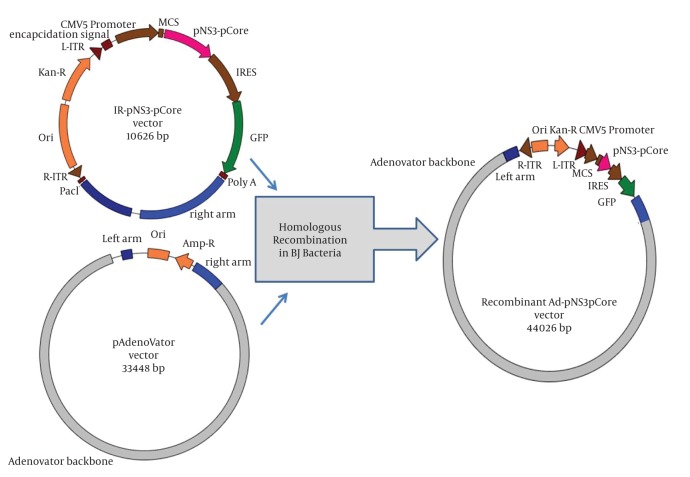
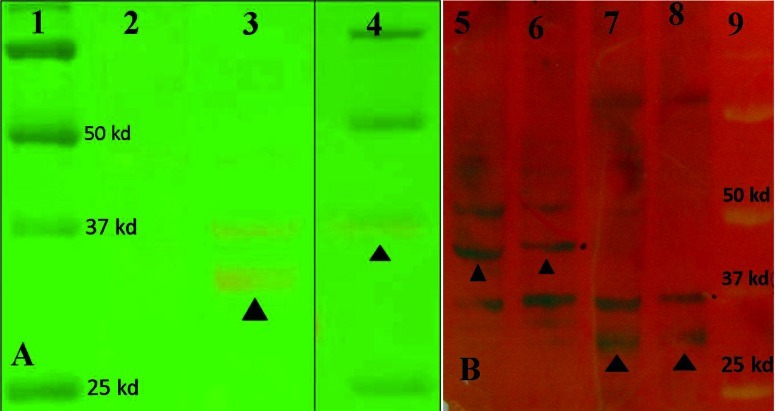
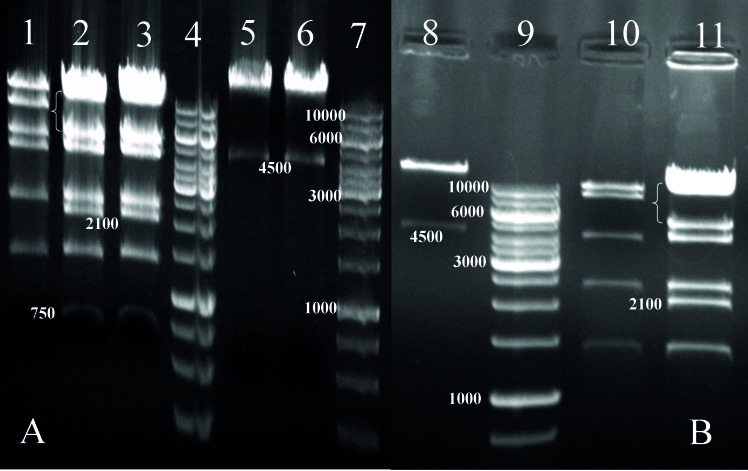
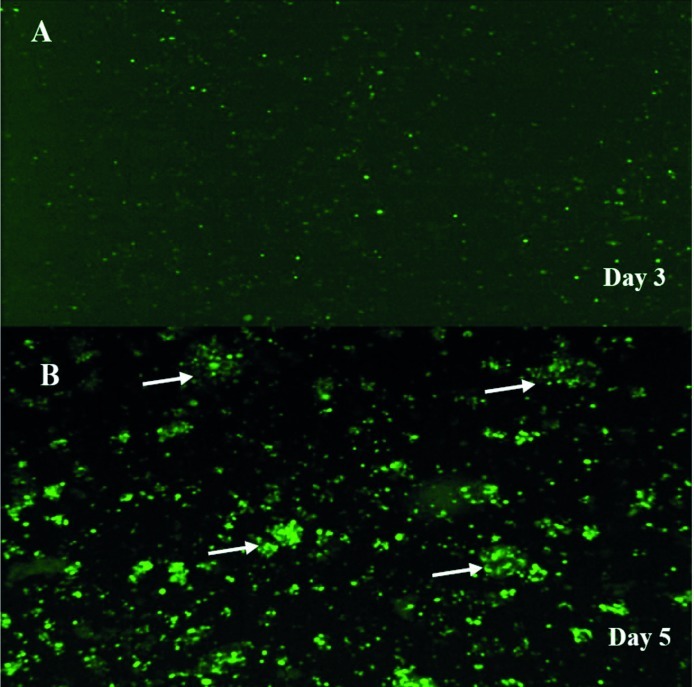
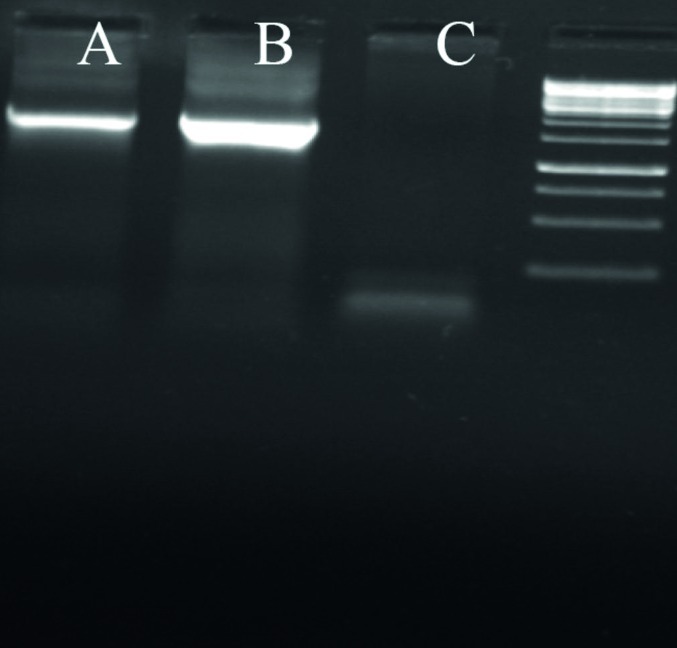
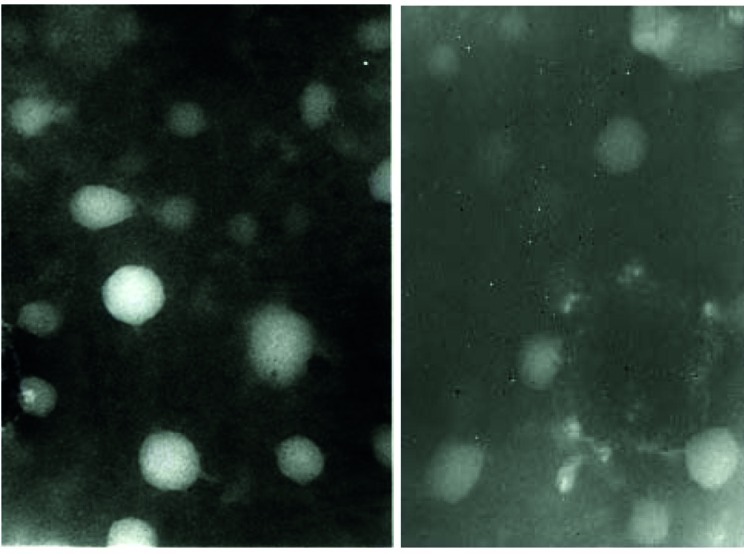
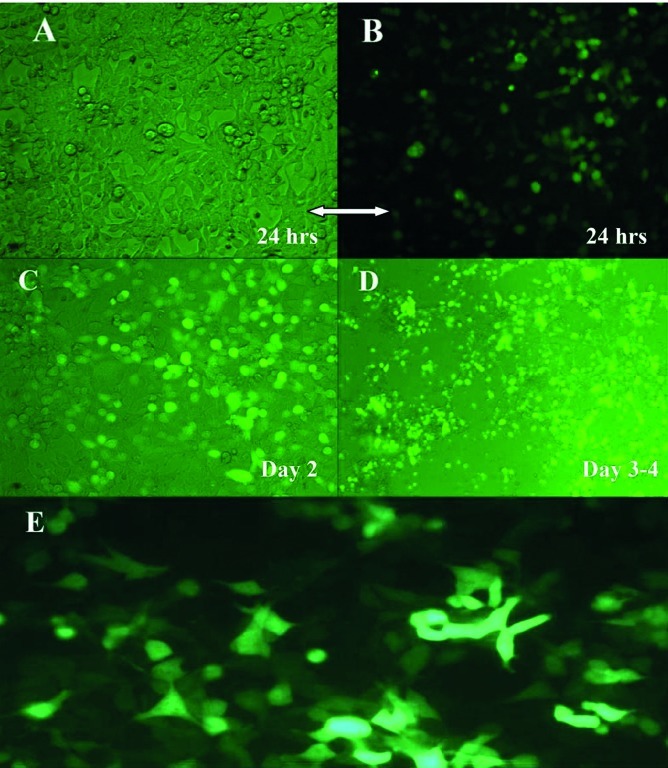
The corresponding transfer vectors expressing truncated fragments of core, NS3 or a fusion fragment of both genes were prepared. The integrity and sequence of the transfer vectors were confirmed, and followed by experiments involving homologous recombination between them and the adenovirus backbone plasmid in the bacterial host. Recombinant Ad-pNS3, Ad-pCore and Ad-pNS3pCore viruses were prepared by transfection of these new recombined constructs into 293 packaging cell lines. The virus titer was then calculated by an immunohistochemistry based method. The RT-PCR, Real-Time PCR and western blotting were used to evaluate gene expression by all recombinant constructs. The production of complete virion particles was evaluated by detailed electron microscopy in addition to the appearance of typical cytopathic effects (CPE) and GFP expression patterns in 293 cells. The RT-PCR and GFP detection were employed to monitor the integrity as well as infectivity potency of the viral particles in Hep-G2 cells.
RT-PCR, Real-Time PCR or western blotting confirmed expression of truncated fragment of NS3, core or a fusion fragment of theirs by newly constructed Ad-pNS3, Ad-pCore, Ad- pNS3pCore particles. Electron microscopy, which revealed many adenovirus-like particles and characteristics of CPE in infected cells in addition to GFP detection, confirmed the infectivity, potency and integrity of recombinant adenoviral particles.
These adenoviruses expressing novel fragments of NS3 and core genes may be suitable tools to overcome shortcomings associated with full gene expression in the setting of HCV vaccine therapy.
尽管进行了数十项临床试验以建立有效的治疗性和/或预防性疫苗来解决丙型肝炎病毒(HCV)感染,但迄今为止尚未证明有真正有效的疫苗。基于复制缺陷型腺病毒的基因疫苗已被证明能引发针对多种病毒抗原的强烈且持久的T细胞反应,目前甚至正在用于人体疫苗试验。鉴于核心基因和NS3全长基因在免疫调节作用方面存在争议,在疫苗设计中采用这些HCV蛋白的某些部分似乎更为实际。
构建含有NS3基因新的重叠截短区域或核心基因N端和C端缺失部分以及两者融合片段的重组腺病毒载体。
制备表达核心基因、NS3基因截短片段或两者融合片段的相应转移载体。确认转移载体的完整性和序列,随后在细菌宿主中进行它们与腺病毒骨架质粒之间的同源重组实验。通过将这些新重组构建体转染到293包装细胞系中来制备重组Ad-pNS3、Ad-pCore和Ad-pNS3pCore病毒。然后通过基于免疫组织化学的方法计算病毒滴度。使用RT-PCR、实时荧光定量PCR和蛋白质印迹法评估所有重组构建体的基因表达。除了在293细胞中观察典型的细胞病变效应(CPE)和绿色荧光蛋白(GFP)表达模式外,还通过详细的电子显微镜检查评估完整病毒粒子的产生。采用RT-PCR和GFP检测来监测Hep-G2细胞中病毒粒子的完整性和感染效力。
RT-PCR、实时荧光定量PCR或蛋白质印迹法证实新构建的Ad-pNS3、Ad-pCore、Ad-pNS3pCore颗粒表达NS3基因截短片段、核心基因或它们的融合片段。电子显微镜检查除了检测到GFP外,还显示出许多腺病毒样颗粒以及感染细胞中的CPE特征,证实了重组腺病毒颗粒的感染性、效力和完整性。
这些表达NS3和核心基因新片段的腺病毒可能是克服HCV疫苗治疗中与全长基因表达相关缺点的合适工具。