Western Psychiatric Institute and Clinic, Department of Psychiatry, University of Pittsburgh School of Medicine, Pittsburgh, PA, USA.
PLoS One. 2012;7(11):e49700. doi: 10.1371/journal.pone.0049700. Epub 2012 Nov 27.
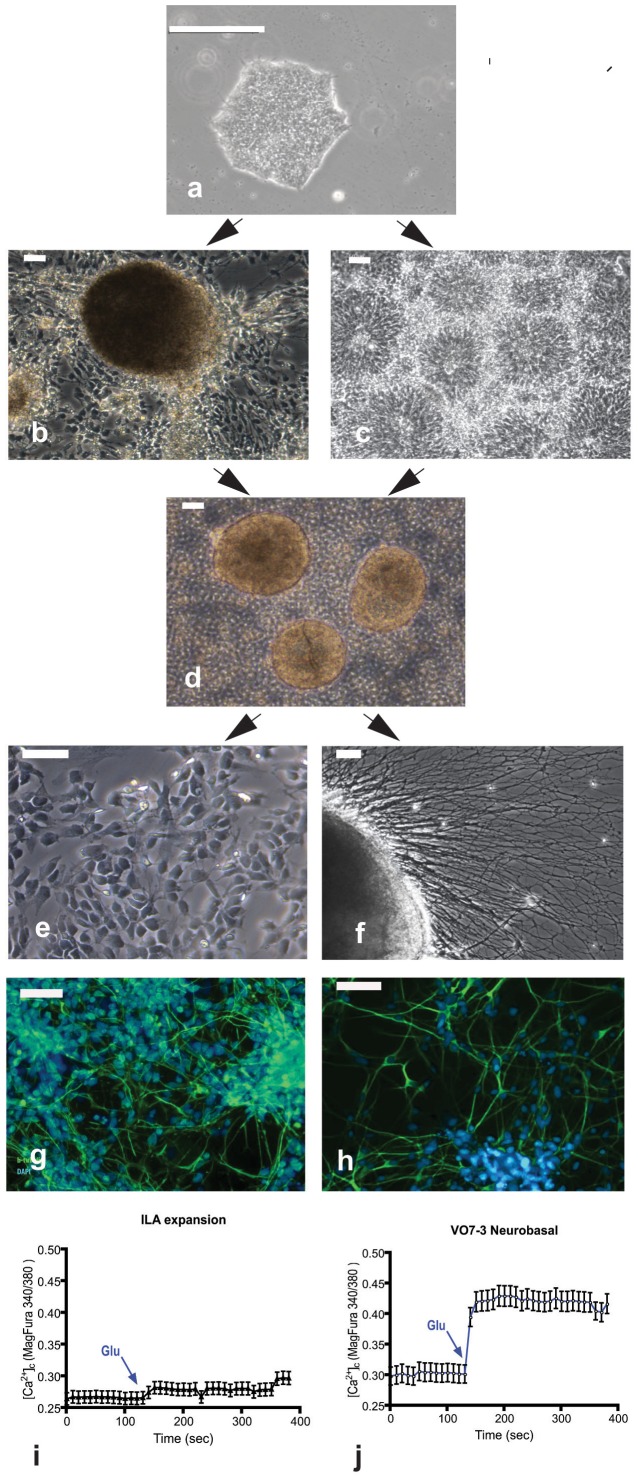
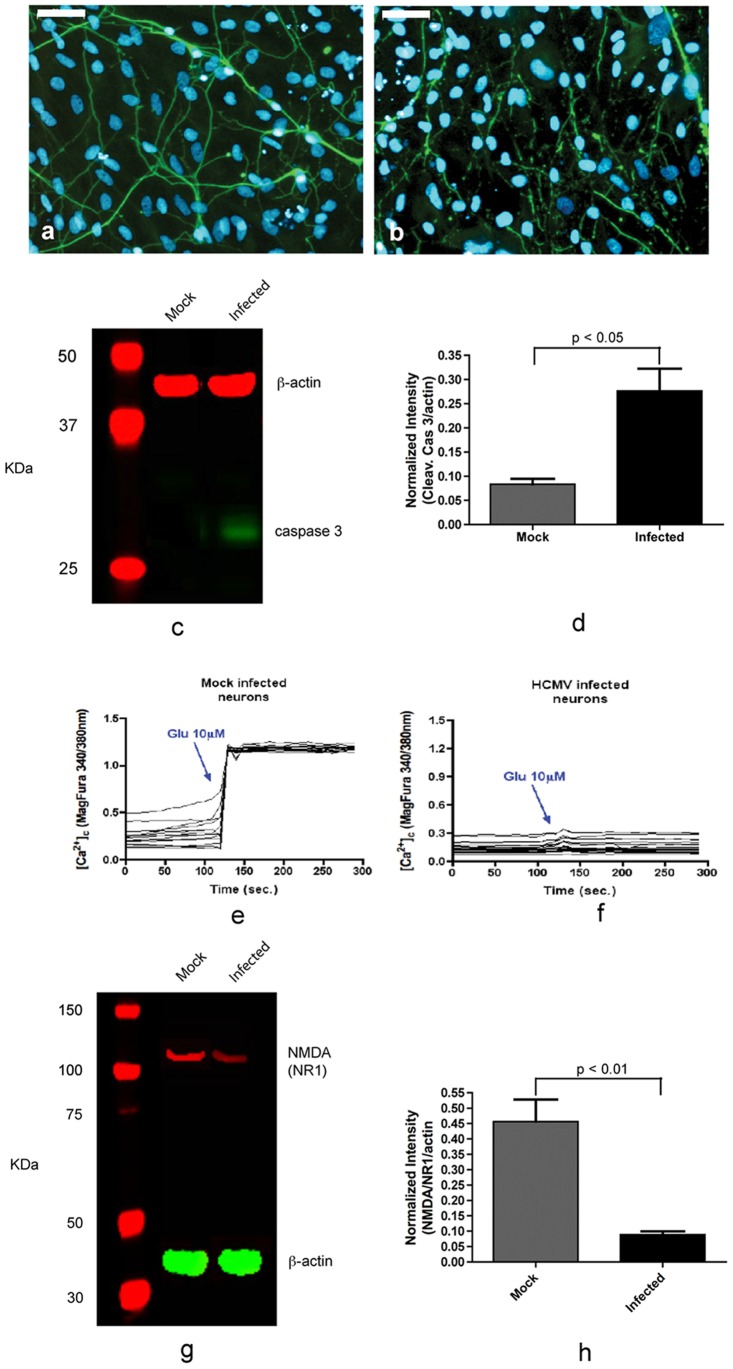
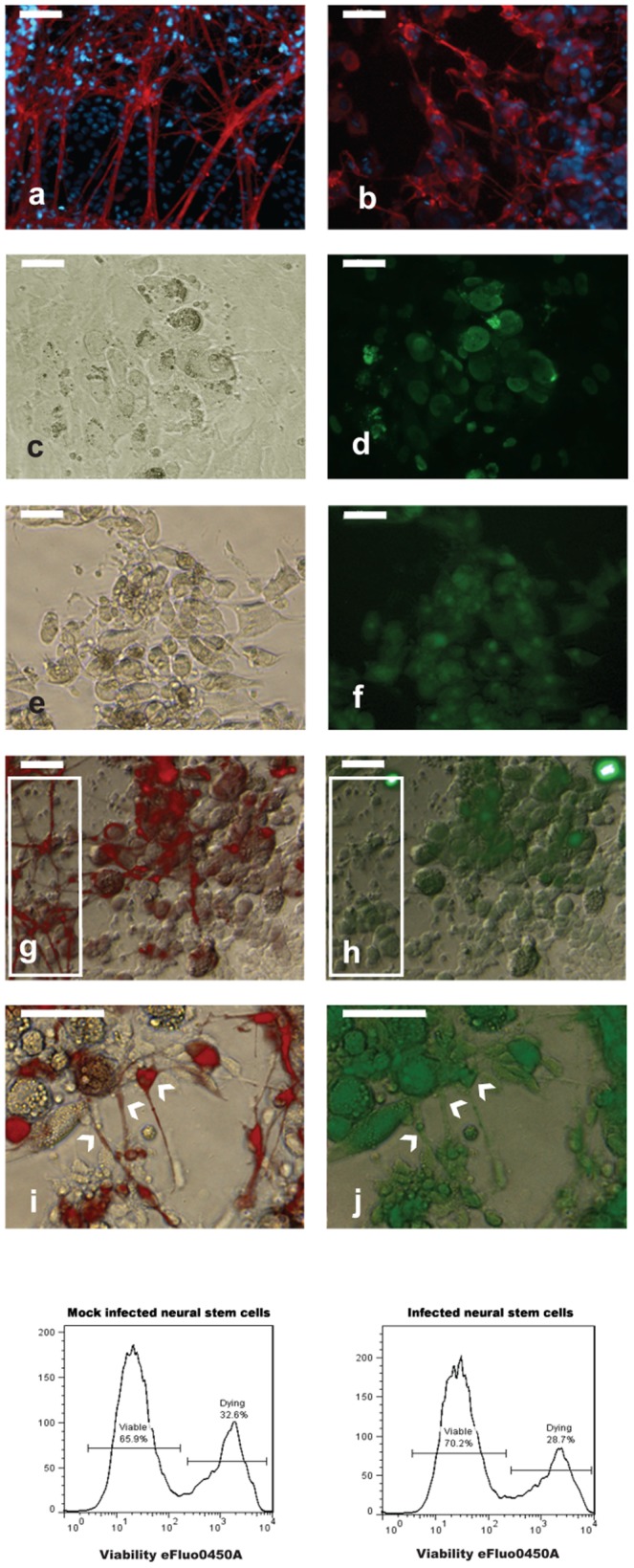
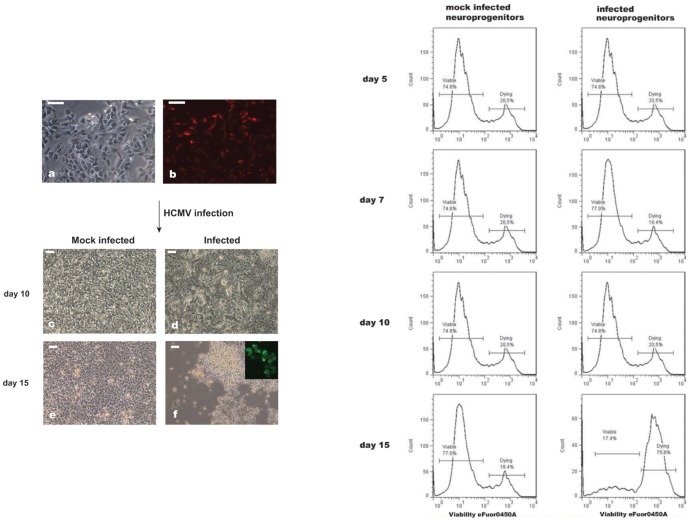
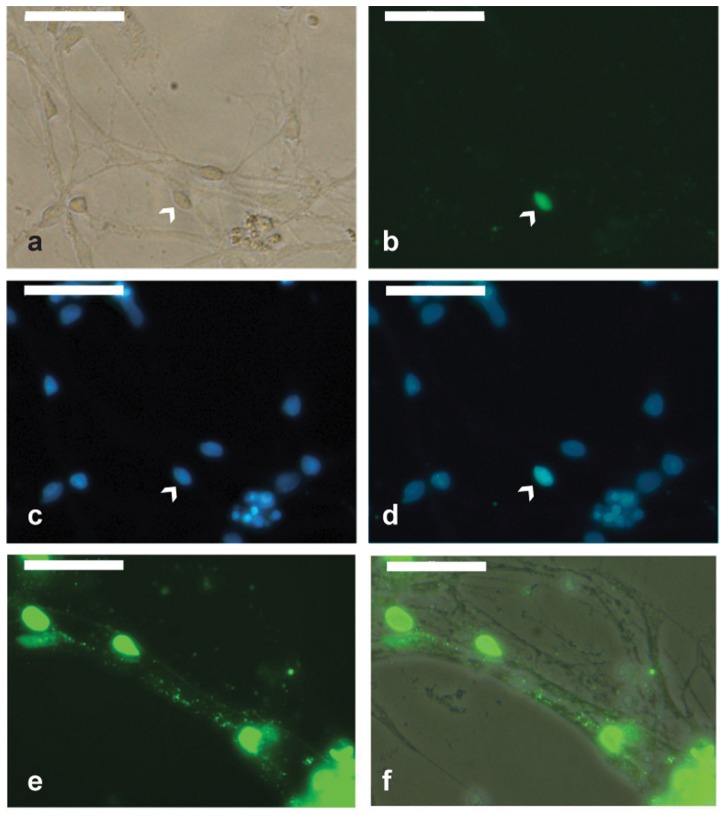
Human cytomegalovirus (HCMV) infection is one of the leading prenatal causes of congenital mental retardation and deformities world-wide. Access to cultured human neuronal lineages, necessary to understand the species specific pathogenic effects of HCMV, has been limited by difficulties in sustaining primary human neuronal cultures. Human induced pluripotent stem (iPS) cells now provide an opportunity for such research. We derived iPS cells from human adult fibroblasts and induced neural lineages to investigate their susceptibility to infection with HCMV strain Ad169. Analysis of iPS cells, iPS-derived neural stem cells (NSCs), neural progenitor cells (NPCs) and neurons suggests that (i) iPS cells are not permissive to HCMV infection, i.e., they do not permit a full viral replication cycle; (ii) Neural stem cells have impaired differentiation when infected by HCMV; (iii) NPCs are fully permissive for HCMV infection; altered expression of genes related to neural metabolism or neuronal differentiation is also observed; (iv) most iPS-derived neurons are not permissive to HCMV infection; and (v) infected neurons have impaired calcium influx in response to glutamate.
人类巨细胞病毒(HCMV)感染是全球范围内导致先天性精神发育迟缓和畸形的主要产前原因之一。为了了解 HCMV 的种特异性致病作用,需要用到培养的人神经元谱系,但由于维持原代人神经元培养的困难,获取这种谱系的途径受到了限制。人类诱导多能干细胞(iPS)的出现为此类研究提供了机会。我们从人成纤维细胞中诱导出 iPS 细胞,并诱导其分化为神经谱系,以研究它们对 HCMV 株 Ad169 的易感性。对 iPS 细胞、iPS 衍生的神经干细胞(NSCs)、神经祖细胞(NPCs)和神经元的分析表明:(i)iPS 细胞对 HCMV 感染无易感性,即它们不允许病毒进行完整的复制周期;(ii)感染 HCMV 后神经干细胞的分化受到损害;(iii)NPCs 对 HCMV 感染完全允许,同时还观察到与神经代谢或神经元分化相关的基因表达发生改变;(iv)大多数 iPS 衍生的神经元对 HCMV 感染无易感性;以及(v)感染的神经元对谷氨酸的钙内流反应受损。