Miami, Florida, USA.
Cancer Cell Int. 2012 Dec 8;12(1):51. doi: 10.1186/1475-2867-12-51.
In malignant melanoma, it has been published that up to 40% of cancer patients will suffer from brain metastasis. The prognosis for these patients is poor, with a life expectancy of 4 to 6 months. Calcium exchange is involved in numerous cell functions. Recently, three types of cellular calcium sequestration have been reported in the medical literature. The first describes a transgenic mouse model in which an increase of aberrant calcium channels triggers hypertrophy and apoptosis. The second provides a protective mechanism whereby astrocytes in the brain inhibit apoptosis of tumor cells by moving ionic calcium out of the tumor cells thru gap junctions. The third is via calcium chelation, which causes cell apoptosis by converting ionic calcium into a calcium salt. This process has been shown to operate in atrial myocardial cells, thus not allowing the intracellular calcium stores to flow through the myocytes intercalated discs. Ideally chemotherapeutic agents would be those that initiate apoptosis in tumor cells.
We hypothesize that the recent reported intracellular calcium sequestration by oxalate chelation, due to its chemical process of converting ionic calcium into a calcium salt, may inhibit the protective effect of astrocytes on brain tumor metastasized melanoma cells by not allowing free calcium to leave the metastatic cells, simultaneously apoptosis of tumor and some healthy adjacent cells could occur. This hypothesis could be extended to include other cancerous tumors such as skin cancers amongst others.
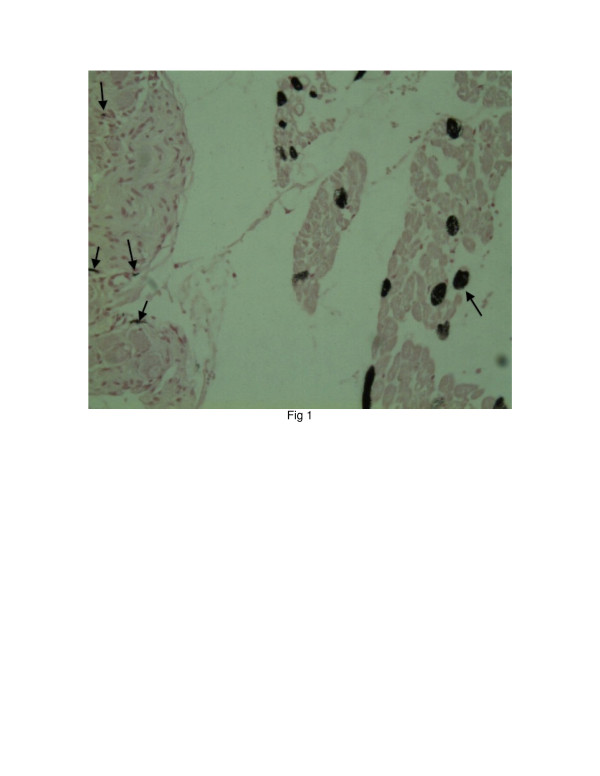
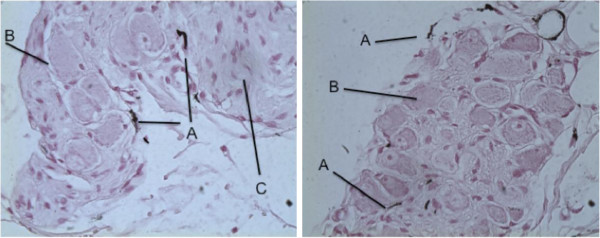
Using the experimental model showing the protective mechanism of co-cultured reactive astrocytes and tumor cells treated with oxalates could be used to test this hypothesis in vitro. The calcium specific von Kossa technique could be used to confirm the presence of chelated intracellular calcium architecture of the metastatic cells (which is a sign of apoptosis), and extracellular calcium chelation stores of the Astrocytes (which has been shown to slow neural conduction).
The life expectancy in patients with metastasized malignant melanoma brain tumors could be significantly prolonged if the chemotherapeutic issue of brain metastasis is overcome. Other cancerous tumors can also be treated by this Targeted Chelation Approach. Ionic calcium sequestration using naturally occurring calcium chelators, viz., oxalates, could accomplish this desired outcome.
在恶性黑色素瘤中,据报道多达 40%的癌症患者会发生脑转移。这些患者的预后较差,预期寿命为 4 至 6 个月。钙交换参与了许多细胞功能。最近,在医学文献中报道了三种类型的细胞内钙螯合。第一种描述了一种转基因小鼠模型,其中异常钙通道的增加引发肥大和细胞凋亡。第二种提供了一种保护机制,其中大脑中的星形胶质细胞通过缝隙连接将离子钙从肿瘤细胞中移出,从而抑制肿瘤细胞的细胞凋亡。第三种是通过钙螯合,通过将离子钙转化为钙盐来导致细胞凋亡。已经表明该过程在心房心肌细胞中起作用,从而阻止细胞内钙库通过心肌细胞闰盘流动。理想情况下,化疗药物应该是那些能够引发肿瘤细胞细胞凋亡的药物。
我们假设,由于草酸螯合的化学过程将离子钙转化为钙盐,最近报道的细胞内钙螯合可能会通过阻止游离钙离开转移性细胞来抑制星形胶质细胞对脑转移黑色素瘤细胞的保护作用,同时肿瘤和一些相邻健康细胞可能会发生细胞凋亡。这一假设可以扩展到包括其他癌症肿瘤,如皮肤癌等。
使用显示共培养反应性星形胶质细胞和用草酸盐处理的肿瘤细胞的保护机制的实验模型,可以在体外测试这一假设。钙特异性 von Kossa 技术可用于证实转移性细胞的螯合细胞内钙结构的存在(这是细胞凋亡的标志),以及星形胶质细胞的细胞外钙螯合储存(已证明这会减缓神经传导)。
如果克服了脑转移的化疗问题,转移性恶性黑色素瘤脑肿瘤患者的预期寿命可以显著延长。其他癌症肿瘤也可以通过这种靶向螯合方法进行治疗。使用天然存在的钙螯合剂,即草酸盐,进行离子钙螯合可以实现这一预期结果。