Department of Medicine, Section of Cardiology, 5841 S, Maryland, MC 6088, Chicago, IL, 60637, USA.
Skelet Muscle. 2012 Dec 5;2(1):26. doi: 10.1186/2044-5040-2-26.
Mice from the MRL or "superhealing" strain have enhanced repair after acute injury to the skin, cornea, and heart. We now tested an admixture of the MRL genome and found that it altered the course of muscle pathology and cardiac function in a chronic disease model of skeletal and cardiac muscle. Mice lacking γ-sarcoglycan (Sgcg), a dystrophin-associated protein, develop muscular dystrophy and cardiomyopathy similar to their human counterparts with limb girdle muscular dystrophy. With disruption of the dystrophin complex, the muscle plasma membrane becomes leaky and muscles develop increased fibrosis.
MRL/MpJ mice were bred with Sgcg mice, and cardiac function was measured. Muscles were assessed for fibrosis and membrane leak using measurements of hydroxyproline and Evans blue dye. Quantitative trait locus mapping was conducted using single nucleotide polymorphisms distinct between the two parental strains.
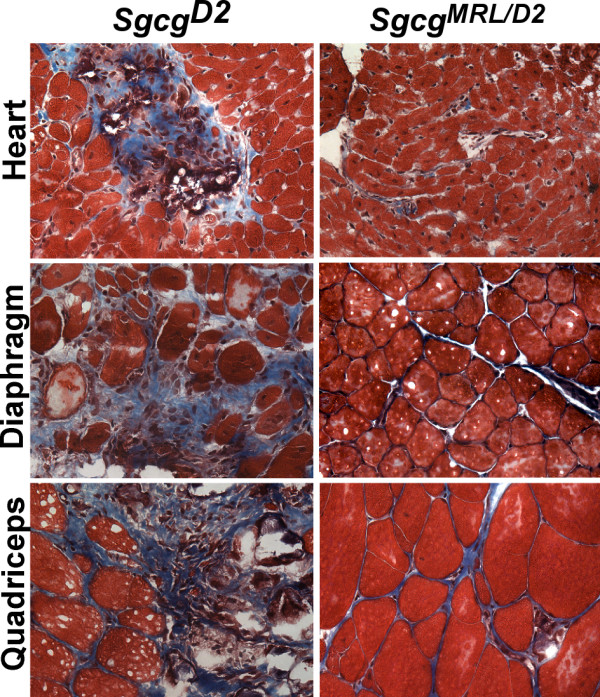
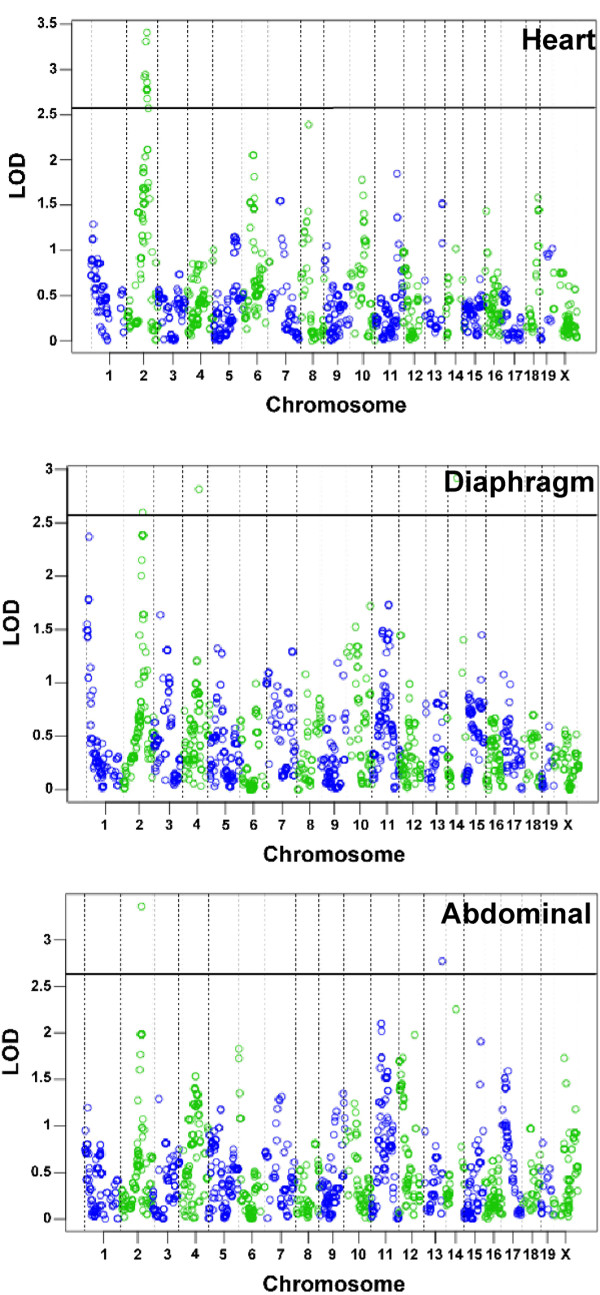
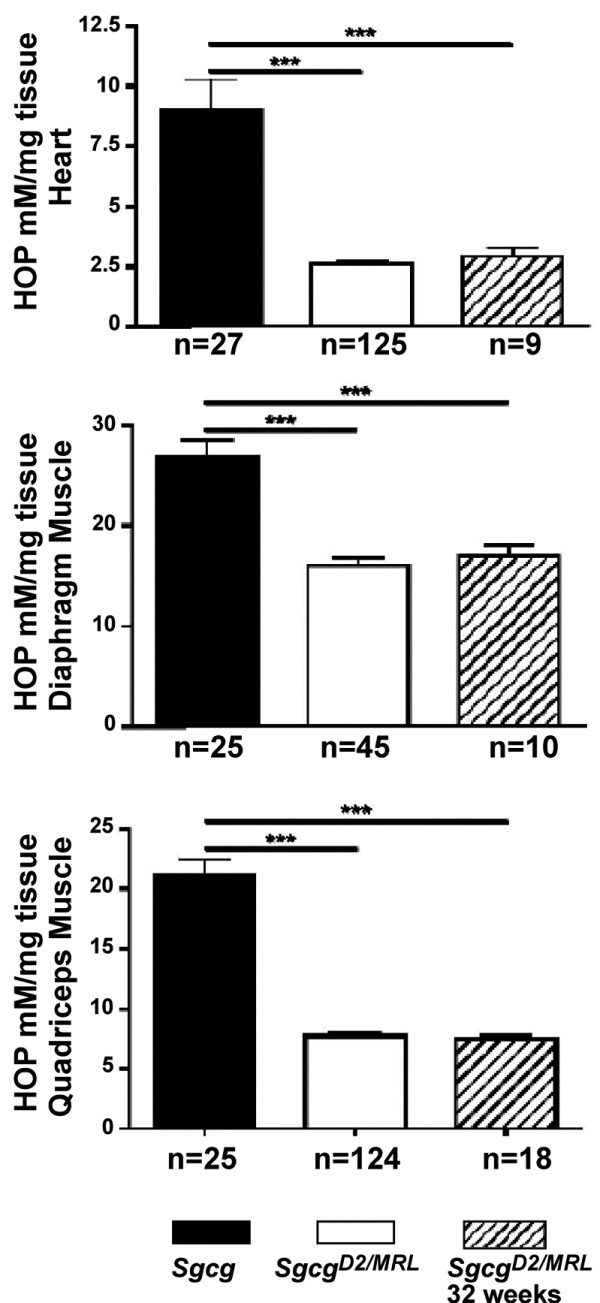
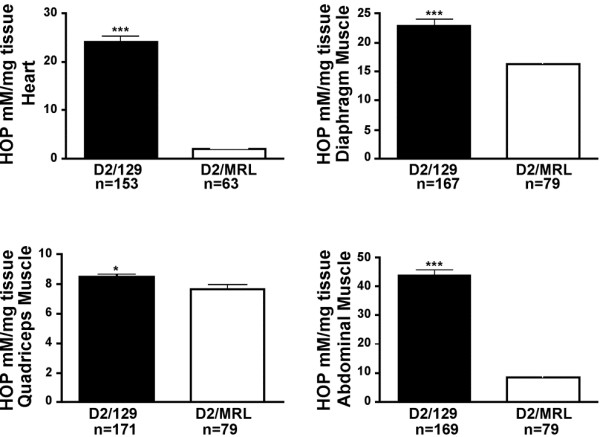
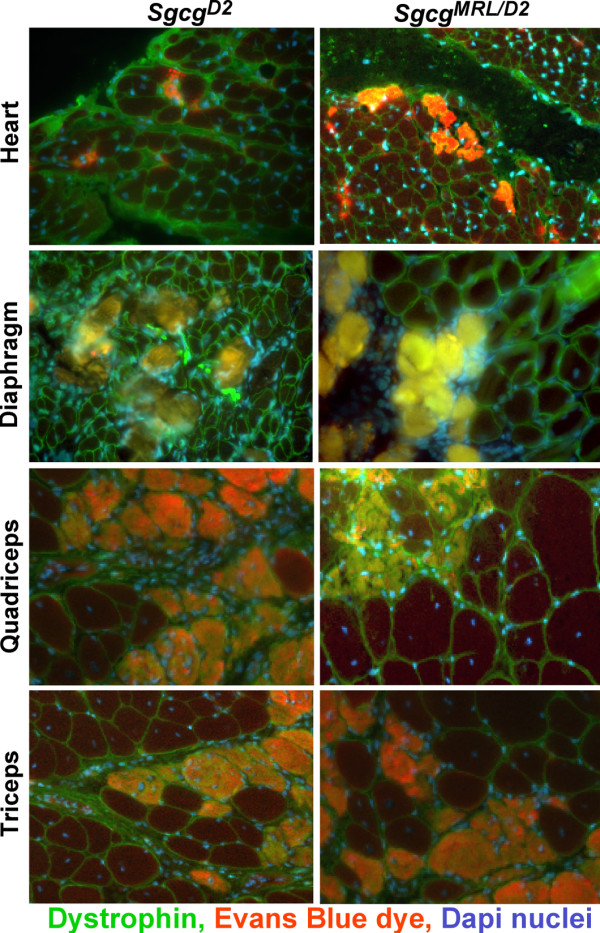
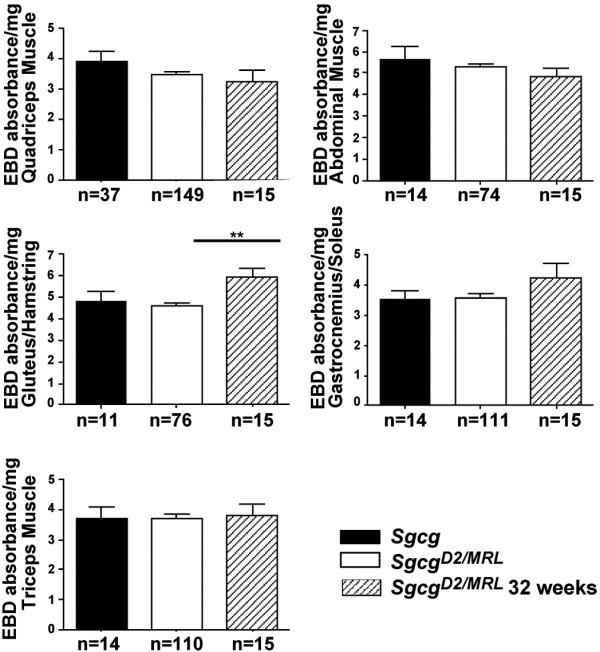
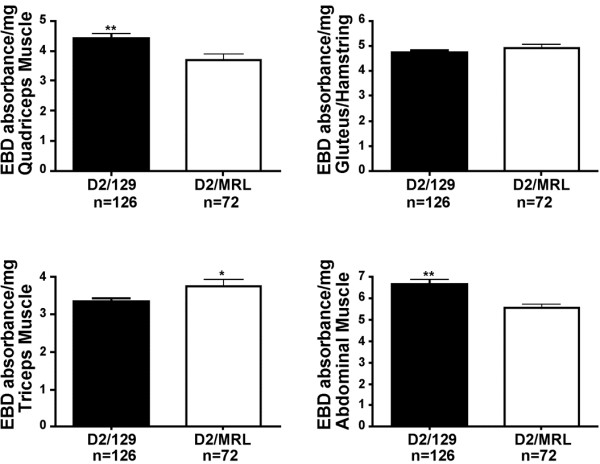
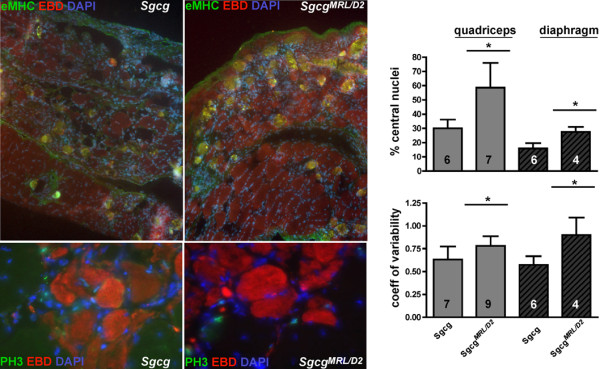
Introduction of the MRL genome reduced fibrosis but did not alter membrane leak in skeletal muscle of the Sgcg model. The MRL genome was also associated with improved cardiac function with reversal of depressed fractional shortening and the left ventricular ejection fraction. We conducted a genome-wide analysis of genetic modifiers and found that a region on chromosome 2 was associated with cardiac, diaphragm muscle and abdominal muscle fibrosis.
These data are consistent with a model where the MRL genome acts in a dominant manner to suppress fibrosis in this chronic disease setting of heart and muscle disease.
MRL 或“超强愈合”品系的小鼠在皮肤、角膜和心脏急性损伤后具有增强的修复能力。我们现在测试了 MRL 基因组的混合物,发现它改变了骨骼和心肌慢性疾病模型中肌肉病理学和心脏功能的进程。缺乏肌联蛋白相关蛋白 γ- sarcoglycan(Sgcg)的小鼠会发展出类似于其人类对应物肢带型肌营养不良症的肌肉营养不良症和心肌病。由于肌营养不良复合物的破坏,肌肉的质膜变得渗漏,肌肉会出现纤维化增加。
用 MRL/MpJ 小鼠与 Sgcg 小鼠杂交,并测量心脏功能。使用羟脯氨酸和 Evans 蓝染料测量来评估纤维化和膜渗漏。使用两个亲本株之间独特的单核苷酸多态性进行数量性状基因座作图。
引入 MRL 基因组减少了肌肉纤维化,但没有改变 Sgcg 模型的骨骼肌的膜渗漏。MRL 基因组还与改善心脏功能相关,逆转了左心室缩短分数和射血分数的降低。我们进行了全基因组遗传修饰因子分析,发现染色体 2 上的一个区域与心脏、膈肌和腹肌纤维化有关。
这些数据与 MRL 基因组在心脏和肌肉疾病的这种慢性疾病环境中以显性方式抑制纤维化的模型一致。