Van Beersel Guillaume, Tihon Eliane, Demine Stéphane, Hamer Isabelle, Jadot Michel, Arnould Thierry
*Laboratory of Biochemistry and Cellular Biology (URBC), NAmur Research Institute for LIfe Sciences (NARILIS), University of Namur (FUNDP), rue de Bruxelles, 61, 5000 Namur, Belgium.
†Unity of Research in Molecular Physiology (URPhyM), Laboratory of Physiological Chemistry, Namur Research Institute for LIfe Sciences (NARILIS), University of Namur (FUNDP), rue de Bruxelles, 61, 5000 Namur, Belgium.
Biosci Rep. 2013 Feb 7;33(2):e00023. doi: 10.1042/BSR20120104.
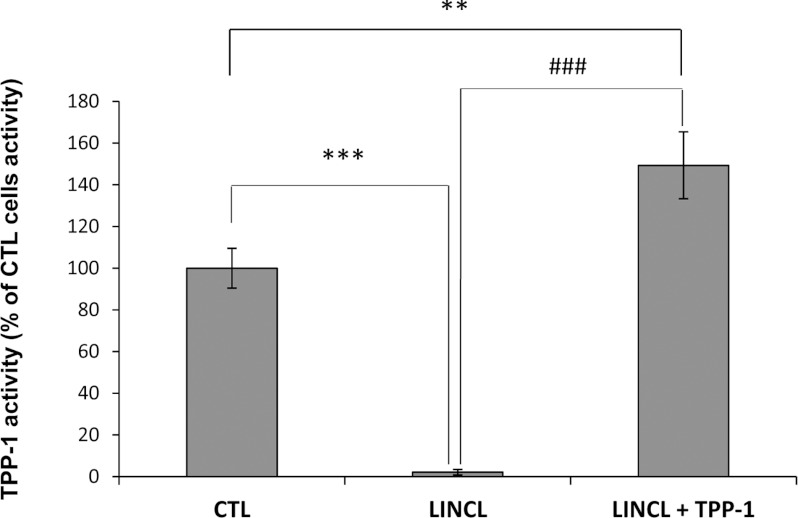
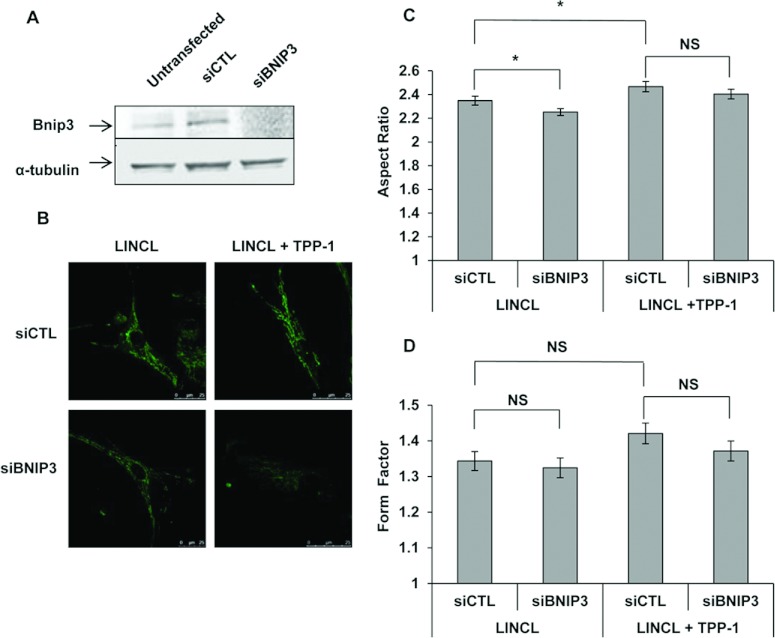
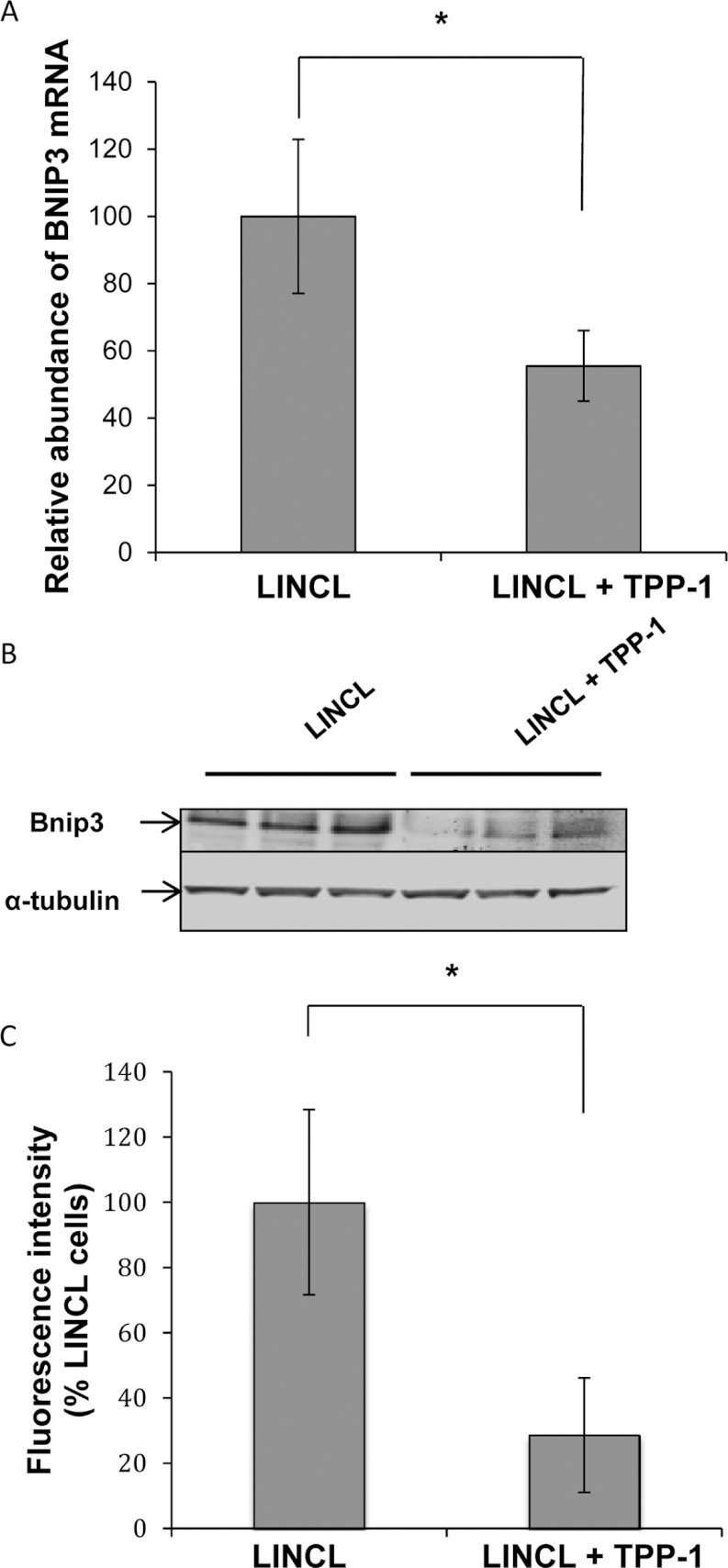
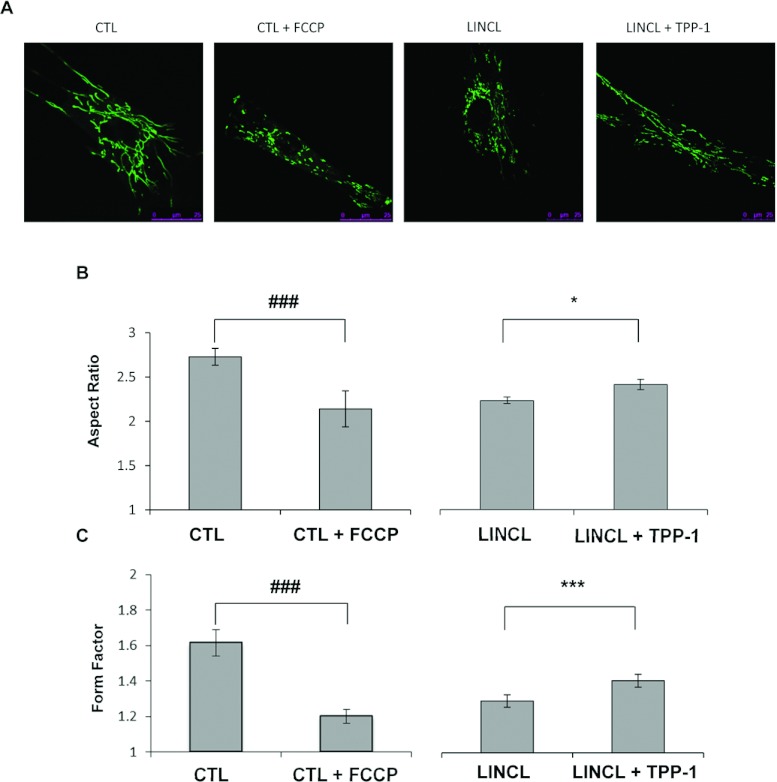
NCLs (neuronal ceroid lipofuscinoses) form a group of eight inherited autosomal recessive diseases characterized by the intralysosomal accumulation of autofluorescent pigments, called ceroids. Recent data suggest that the pathogenesis of NCL is associated with the appearance of fragmented mitochondria with altered functions. However, even if an impairement in the autophagic pathway has often been evoked, the molecular mechanisms leading to mitochondrial fragmentation in response to a lysosomal dysfunction are still poorly understood. In this study, we show that fibroblasts that are deficient for the TPP-1 (tripeptidyl peptidase-1), a lysosomal hydrolase encoded by the gene mutated in the LINCL (late infantile NCL, CLN2 form) also exhibit a fragmented mitochondrial network. This morphological alteration is accompanied by an increase in the expression of the protein BNIP3 (Bcl2/adenovirus E1B 19 kDa interacting protein 3) as well as a decrease in the abundance of mitofusins 1 and 2, two proteins involved in mitochondrial fusion. Using RNAi (RNA interference) and quantitative analysis of the mitochondrial morphology, we show that the inhibition of BNIP3 expression does not result in an increase in the reticulation of the mitochondrial population in LINCL cells. However, this protein seems to play a key role in cell response to mitochondrial oxidative stress as it sensitizes mitochondria to antimycin A-induced fragmentation. To our knowledge, our results bring the first evidence of a mechanism that links TPP-1 deficiency and oxidative stress-induced changes in mitochondrial morphology.