Pharmaceutical Sciences Graduate Program, Faculty of Pharmacy, Federal University of Rio Grande do Sul (UFRGS), Ipiranga Avendia 2752, 90610-000 Porto Alegre, RS, Brazil.
Evid Based Complement Alternat Med. 2012;2012:196358. doi: 10.1155/2012/196358. Epub 2012 Dec 17.
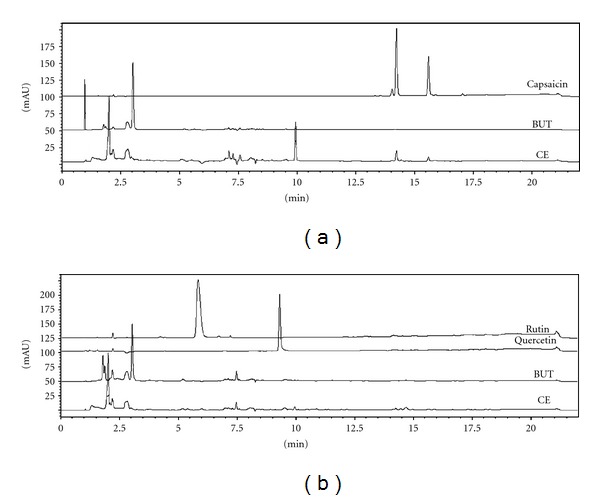
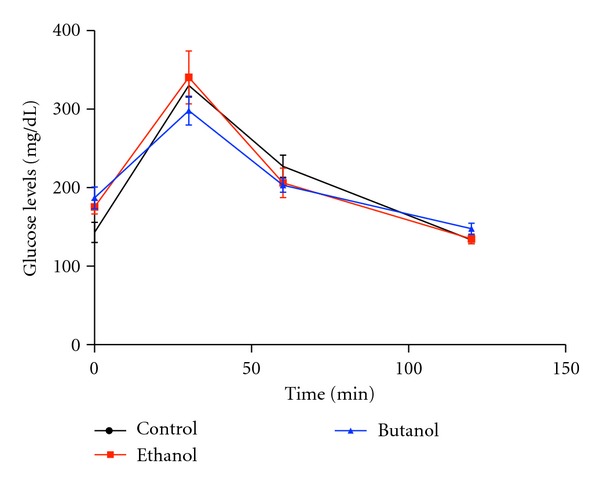
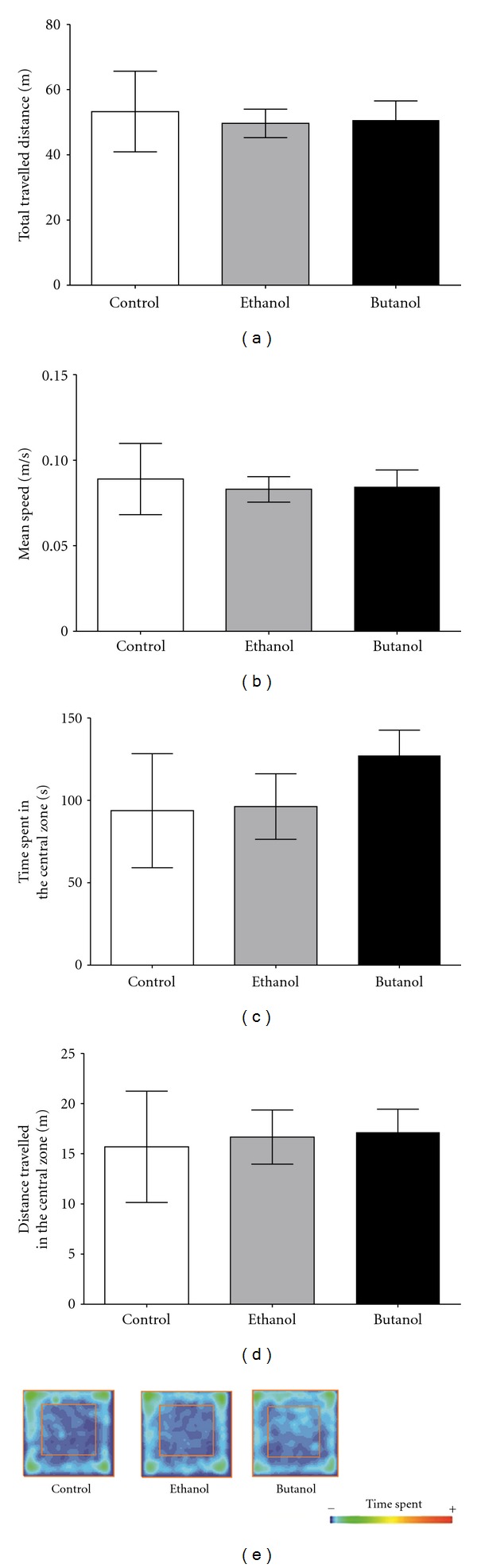
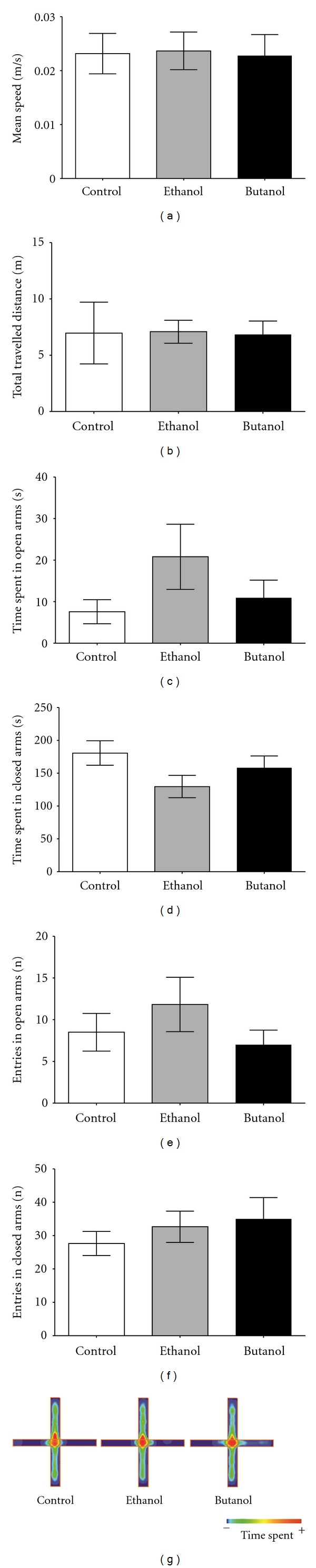
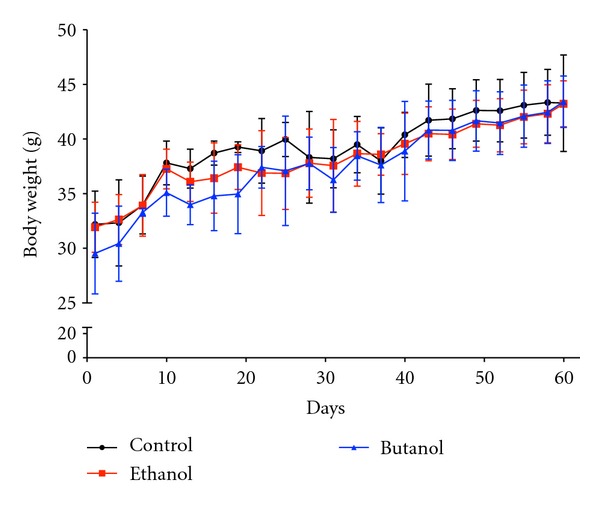
Our group showed that crude ethanol (CE) and butanol (BUT) extracts of Capsicum baccatum presented anti-inflammatory and antioxidant properties. Furthermore, the flavonoid and total phenolic contents were positively correlated with both of these properties observed for C. baccatum extracts. The present study demonstrated that 60 days of oral administration of CE and BUT (200 mg/kg) in mice did not cause significant differences in the following parameters evaluated: hematological profile, body weight and relative weight of visceral organs, systemic lipid profile, glucose homeostasis (GTT), kidney and hepatic biochemical markers, and spontaneous locomotion and anxiety-like behavior. Altogether, these results indicate for the first time that the long-term oral administration of C. baccatum extracts does not affect specific aspects of CF1 mice physiology, suggesting their safety, building up the venue to test their efficacy in animal models underlying persistent activation of oxidative and inflammatory pathways.
我们的研究小组表明,辣椒(Capsicum baccatum)的粗乙醇(CE)和正丁醇(BUT)提取物具有抗炎和抗氧化特性。此外,类黄酮和总酚含量与辣椒提取物的这两种特性呈正相关。本研究表明,在小鼠中口服 CE 和 BUT(200mg/kg)60 天不会导致以下参数发生显著变化:血液学特征、体重和内脏器官的相对重量、系统脂质谱、葡萄糖稳态(GTT)、肾脏和肝脏生化标志物以及自发的运动和焦虑样行为。总的来说,这些结果首次表明,长期口服辣椒提取物不会影响 CF1 小鼠生理的特定方面,这表明它们具有安全性,为在持续氧化和炎症途径激活的动物模型中测试其疗效奠定了基础。