Department of Vascular Medicine, Academic Medical Center, Amsterdam, The Netherlands.
PLoS One. 2013;8(1):e52879. doi: 10.1371/journal.pone.0052879. Epub 2013 Jan 9.
Creatine kinase plays a key role in cellular energy transport. The enzyme transfers high-energy phosphoryl groups from mitochondria to subcellular sites of ATP hydrolysis, where it buffers ADP concentration by catalyzing the reversible transfer of the high-energy phosphate moiety (P) between creatine and ADP. Cellular creatine uptake is competitively inhibited by beta-guanidinopropionic acid. This substance is marked as safe for human use, but the effects are unclear. Therefore, we systematically reviewed the effect of beta-guanidinopropionic acid on energy metabolism and function of tissues with high energy demands.
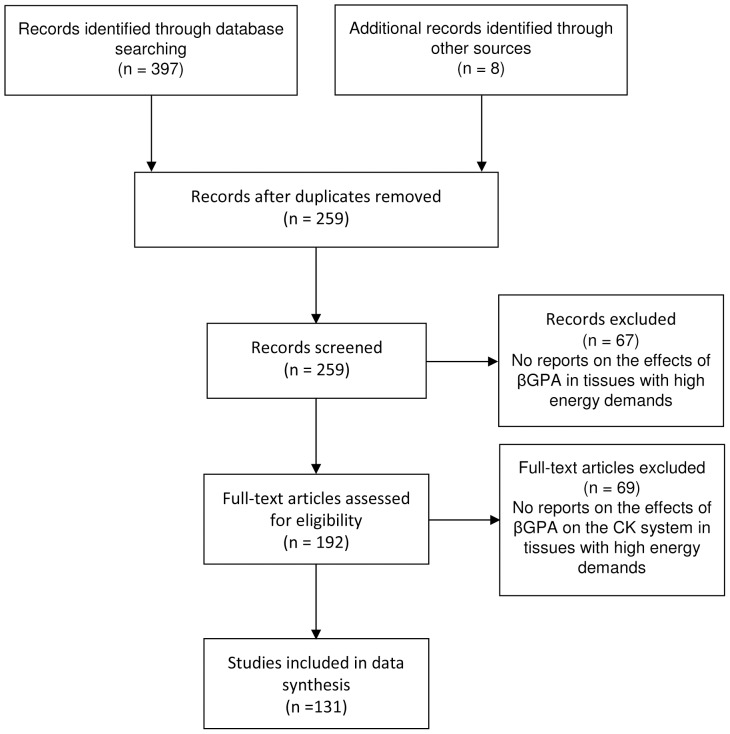
We performed a systematic review and searched the electronic databases Pubmed, EMBASE, the Cochrane Library, and LILACS from their inception through March 2011. Furthermore, we searched the internet and explored references from textbooks and reviews.
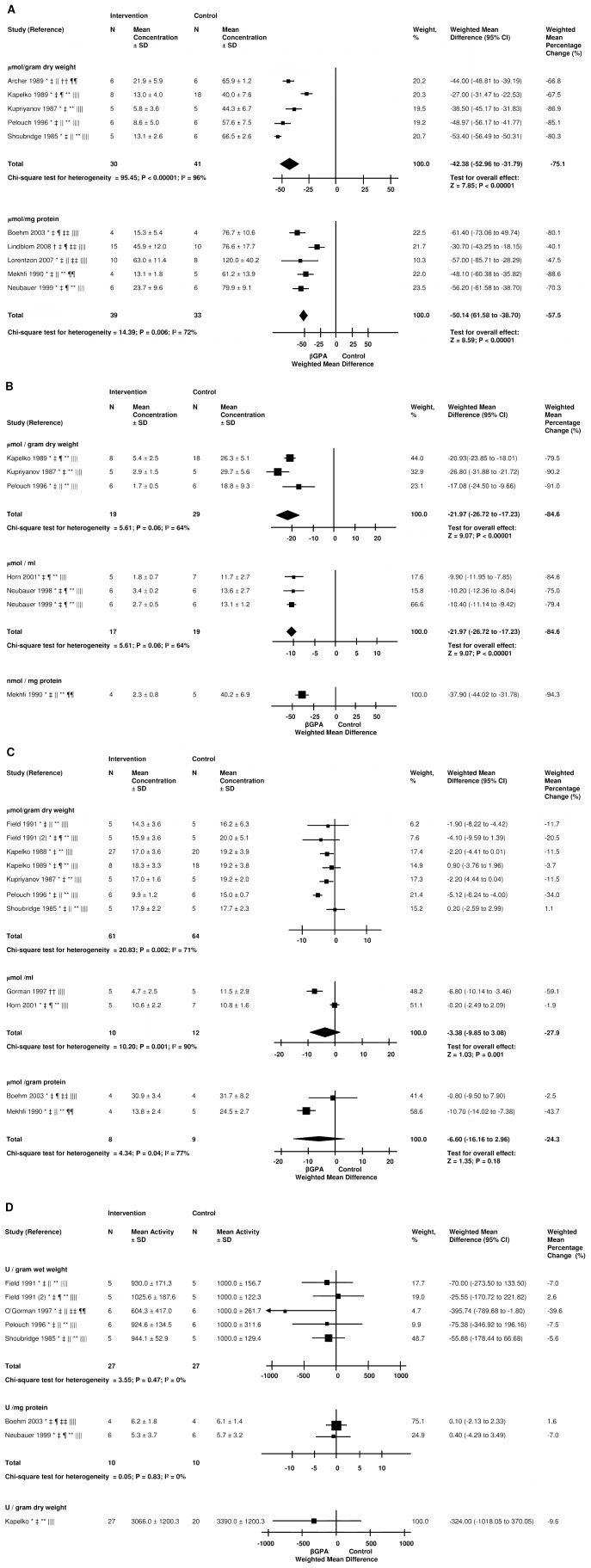
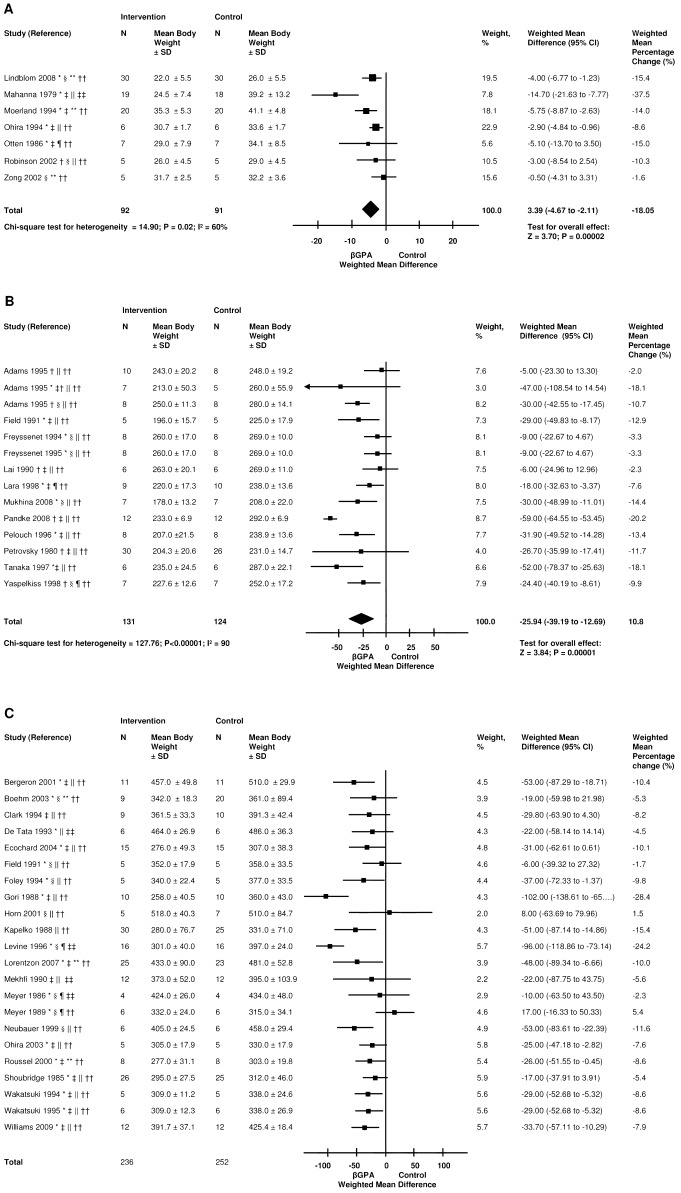
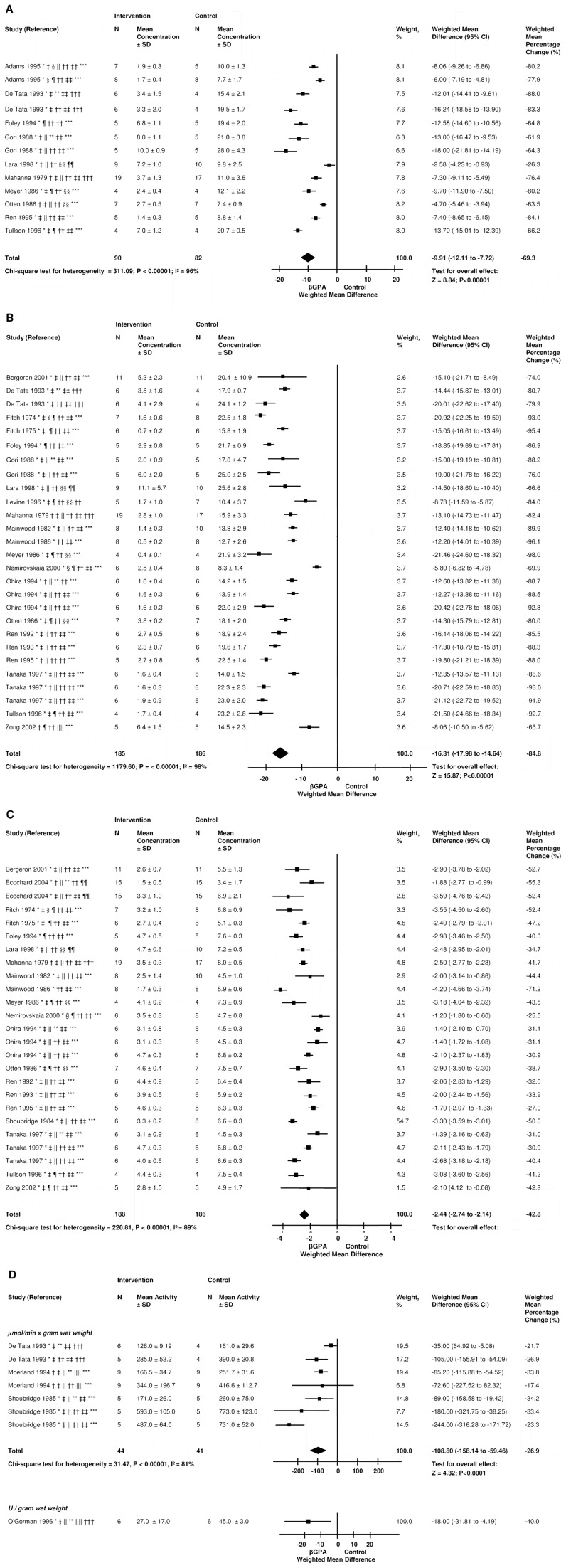
After applying the inclusion criteria, we retrieved 131 publications, mainly considering the effect of chronic oral administration of beta-guanidinopropionic acid (0.5 to 3.5%) on skeletal muscle, the cardiovascular system, and brain tissue in animals. Beta-guanidinopropionic acid decreased intracellular creatine and phosphocreatine in all tissues studied. In skeletal muscle, this effect induced a shift from glycolytic to oxidative metabolism, increased cellular glucose uptake and increased fatigue tolerance. In heart tissue this shift to mitochondrial metabolism was less pronounced. Myocardial contractility was modestly reduced, including a decreased ventricular developed pressure, albeit with unchanged cardiac output. In brain tissue adaptations in energy metabolism resulted in enhanced ATP stability and survival during hypoxia.
Chronic beta-guanidinopropionic acid increases fatigue tolerance of skeletal muscle and survival during ischaemia in animal studies, with modestly reduced myocardial contractility. Because it is marked as safe for human use, there is a need for human data.
肌酸激酶在细胞能量转运中起着关键作用。该酶将高能磷酸基团从线粒体转移到细胞内亚细胞 ATP 水解部位,通过催化高能磷酸基团(P)在肌酸和 ADP 之间的可逆转移,缓冲 ADP 浓度。细胞内肌酸摄取被β-胍基丙酸竞争性抑制。该物质被标记为对人体安全使用,但效果尚不清楚。因此,我们系统地综述了β-胍基丙酸对高能量需求组织的能量代谢和功能的影响。
我们进行了系统评价,检索了电子数据库 Pubmed、EMBASE、Cochrane 图书馆和 LILACS,检索时间从成立到 2011 年 3 月。此外,我们还在互联网上搜索,并从教科书和综述中探索参考文献。
在应用纳入标准后,我们检索到 131 篇出版物,主要考虑了β-胍基丙酸(0.5 至 3.5%)在动物骨骼肌、心血管系统和脑组织中的慢性口服给药的影响。β-胍基丙酸降低了所有研究组织中的细胞内肌酸和磷酸肌酸。在骨骼肌中,这种作用诱导从糖酵解到氧化代谢的转变,增加细胞葡萄糖摄取并提高疲劳耐受性。在心肌组织中,这种向线粒体代谢的转变不太明显。心肌收缩力略有降低,包括心室发展压降低,尽管心输出量不变。在脑组织中,能量代谢的适应导致在缺氧期间增强了 ATP 的稳定性和存活能力。
在动物研究中,慢性β-胍基丙酸增加了骨骼肌的疲劳耐受性和缺血期间的存活能力,心肌收缩力略有降低。因为它被标记为对人体安全使用,所以需要人体数据。