Minzi Om, Manyilizu Vs
Unit of Pharmacology and Therapeutics, School of Pharmacy, Muhimbili University of Health and Allied Sciences, Dar es Salaam, Tanzania.
Drug Healthc Patient Saf. 2013;5:5-11. doi: 10.2147/DHPS.S36409. Epub 2013 Jan 30.
Provision of pharmaceutical services in accredited drug-dispensing outlets (ADDOs) in Tanzania has not been reported. This study compared the antibiotics dispensing practice between ADDOs and part II shops, or duka la dawa baridi (DLDBs), in Tanzania.
This was a cross-sectional study that was conducted in ADDOs and DLDBs. A simulated client method for data collection was used, and a total of 85 ADDOs, located in Mvomero, Kilombero, and Morogoro rural districts, were compared with 60 DLDBs located in Kibaha district. The research assistants posed as simulated clients and requested to buy antibiotics from ADDOs and DLDBs after presenting a case scenario or disease condition. Among the diseases presented were those requiring antibiotics and those usually managed only by oral rehydration salt or analgesics. The simulated clients wanted to know the antibiotics that were available at the shop. The posed questions set a convincing ground to the dispenser either to dispense the antibiotic directly, request a prescription, or refer the patient to a health facility. Proportions were used to summarize categorical variables between ADDOs and DLDBs, and the chi-square test was used to test for statistical difference between the two drug-outlet types in terms of antibiotic-dispensing practice.
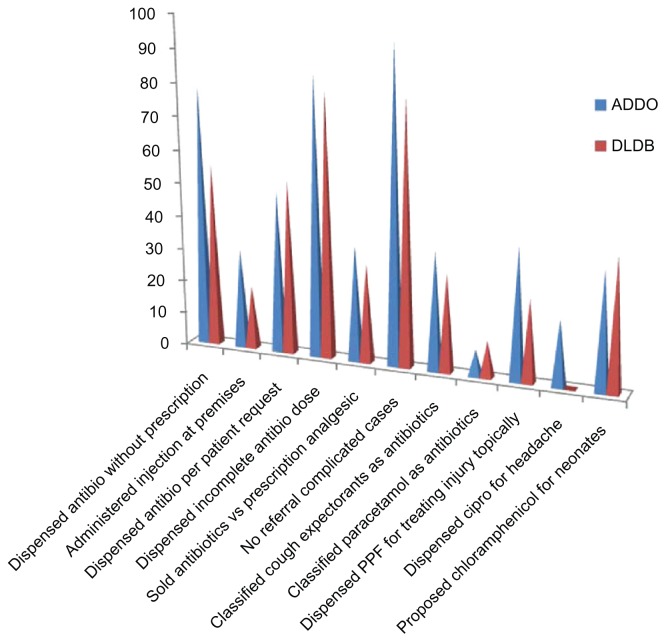
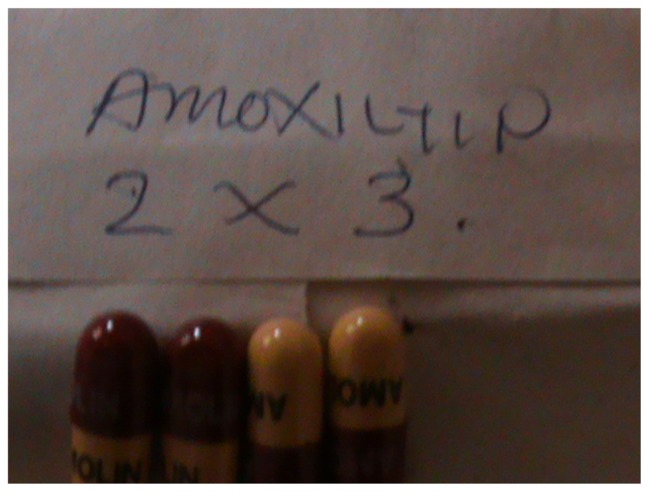
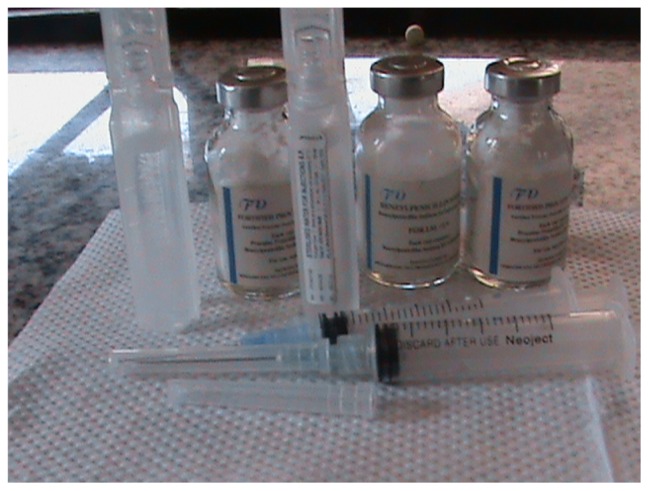
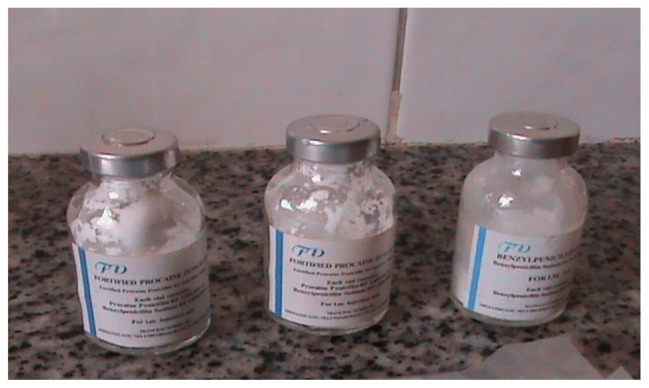
As many as 40% of trained ADDO dispensers no longer worked at the ADDO shops, so some of the shops employed untrained staff. A larger proportion of ADDOs than DLDBs dispensed antibiotics without prescriptions (P = 0.004). The overall results indicate that there was no difference between the two types of shops in terms of adhering to regulations for dispensing antibiotics. However, in some circumstances, eg, antibiotic sale without prescription and no referral made, for complicated cases, ADDOs performed worse than DLDBs. As many as 30% of DLDBs and 35% of ADDOs dispensed incomplete doses of antibiotics. In both ADDOs and DLDBs, fortified procaine penicillin powder was dispensed as topical application for injuries.
There was no statistical difference between ADDOs and DLDBs in the violation of dispensing practice and both ADDOs and DLDBs expressed poor knowledge of the basic pharmacology of antibiotics.
坦桑尼亚经认证的药品零售点(ADDOs)提供药学服务的情况尚无报道。本研究比较了坦桑尼亚ADDOs与二级商店(即dukala dawa baridi,DLDBs)之间的抗生素配药实践。
这是一项在ADDOs和DLDBs中开展的横断面研究。采用模拟客户法收集数据,将位于姆沃梅罗、基洛姆贝罗和莫罗戈罗农村地区的85家ADDOs与位于基巴哈区的60家DLDBs进行比较。研究助手扮作模拟客户,在陈述病例或疾病状况后,要求从ADDOs和DLDBs购买抗生素。所呈现的疾病中既有需要使用抗生素的,也有通常仅通过口服补液盐或镇痛药治疗的。模拟客户想了解商店里有哪些抗生素。所提出的问题为药剂师直接配发抗生素、要求开具处方或将患者转诊至医疗机构提供了令人信服的依据。采用比例来总结ADDOs和DLDBs之间的分类变量,并使用卡方检验来检验两种药店类型在抗生素配药实践方面的统计学差异。
多达40%经过培训的ADDO药剂师不再在ADDO商店工作,因此一些商店雇佣了未经培训的员工。与DLDBs相比,有更大比例的ADDOs在没有处方的情况下配发抗生素(P = 0.004)。总体结果表明,在遵守抗生素配药规定方面,两种类型的商店之间没有差异。然而,在某些情况下,例如无处方销售抗生素且对于复杂病例未进行转诊时,ADDOs的表现比DLDBs更差。多达30%的DLDBs和35%的ADDOs配发了不完整剂量的抗生素。在ADDOs和DLDBs中,均将强化普鲁卡因青霉素粉作为伤口的局部用药进行配发。
在违反配药实践方面,ADDOs和DLDBs之间没有统计学差异,并且ADDOs和DLDBs对抗生素基本药理学的了解均较差。