Department of Experimental and Clinical Medicine, University Magna Graecia, Catanzaro, Italy.
PLoS One. 2013;8(2):e55362. doi: 10.1371/journal.pone.0055362. Epub 2013 Feb 7.
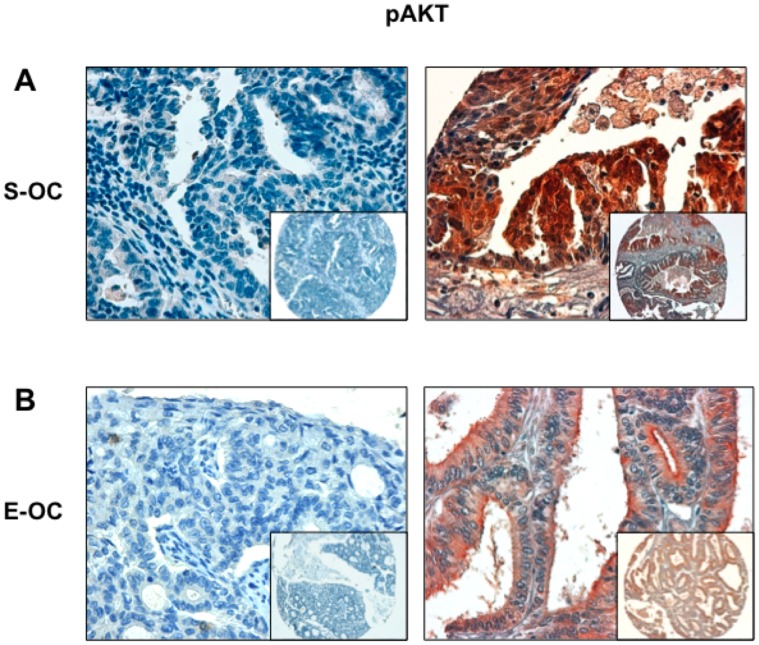
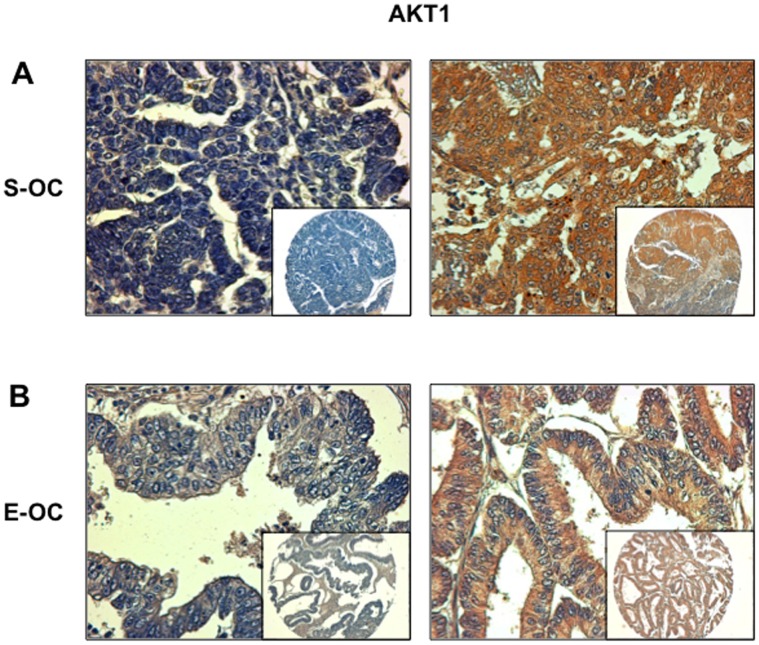
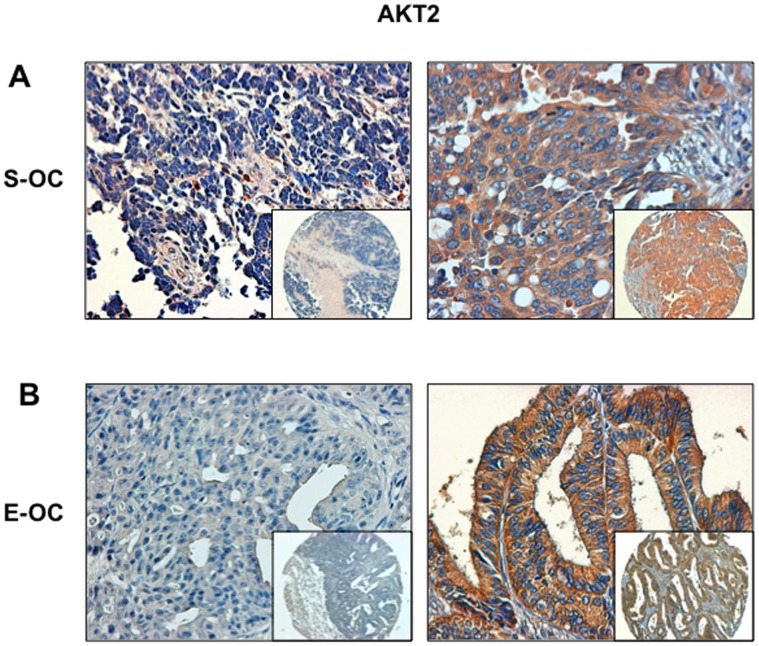
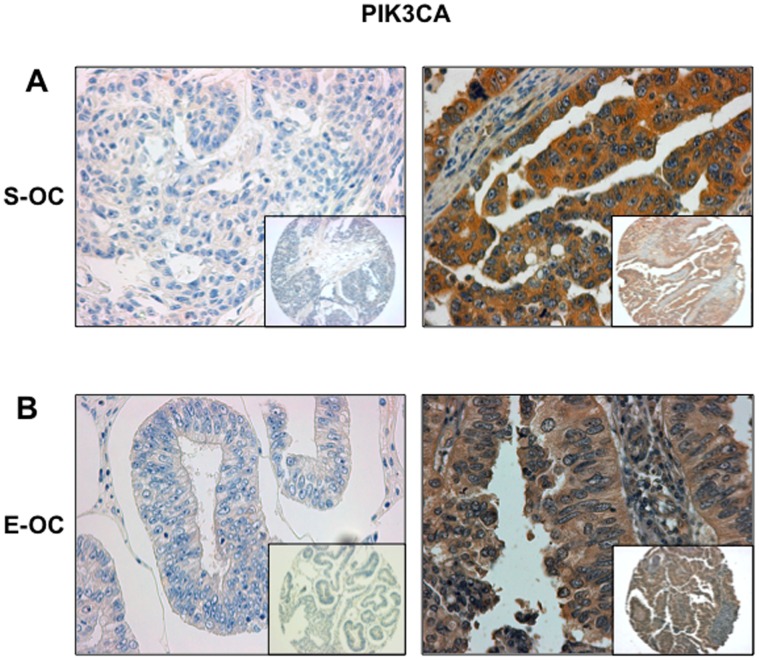
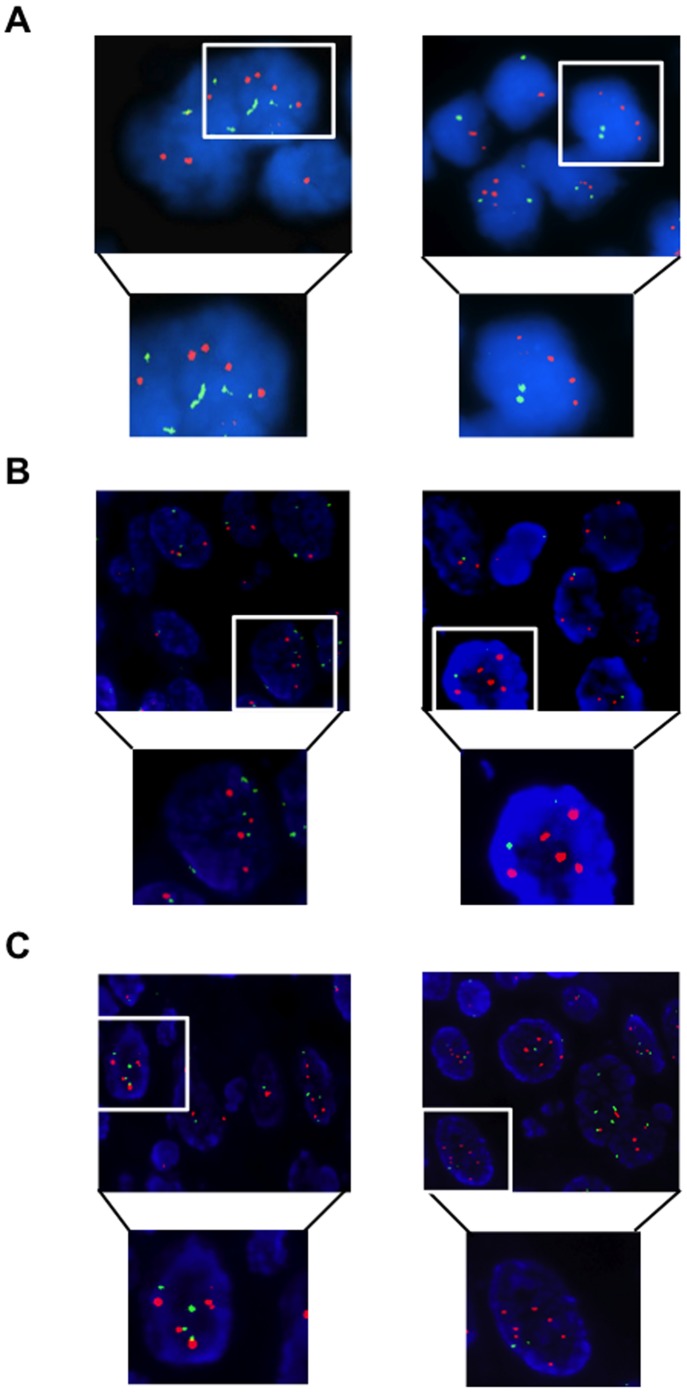
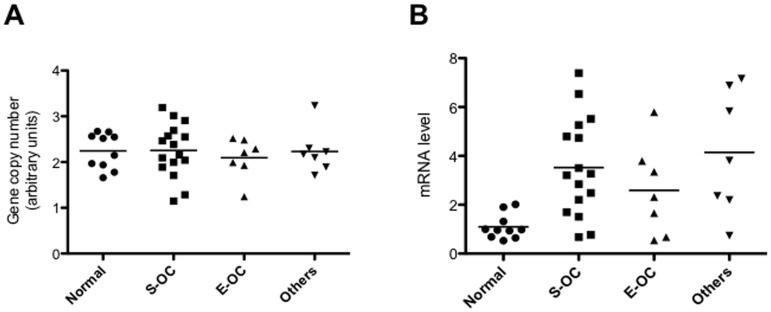
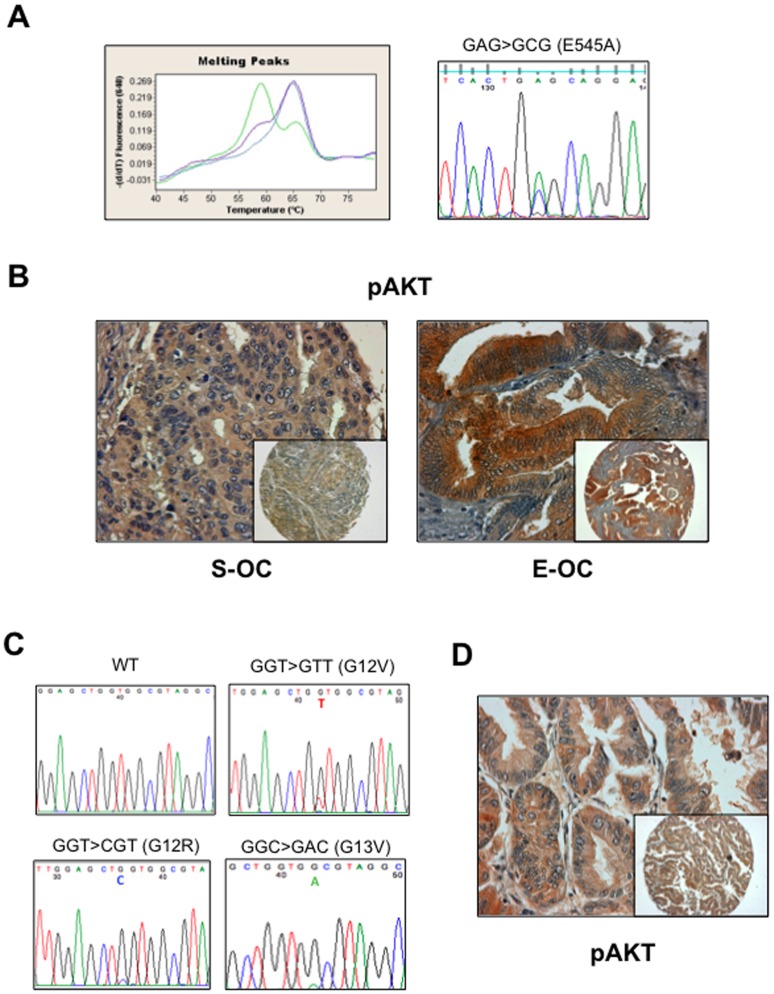
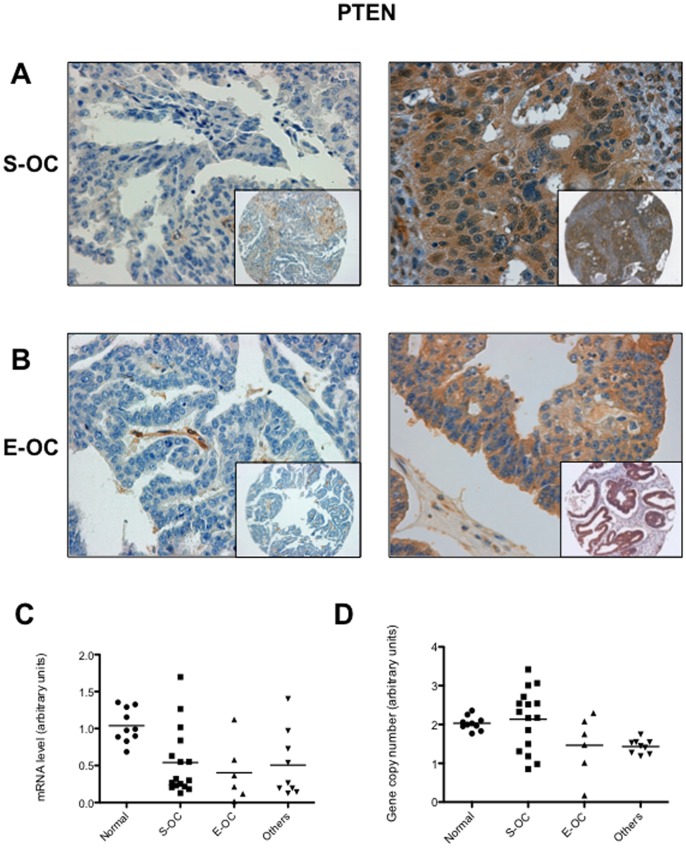
The phosphatidylinositol 3-kinase (PI3K)/AKT pathway is activated in multiple cancers including ovarian carcinoma (OC). However, the relative contribution of the single components within the PI3K pathway to AKT activation in OC is still unclear. We examined 98 tumor samples from Italian OC patients for alterations in the members of the PI3K pathway. We report that AKT is significantly hyperactive in OC compared to normal tissue (n = 93; p<0.0001) and that AKT activation is preferentially observed in the elderly (>58 years old; n = 93; p<0.05). The most frequent alteration is the overexpression of the p110α catalytic subunit of PI3K (63/93, ∼68%); less frequent alterations comprise the loss of PTEN (24/89, 27%) and the overexpression of AKT1 (18/96, 19%) or AKT2 (11/88,12.5%). Mutations in the PIK3CA or KRAS genes were detected at lower frequency (12% and 10%, respectively) whereas mutations in AKT1 or AKT2 genes were absent. Although many tumors presented a single lesion (28/93, of which 23 overexpressed PIK3CA, 1 overexpressed AKT and 4 had lost PTEN), many OC (35/93) presented multiple alterations within the PI3K pathway. Apparently, aberrant PI3K signalling was mediated by activation of the canonical downstream AKT-dependent mTOR/S6K1/4EBP1 pathway and by regulation of expression of oncogenic transcription factors that include HMGA1, JUN-B, FOS and MYC but not by AKT-independent activation of SGK3. FISH analysis indicated that gene amplification of PIK3CA, AKT1 and AKT2 (but not of PI3KR1) and the loss of PTEN are common and may account for changes in the expression of the corresponding proteins. In conclusion, our results indicate that p110α overexpression represents the most frequent alteration within the PI3K/AKT pathway in OC. However, p110α overexpression may not be sufficient to activate AKT signalling and drive ovarian tumorigenesis since many tumors overexpressing PI3K presented at least one additional alteration.
磷脂酰肌醇 3-激酶 (PI3K)/AKT 通路在多种癌症中被激活,包括卵巢癌 (OC)。然而,PI3K 通路中的单个成分对 OC 中 AKT 激活的相对贡献仍不清楚。我们检查了 98 名意大利 OC 患者的肿瘤样本,以研究 PI3K 通路成员的改变。我们报告说,与正常组织相比 (n = 93;p < 0.0001),AKT 在 OC 中明显过度活跃,并且 AKT 激活在老年人 (>58 岁;n = 93;p < 0.05)中优先观察到。最常见的改变是 PI3K 的 p110α 催化亚基的过度表达 (63/93,约 68%);较少见的改变包括 PTEN 的缺失 (24/89,27%)以及 AKT1 (18/96,19%)或 AKT2 (11/88,12.5%)的过度表达。PIK3CA 或 KRAS 基因的突变频率较低 (分别为 12%和 10%),而 AKT1 或 AKT2 基因的突变则不存在。尽管许多肿瘤仅存在单一病变 (93 例中的 28 例,其中 23 例过度表达 PIK3CA,1 例过度表达 AKT,4 例缺失 PTEN),但许多 OC (93 例中的 35 例)存在 PI3K 通路中的多种改变。显然,异常的 PI3K 信号是通过激活经典的下游 AKT 依赖性 mTOR/S6K1/4EBP1 途径和调节包括 HMGA1、JUN-B、FOS 和 MYC 在内的致癌转录因子的表达来介导的,但不是通过 AKT 独立激活 SGK3 来调节的。FISH 分析表明,PIK3CA、AKT1 和 AKT2 的基因扩增 (但不是 PI3KR1 的基因扩增)和 PTEN 的缺失是常见的,可能导致相应蛋白表达的改变。总之,我们的结果表明,在 OC 中,PI3K/AKT 通路中最常见的改变是 p110α 过度表达。然而,由于许多过度表达 PI3K 的肿瘤至少存在另一种改变,因此 p110α 的过度表达可能不足以激活 AKT 信号并驱动卵巢肿瘤发生。