Department of Neuroscience and Brain Technologies, Istituto Italiano di Tecnologia, Via Morego 30, 16163 Genoa, Italy.
Nat Commun. 2013;4:1512. doi: 10.1038/ncomms2515.
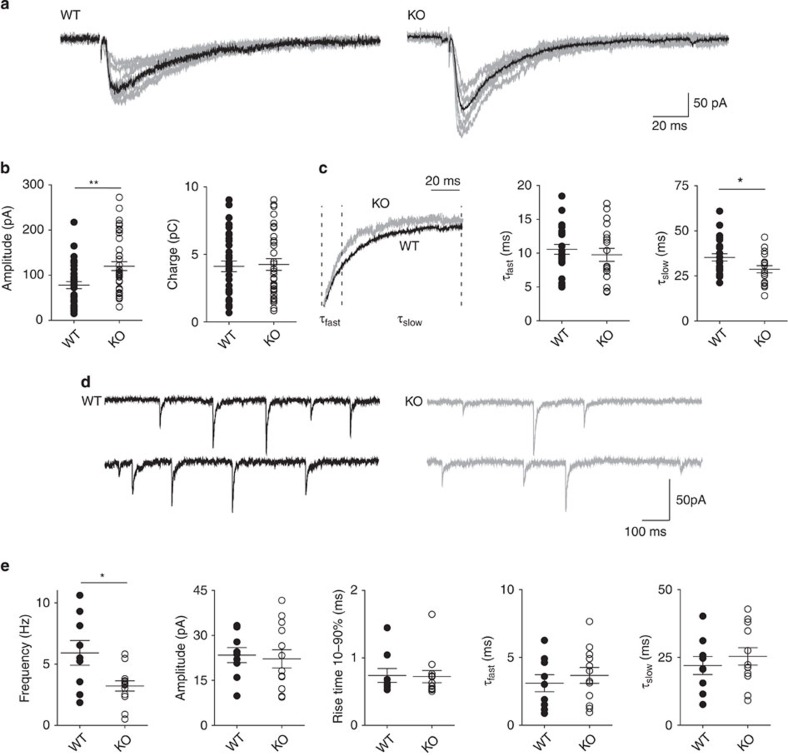
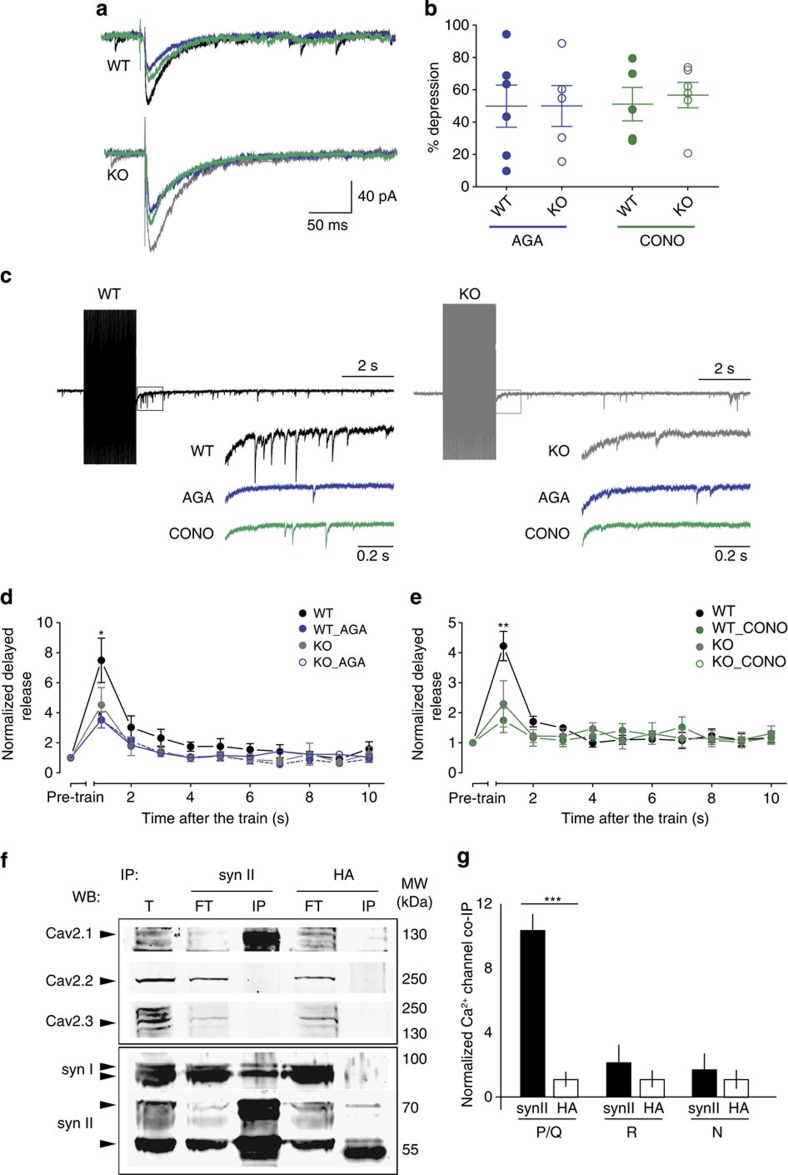
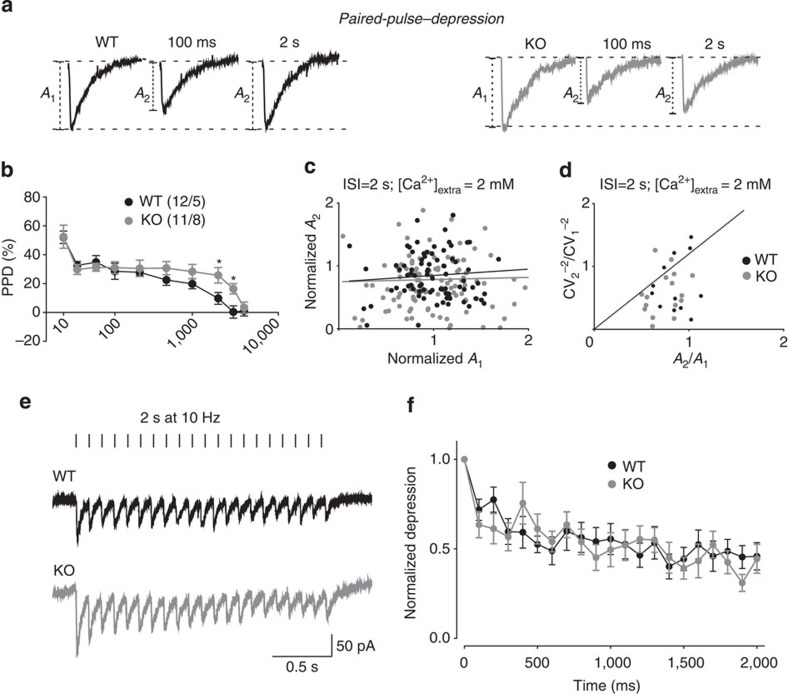
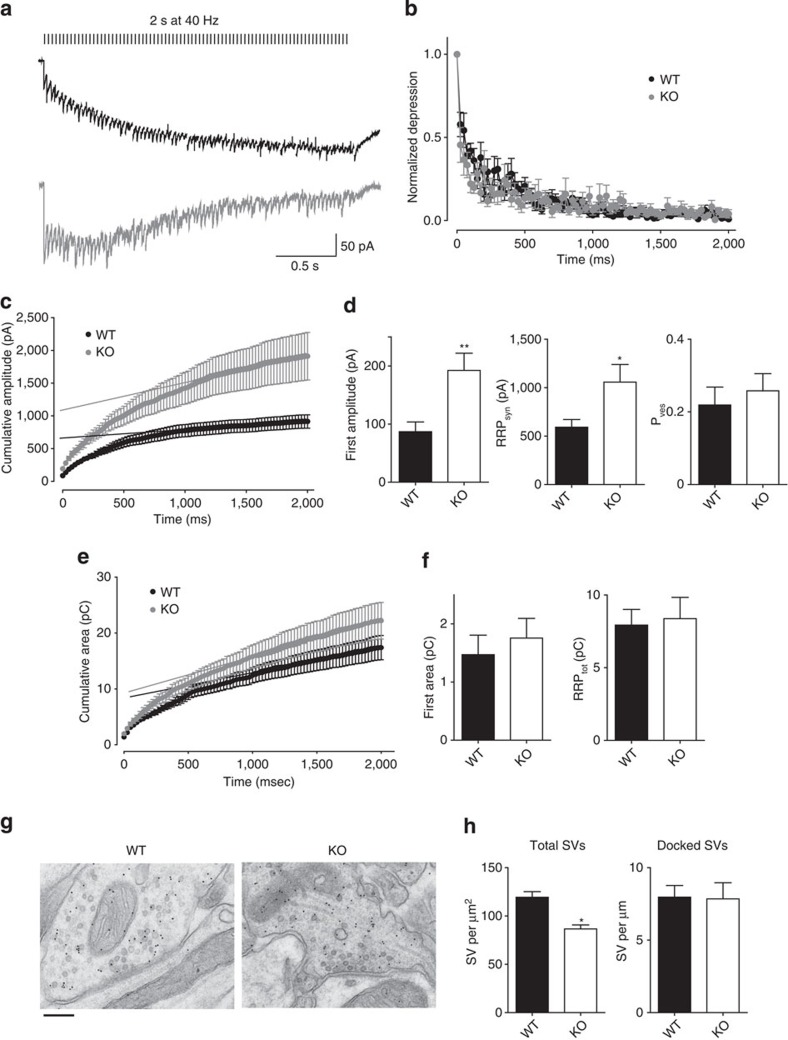
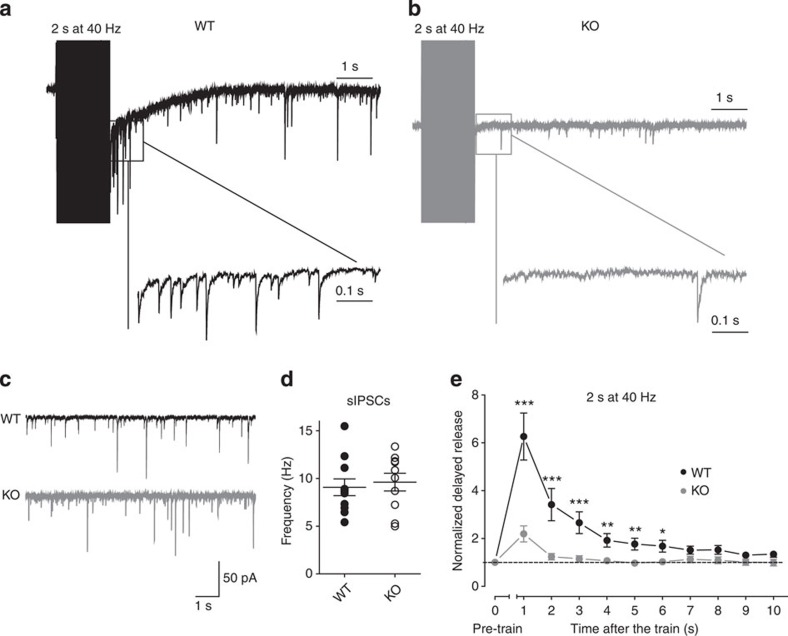
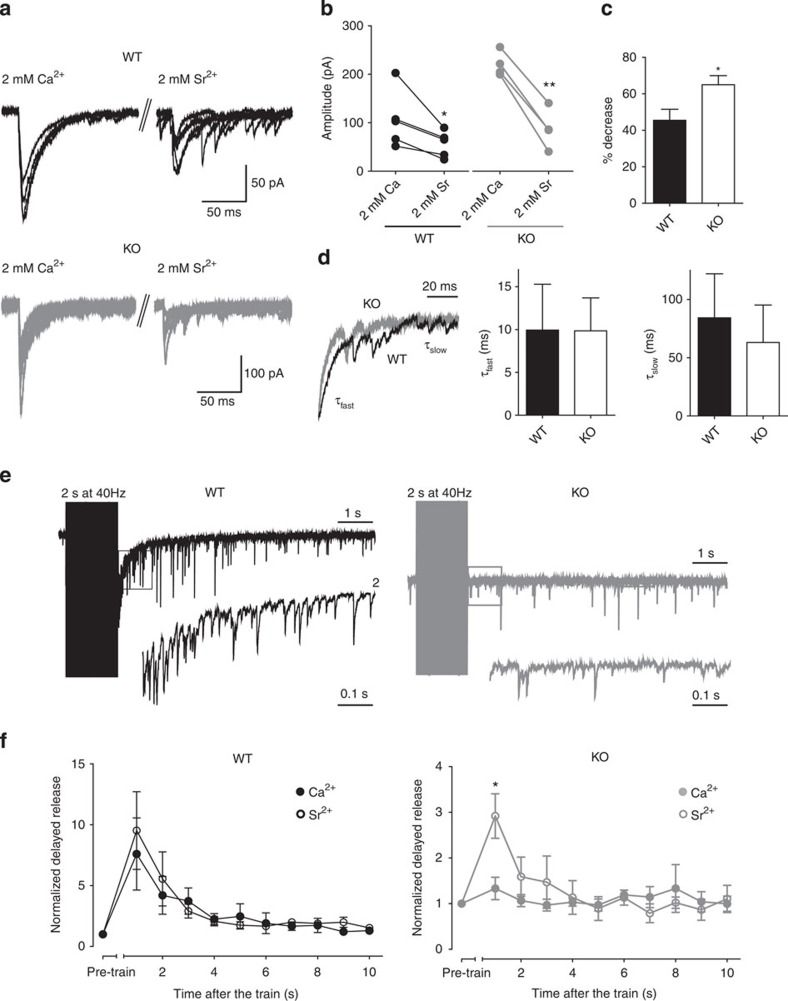
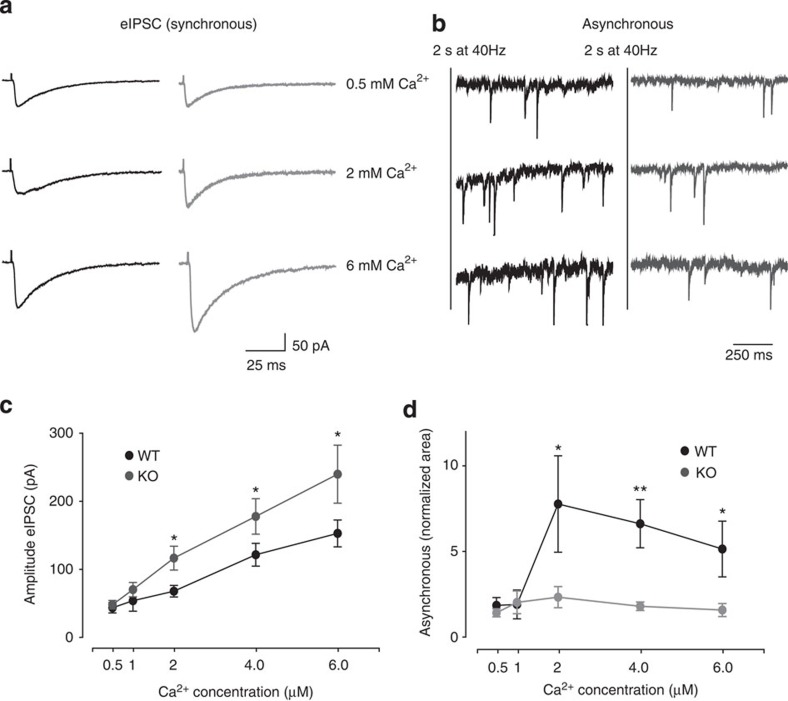
In the central nervous system, most synapses show a fast mode of neurotransmitter release known as synchronous release followed by a phase of asynchronous release, which extends over tens of milliseconds to seconds. Synapsin II (SYN2) is a member of the multigene synapsin family (SYN1/2/3) of synaptic vesicle phosphoproteins that modulate synaptic transmission and plasticity, and are mutated in epileptic patients. Here we report that inhibitory synapses of the dentate gyrus of Syn II knockout mice display an upregulation of synchronous neurotransmitter release and a concomitant loss of delayed asynchronous release. Syn II promotes γ-aminobutyric acid asynchronous release in a Ca(2+)-dependent manner by a functional interaction with presynaptic Ca(2+) channels, revealing a new role in synaptic transmission for synapsins.
在中枢神经系统中,大多数突触表现出一种快速的神经递质释放模式,称为同步释放,随后是异步释放阶段,持续数十毫秒至数秒。突触结合蛋白 II(SYN2)是突触小泡磷酸蛋白多基因突触结合蛋白家族(SYN1/2/3)的成员,调节突触传递和可塑性,并在癫痫患者中发生突变。在这里,我们报告说,SYN II 敲除小鼠的齿状回抑制性突触显示出同步神经递质释放的上调,以及延迟异步释放的丧失。SYN II 通过与突触前 Ca2+ 通道的功能相互作用,以 Ca2+ 依赖性的方式促进γ-氨基丁酸的异步释放,这揭示了突触结合蛋白在突触传递中的一个新作用。